Daily briefing · · 3 min read
Orbit on 29 September 2026: 135 objects are now falling below 250 kilometres, 21 more than yesterday
The catalog moved again after two frozen days, and every one of the 51 objects it added is a working payload. Nothing new joined the debris column.
What changed
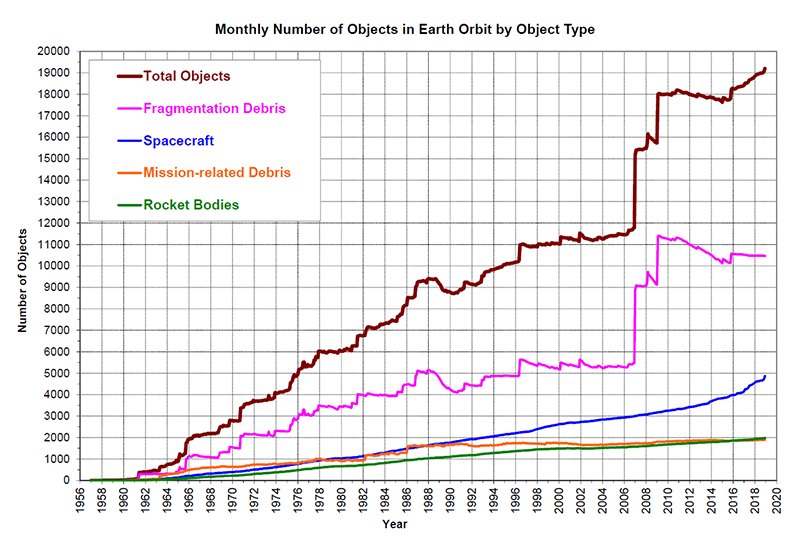
After two days of a frozen headline number, the catalog moved: 33,697 objects on orbit, up 51 from yesterday, of which 19,607 are payloads and 14,090 are debris and spent rocket bodies GCAT. Read those three numbers together and the shape of the day is clear. Payloads rose by 51. Debris and rocket bodies rose by nothing at all, holding at 14,090 for a third consecutive day. Every object the catalog gained today is something someone intends to operate.
That is a catch-up, not a quiet day. The highest catalog number jumped from 100,828 to 100,880, the thirty-day launch total went from 203 to 255, and the twelve Starlinks numbered 100,869 to 100,880 from the 28 September batch are now booked against the list GCAT. Traffic out of orbit moved less: eight decays in the last seven days, 82 in the last thirty, 173 over sixty days of which 49 were Starlinks.
The more interesting movement is downward. The number of catalogued objects with a perigee below 250 kilometres — the band where an orbit has days or weeks rather than years — has gone from 114 to 135 in a single update GCAT. The 200 to 300 kilometre shell gained 30 objects while the 500 to 600 kilometre shell shed 33, and Starlink accounts for most of both: its count below 400 kilometres rose from 1,262 to 1,293 while its 500 to 600 kilometre population fell by 23. That is a constellation walking its retirees down on purpose, and it is the healthiest traffic pattern in the catalog.
Crowding is unchanged and still lopsided: 10,212 objects between 400 and 500 kilometres, 10,028 of them working payloads, against 2,769 between 800 and 900 kilometres of which 2,498 are debris, and 2,655 between 700 and 800 kilometres of which 2,248 are debris GCAT. The busy shell is almost entirely alive and self-clearing. The dead shells are quieter, higher and permanent.
Object of the day: Tianfu Dongpo 01
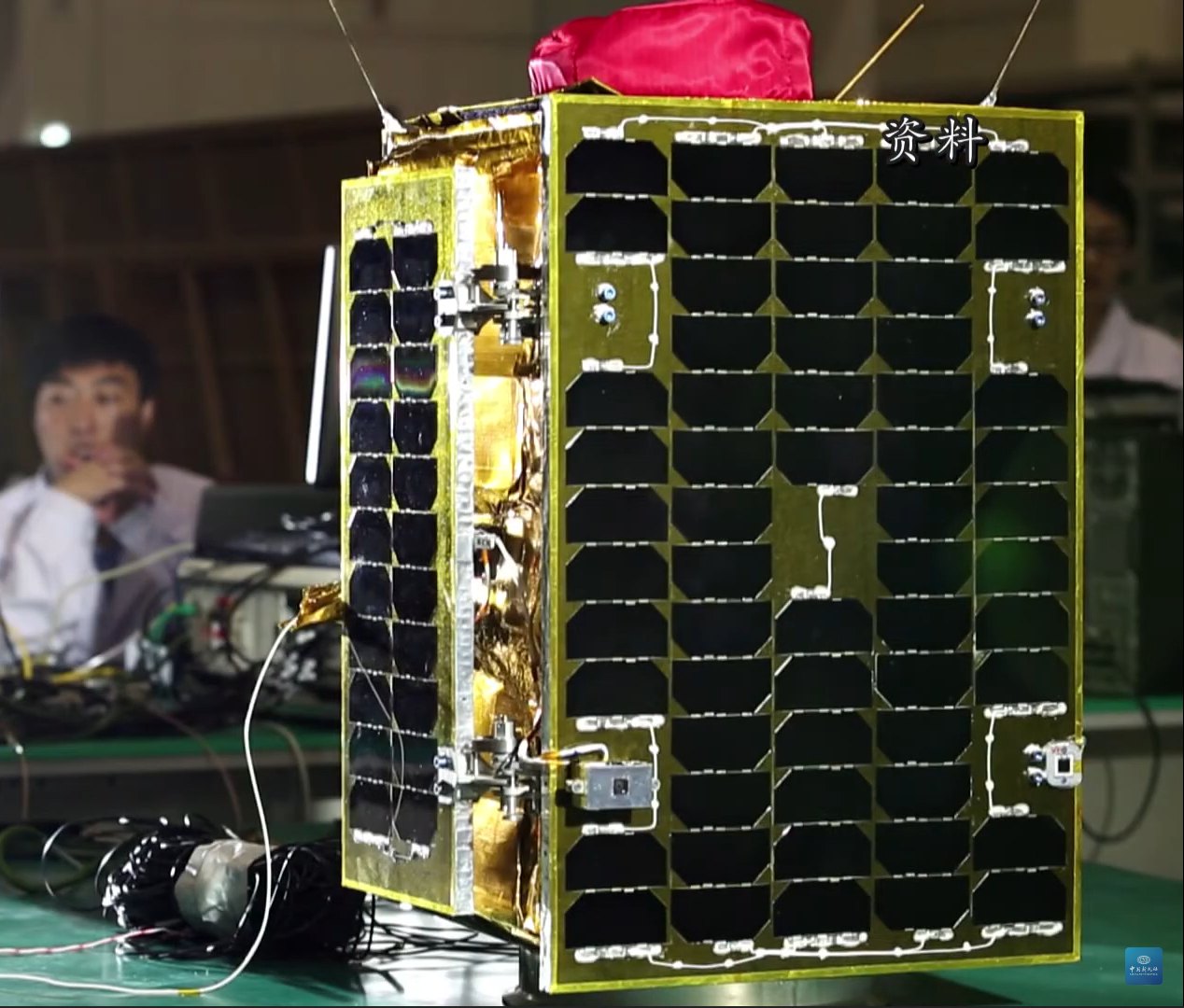
The lowest object in the whole catalog is Tianfu Dongpo 01, a Chinese Earth-observation satellite in a 131 by 148 kilometre orbit on its 27 September element set GCAT. At that altitude the remaining lifetime is measured in days.

It launched on 10 August 2022 from Taiyuan as one of seven Dongpo satellites, each weighing 42 kilograms and built for an eight-year working life, flying remote sensing for smart-city projects in Meishan, Sichuan China News Service. The constellation was developed with Chang Guang Satellite Technology, the Jilin-1 operator, and was described as China's first satellite constellation built around a smart-city theme Chang Guang. It is now four years into those eight, and it is on the way down.
The elements cannot say why, and nothing in the public record settles it. What they do say is that this one ends cleanly: a 42-kilogram satellite at 131 kilometres will be gone shortly and leave nothing behind. Compare the 2,498 dead fragments sitting between 800 and 900 kilometres, part of the roughly 1.5 million objects between 1 and 10 centimetres that ESA's model puts in orbit against more than 17,000 tonnes of material in total ESA DISCOS. The difference between the two cases is altitude, and nothing else.
ClearOrbit's view
Today is the good version of a busy day: 51 new payloads, no new debris, and 21 more objects entering the band where the atmosphere finishes the job. If every day looked like this, the problem would solve itself over decades. It will not, because the population that worries us is the one this day did not touch — the 14,090 objects in the debris and rocket-body columns, flat while everything else moved.
Flat is not good news there. It means nothing was added, and nothing was taken away, because nothing ever has been. The measure of progress is the day that column falls by design rather than by drag, and building the machine that can do that is the work we are organising around.
Reader mail
Have a better idea?Spotted something we got wrong?
We publish in public so the numbers can be checked. If a figure looks wrong, a source is missing, or you know something this piece should have said, send it over. One box, no sign-up.
Send an idea or correctionQuick question
Who should pay for cleaning up orbit?
Anonymous. You will see how others answered after you vote.