Scenarios
Scenarios
Future-looking, hour-by-hour and year-by-year forecasts grounded in real data.
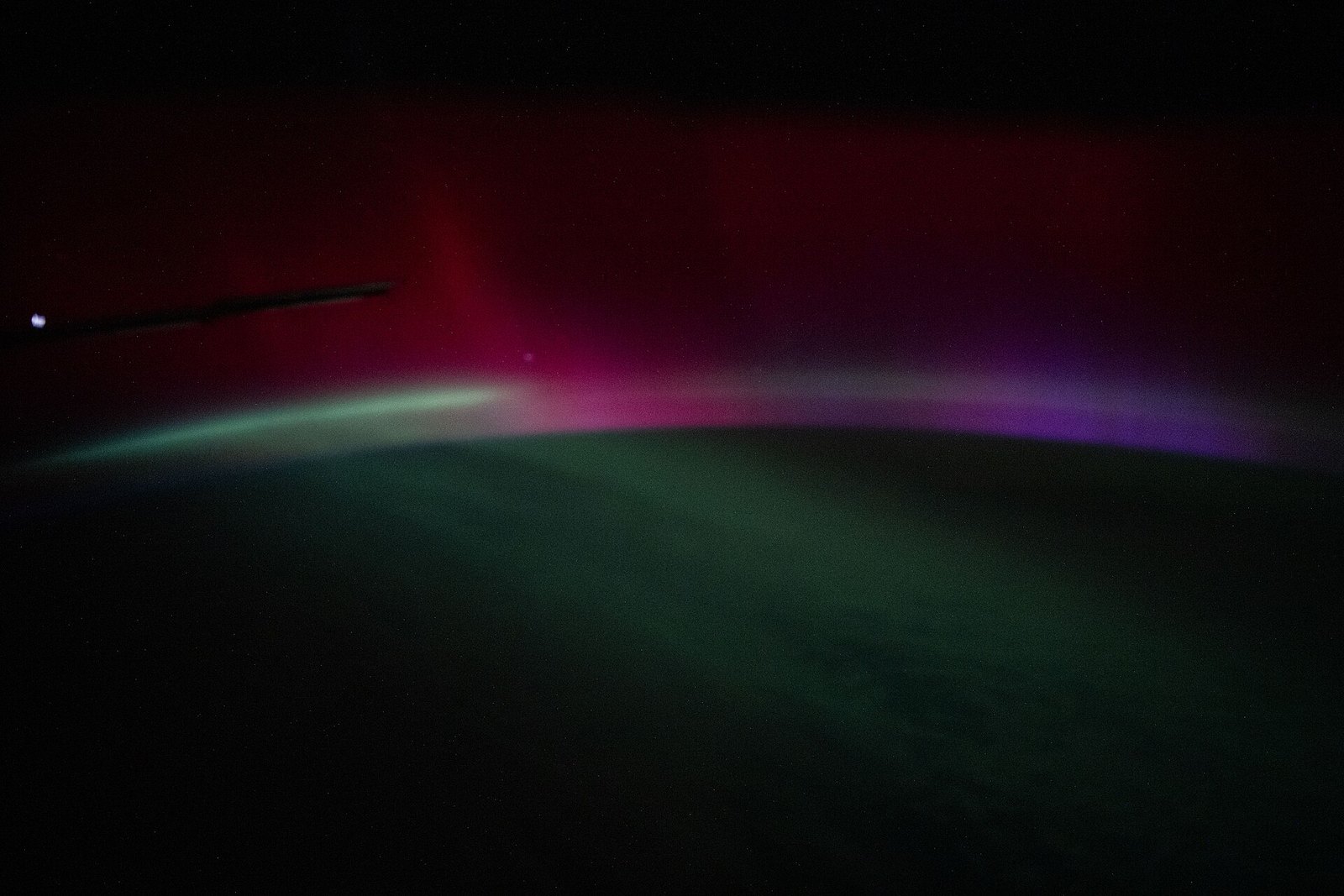
The week the air came up: a severe storm over a crowded shell
In this scenario a severe geomagnetic storm thickens the air at 400 kilometres, thousands of satellites move at once, and for four days nobody can say where anything is.
Going the wrong way: the Yaogan-50 (02) debris
A satellite broke up in a rare 142-degree retrograde orbit in September 2026. Its fragments meet everything else head-on, and they may stay for centuries.
Orbit 2035: with removal
The same operator, the same Tuesday in 2035, but in a world that began removing 5-10 large derelicts a year from 2028 and raised disposal compliance.
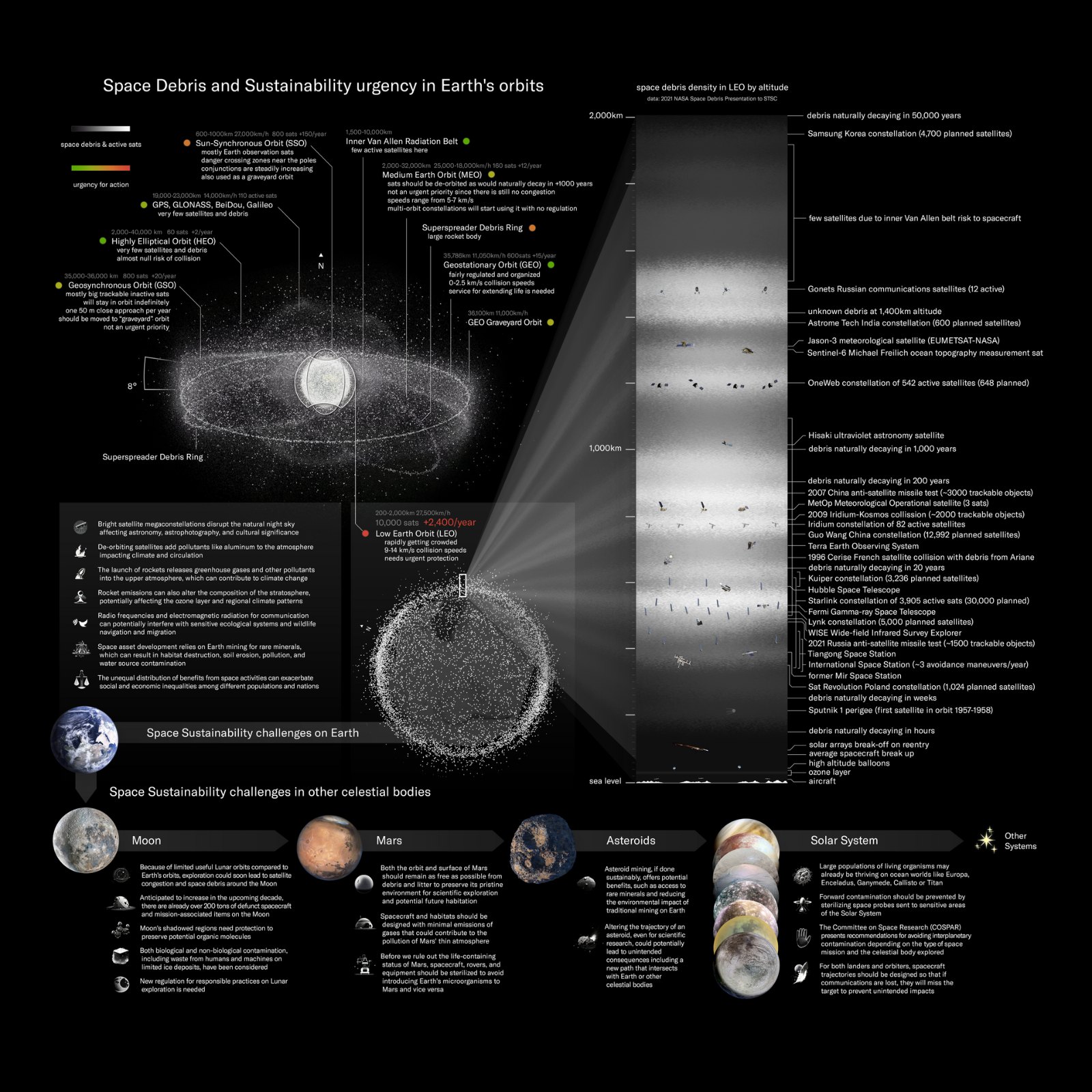
Orbit 2035: business as usual
Extend today's launch rates, compliance gaps and breakup frequency to 2035, then spend one working day with a satellite operator living in the result.
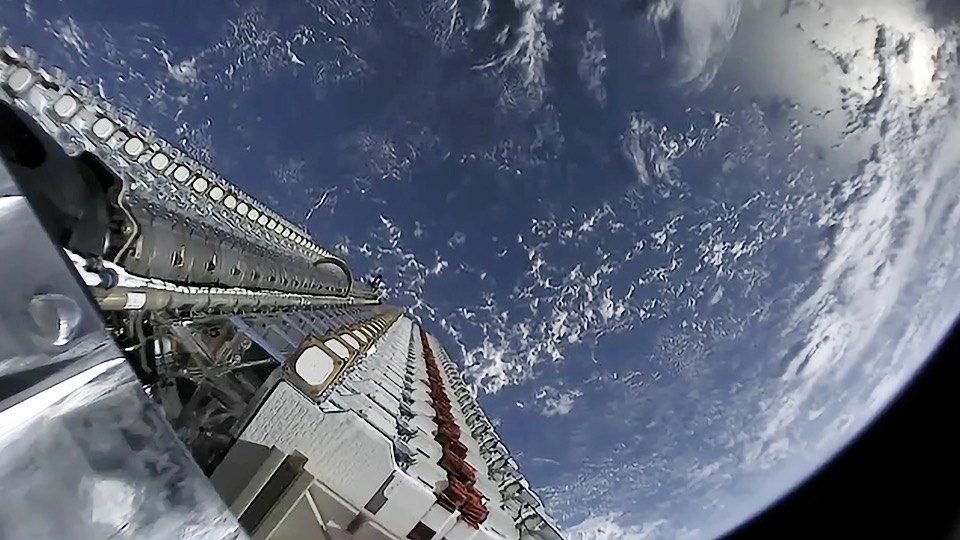
When a whole shell goes dark
A few hundred megaconstellation satellites near 550 km fail at once. Natural decay will clear them within years, but those years are the dangerous part.
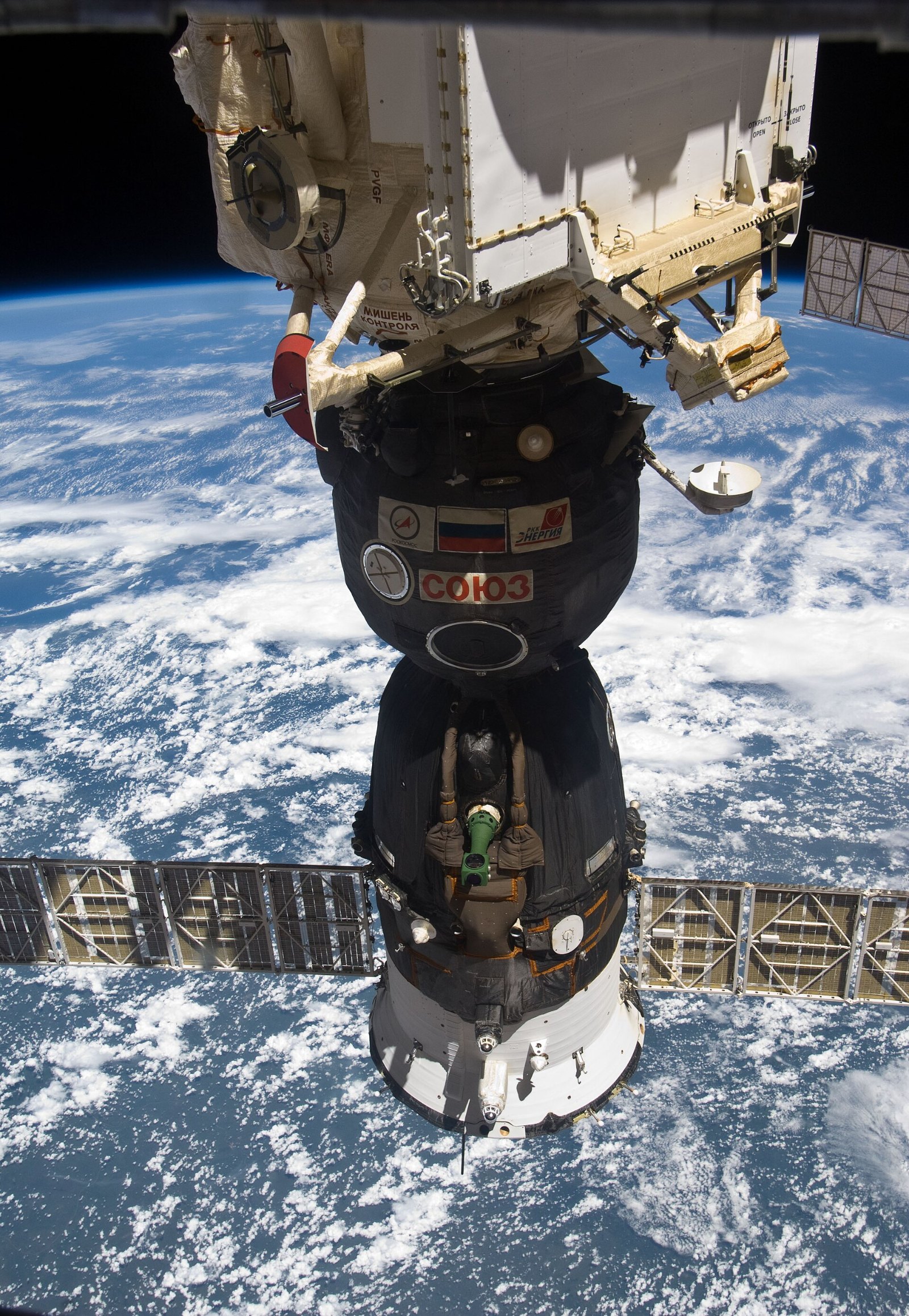
Shelter in place: a crew, a fragment, and ninety minutes
Based on the real 2021 and 2024 shelter events: how a debris warning reaches a space station crew, why it often comes late, and what nudging debris could change.
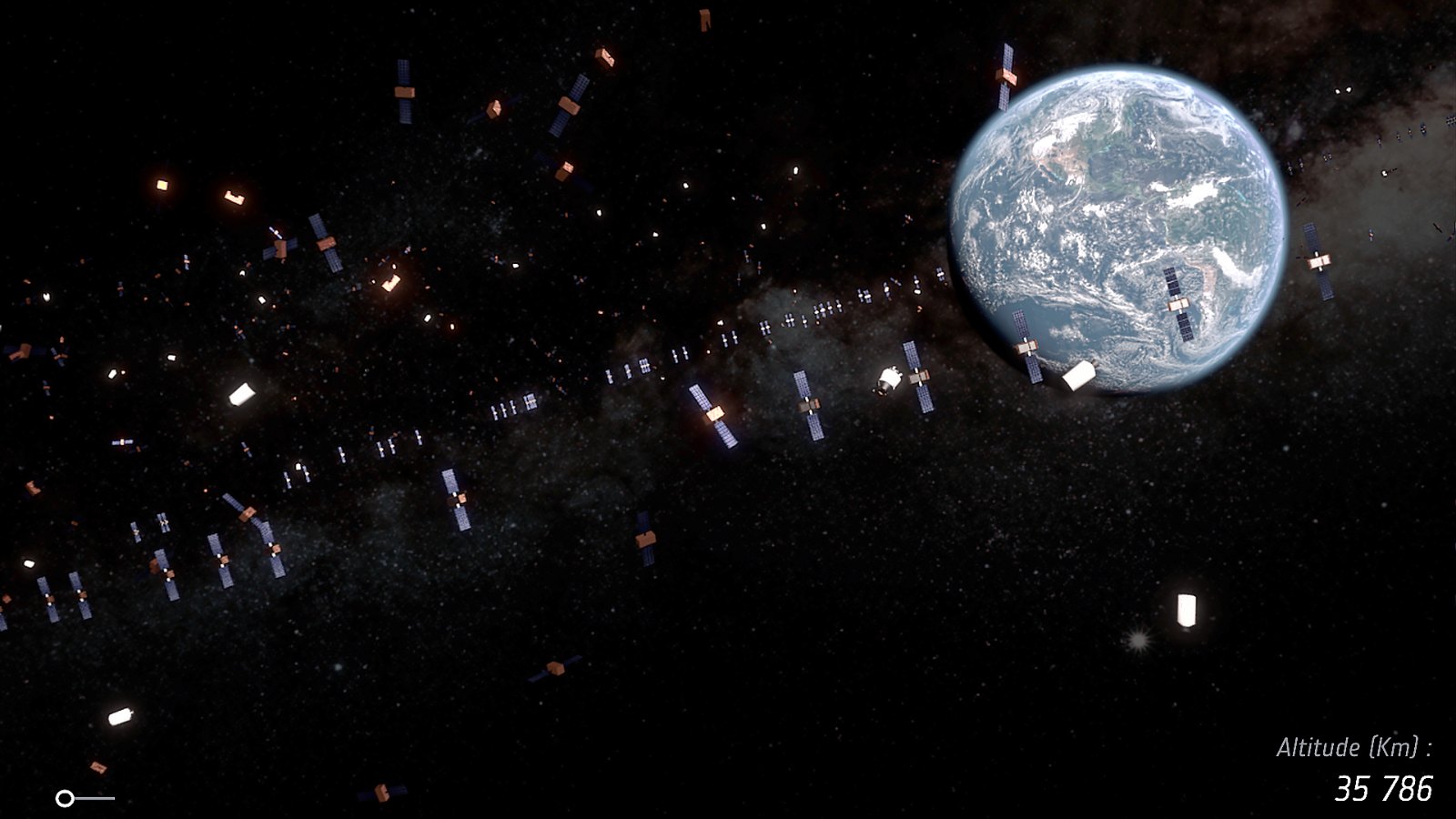
The graveyard that doesn't stay buried
A derelict above the geostationary belt fragments. Nothing up there ever falls back to Earth, and an uninsured satellite below has to live with it.
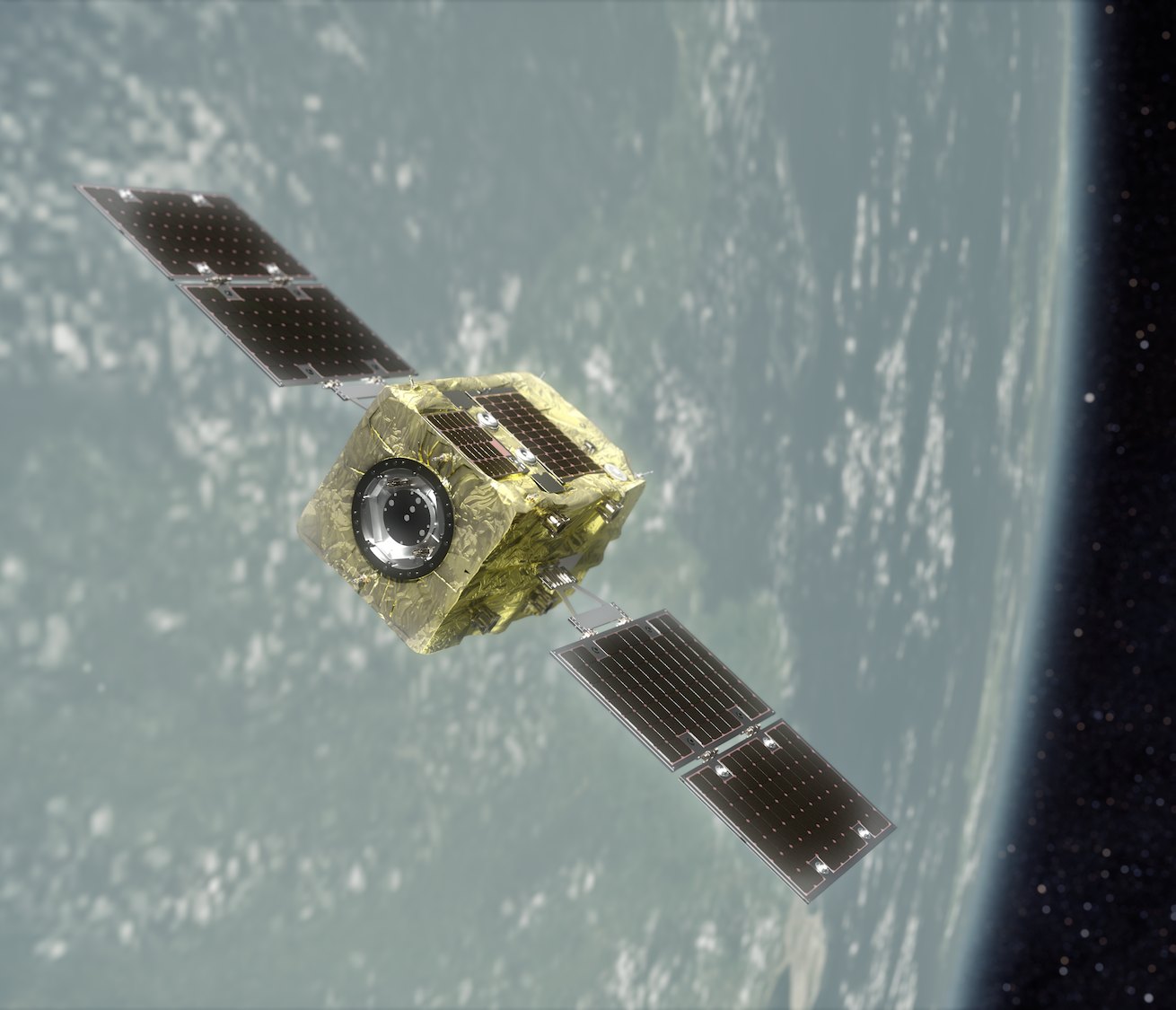
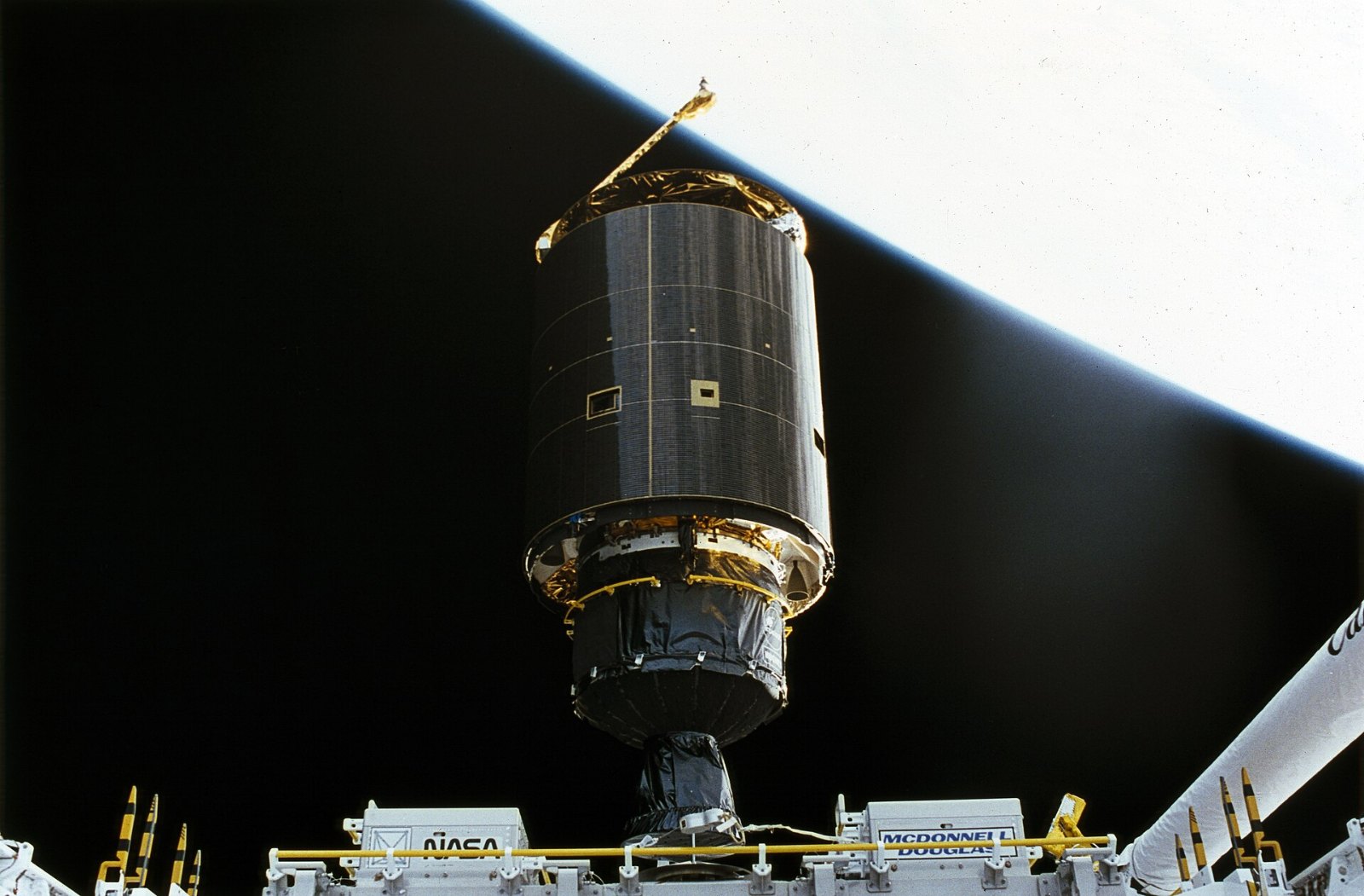
Mission log: the first capture of a real rocket stage
A plausible day-by-day log of the first robotic capture and controlled reentry of a tumbling 3-tonne rocket stage, modelled on missions planned for 2027-2028.

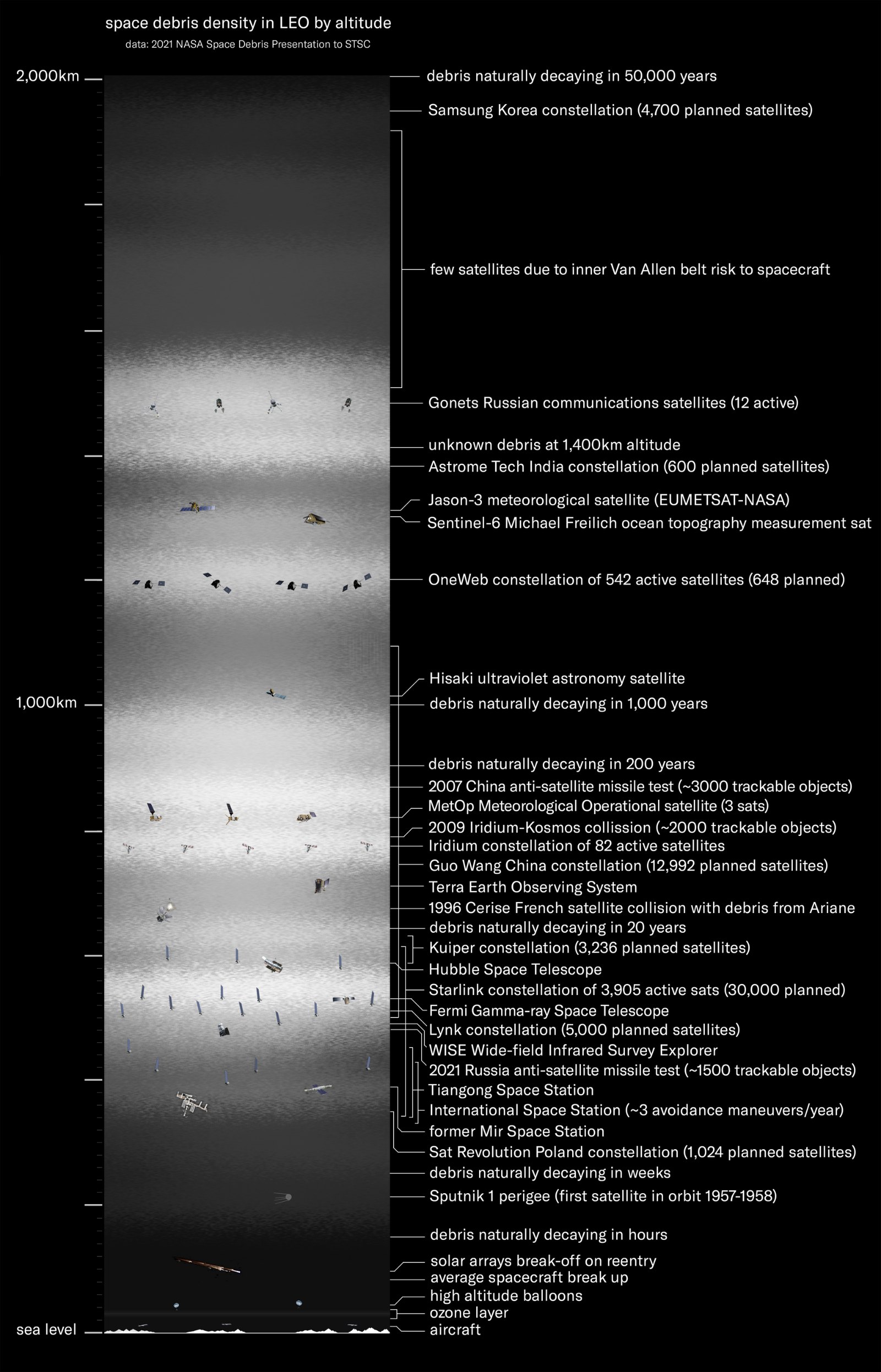
The 850-kilometre cascade
What happens, hour by hour and then century by century, if two nine-tonne Zenit upper stages collide in the most crowded derelict band in low Earth orbit.