Briefings
Briefings
What changed in orbit today, written from the numbers.
Briefings are written every morning from that day's catalog refresh. Each one records the numbers it was written from.
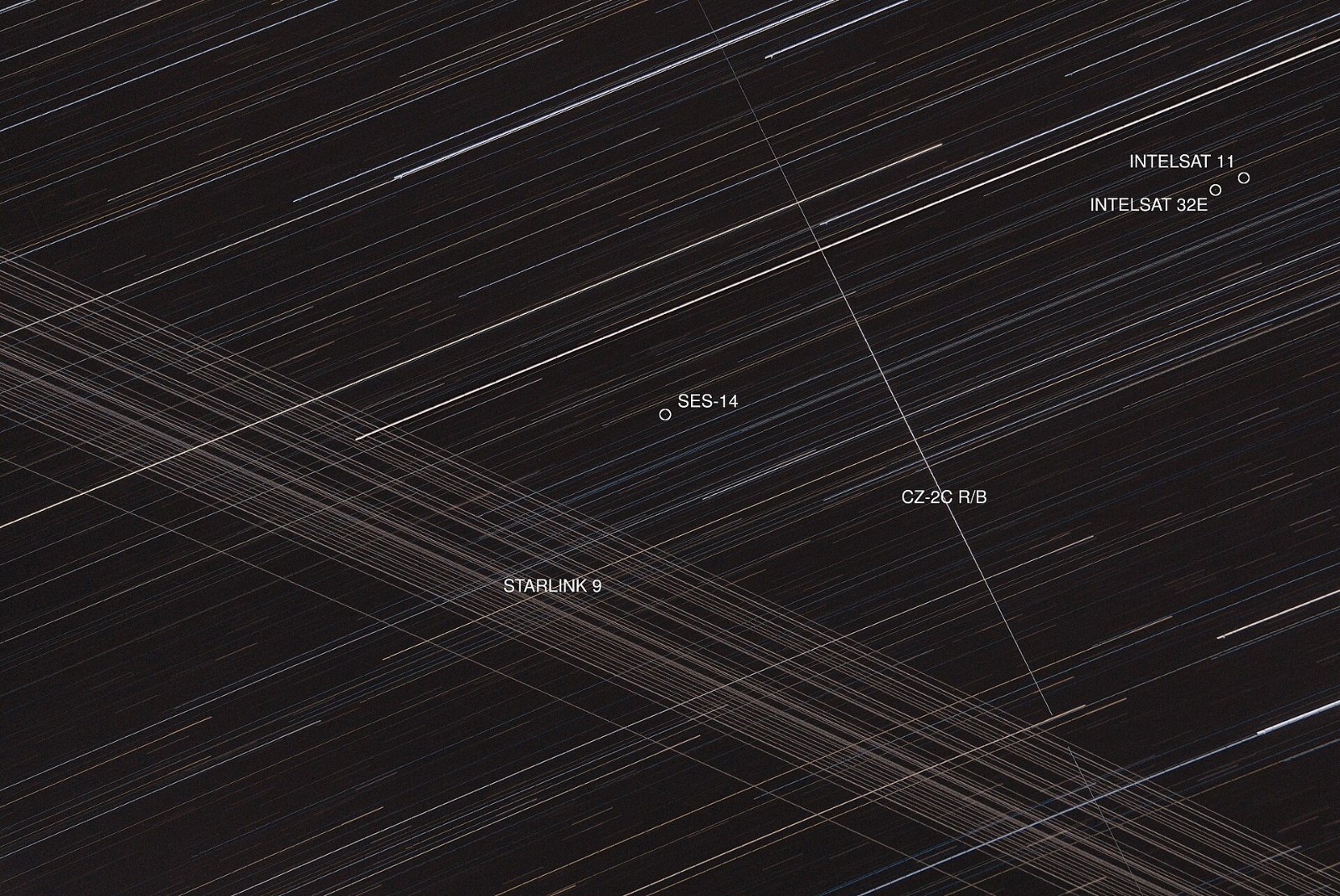
Orbit on 1 October 2026: four days with no reentry, and the thirty-day count fell anyway
The catalog has not gained or lost an object in three days. The only figures that moved today moved backwards, as four old decays slid off the far end of the rolling window.
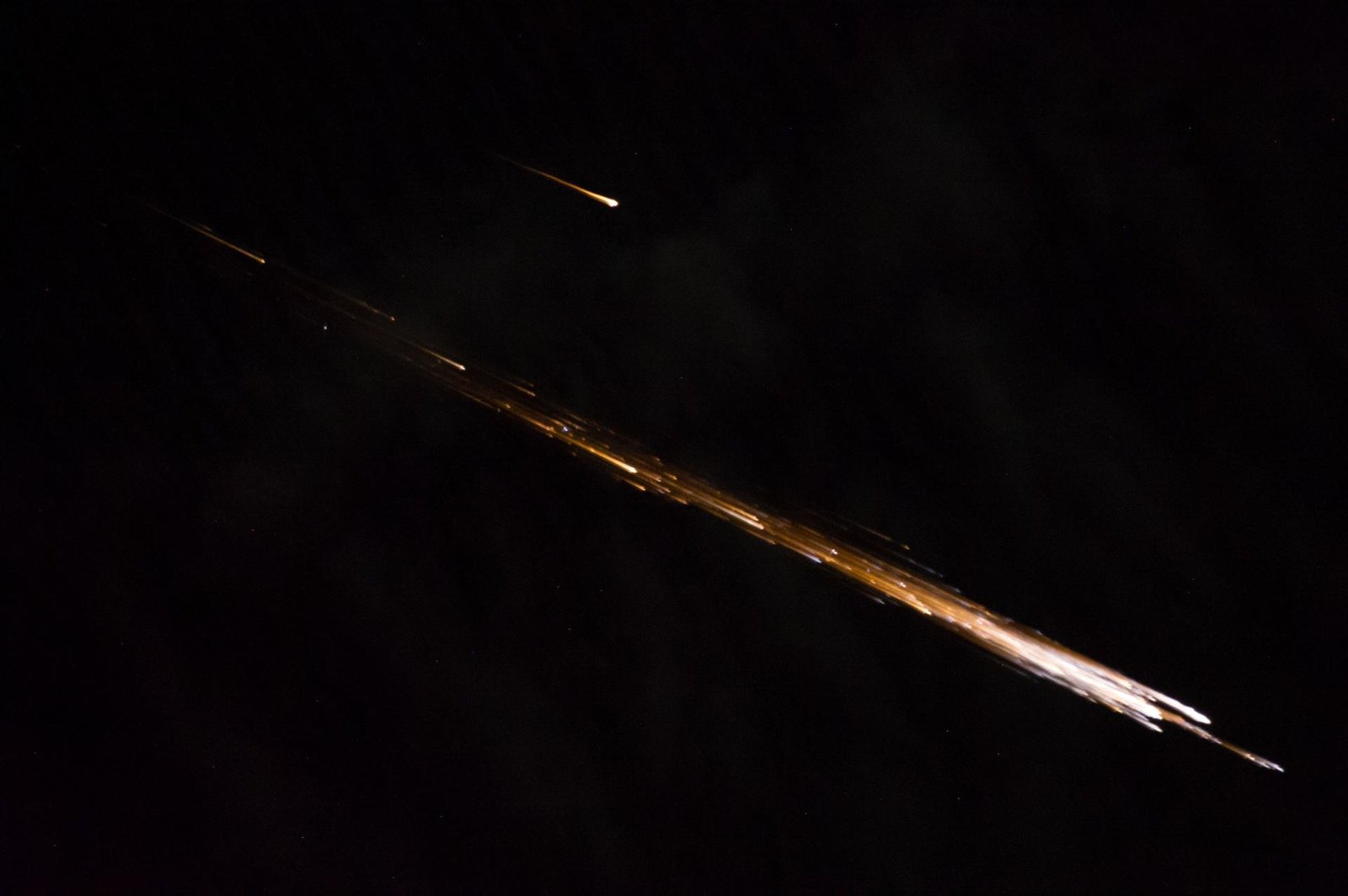
Orbit on 30 September 2026: nothing has come down for three days, and 135 objects are queued below 250 kilometres
Every headline number is identical to yesterday's, and the reentry column has been blank since 27 September. The queue at the bottom of the catalog has not moved either.
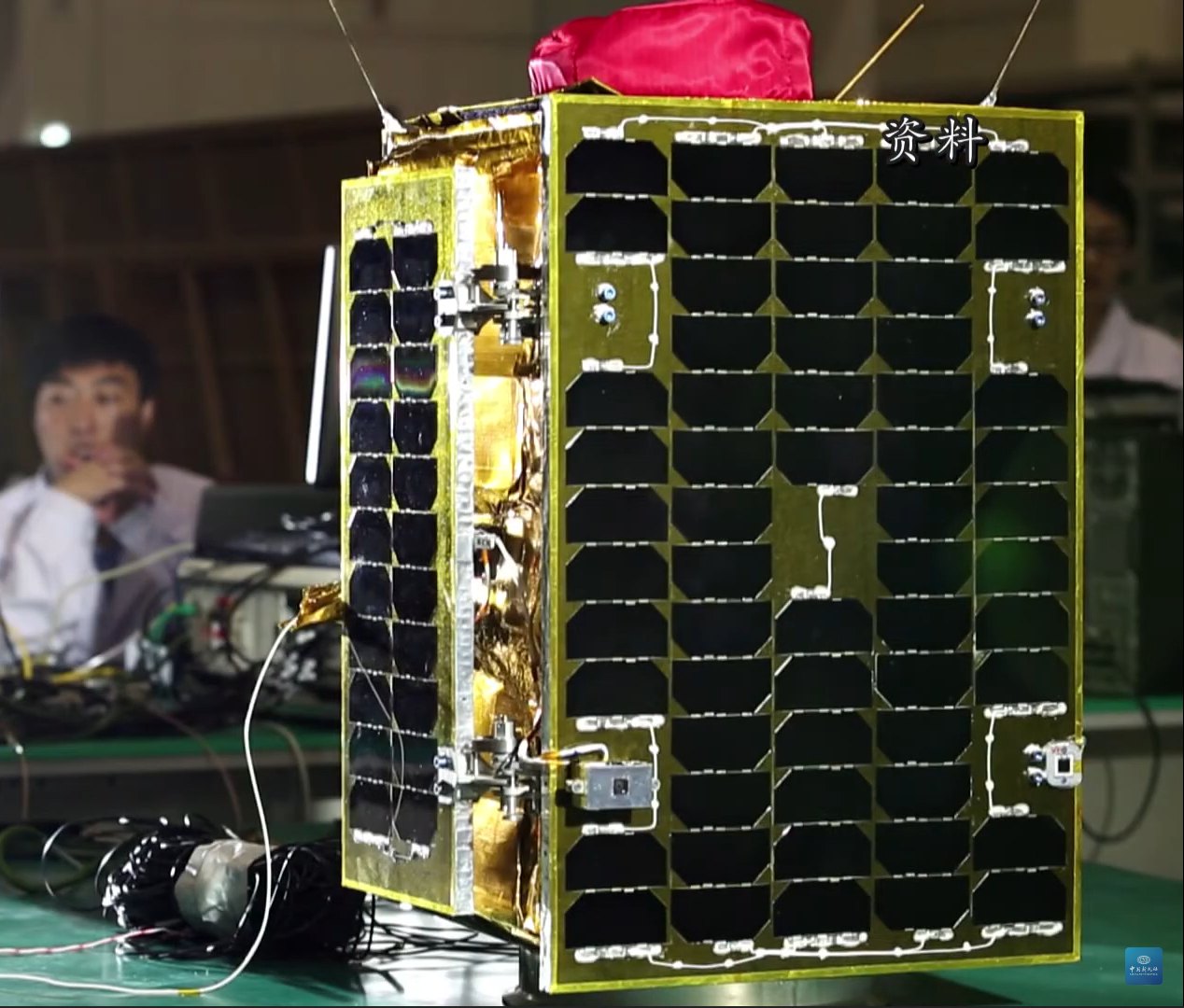
Orbit on 29 September 2026: 135 objects are now falling below 250 kilometres, 21 more than yesterday
The catalog moved again after two frozen days, and every one of the 51 objects it added is a working payload. Nothing new joined the debris column.
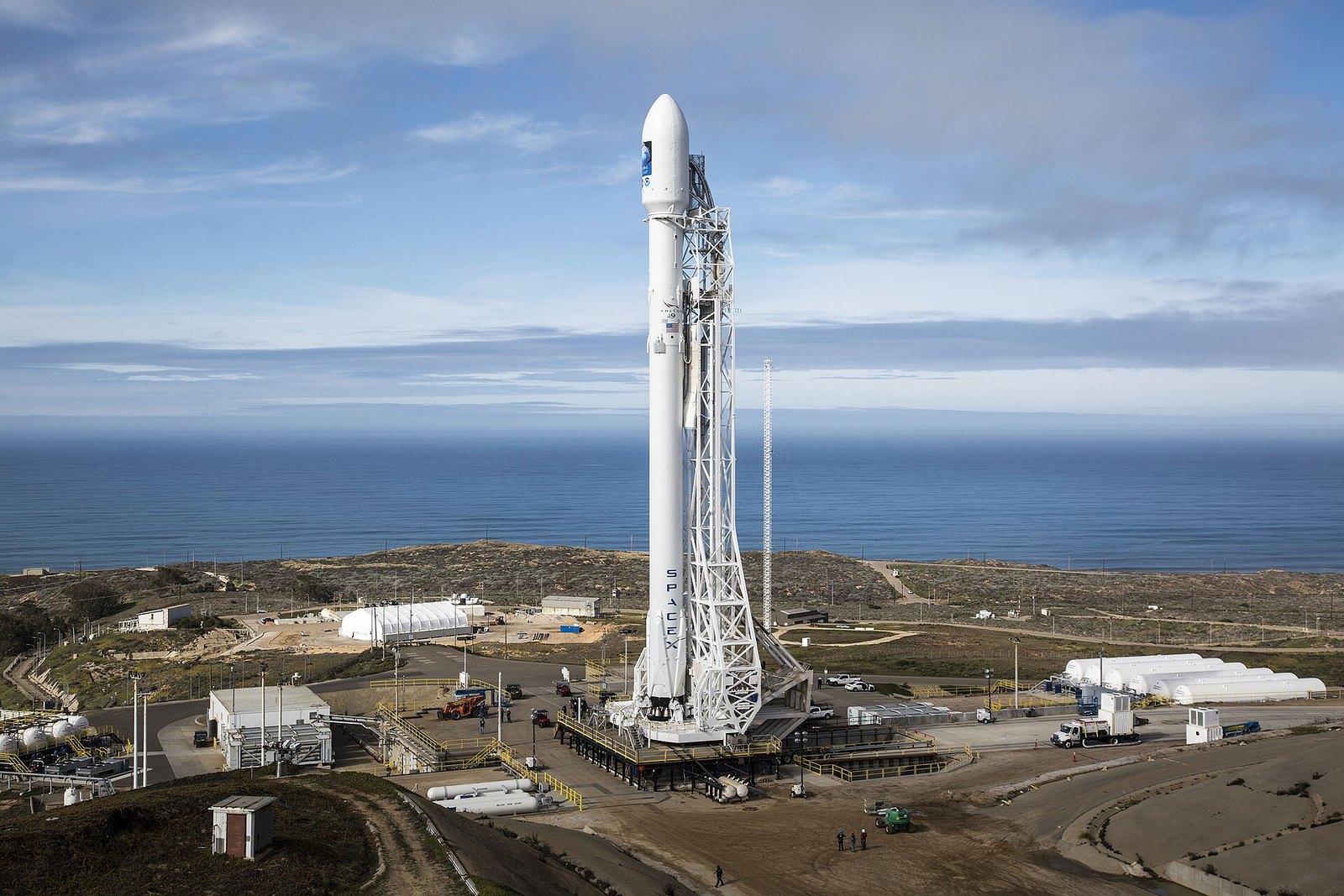
Orbit on 28 September 2026: EagleEye is 360 kilometres below the orbit it was launched into
The catalog did not move overnight. The reentry window emptied, and a 50-kilogram Polish satellite is now the lowest working-class payload on the list.
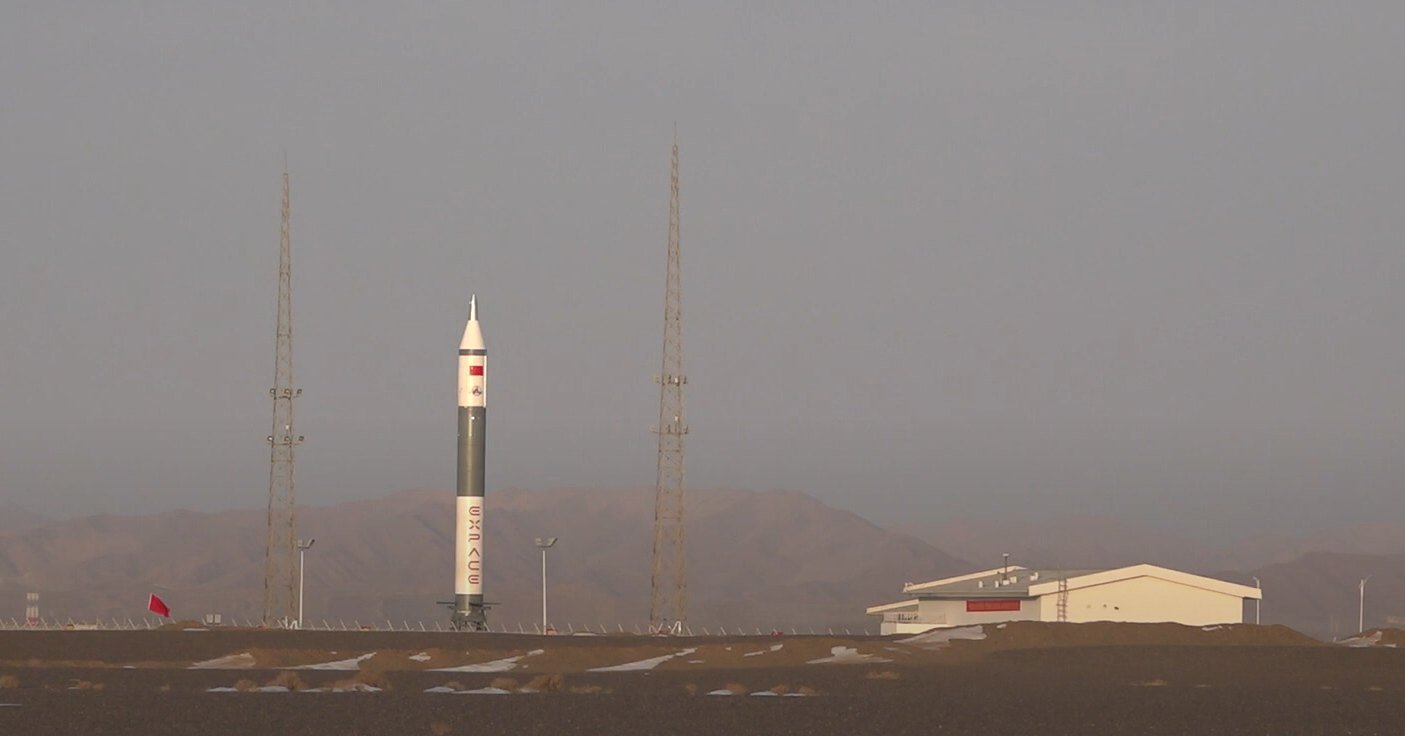
Orbit on 27 September 2026: the lowest object in the catalog also reaches 1,823 kilometres
The catalog has not moved since its 24 September stamp. The movement is in the element sets, where a ten-day-old Chinese third stage now holds the lowest perigee on file at 133 kilometres.
Orbit on 26 September 2026: 1,262 Starlinks below 400 kilometres, and one of them at 173
33,646 objects on orbit, identical to the last refresh. The movement is inside one constellation, where 1,262 satellites already sit in air thick enough to finish them.
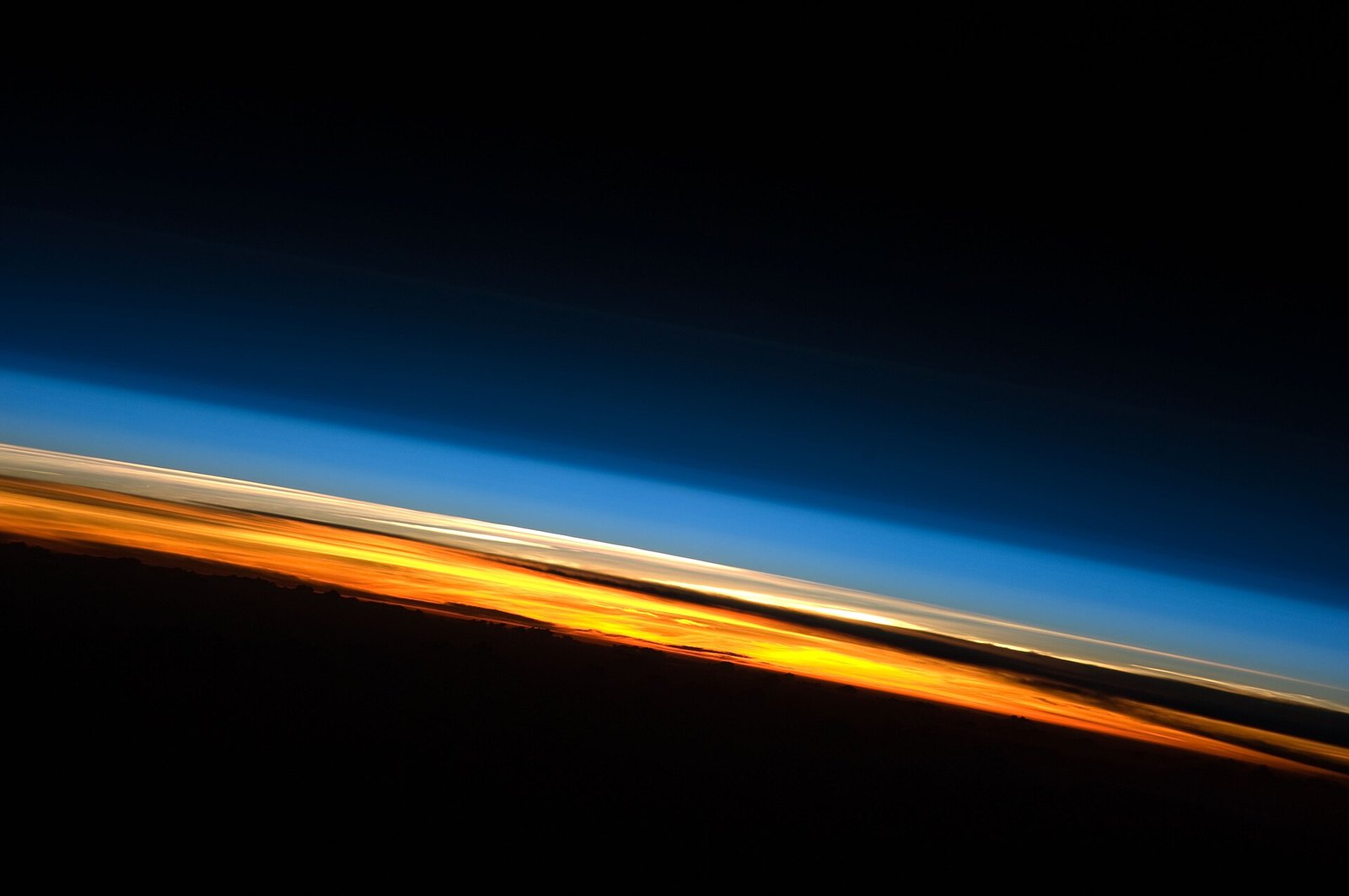
Orbit on 25 September 2026: nineteen decays booked in a week, after a column that had read zero
33,646 objects on orbit, a net gain of three. Underneath it, payloads fell by 13, spent hardware rose by 16, and the reentry ledger finally caught up.
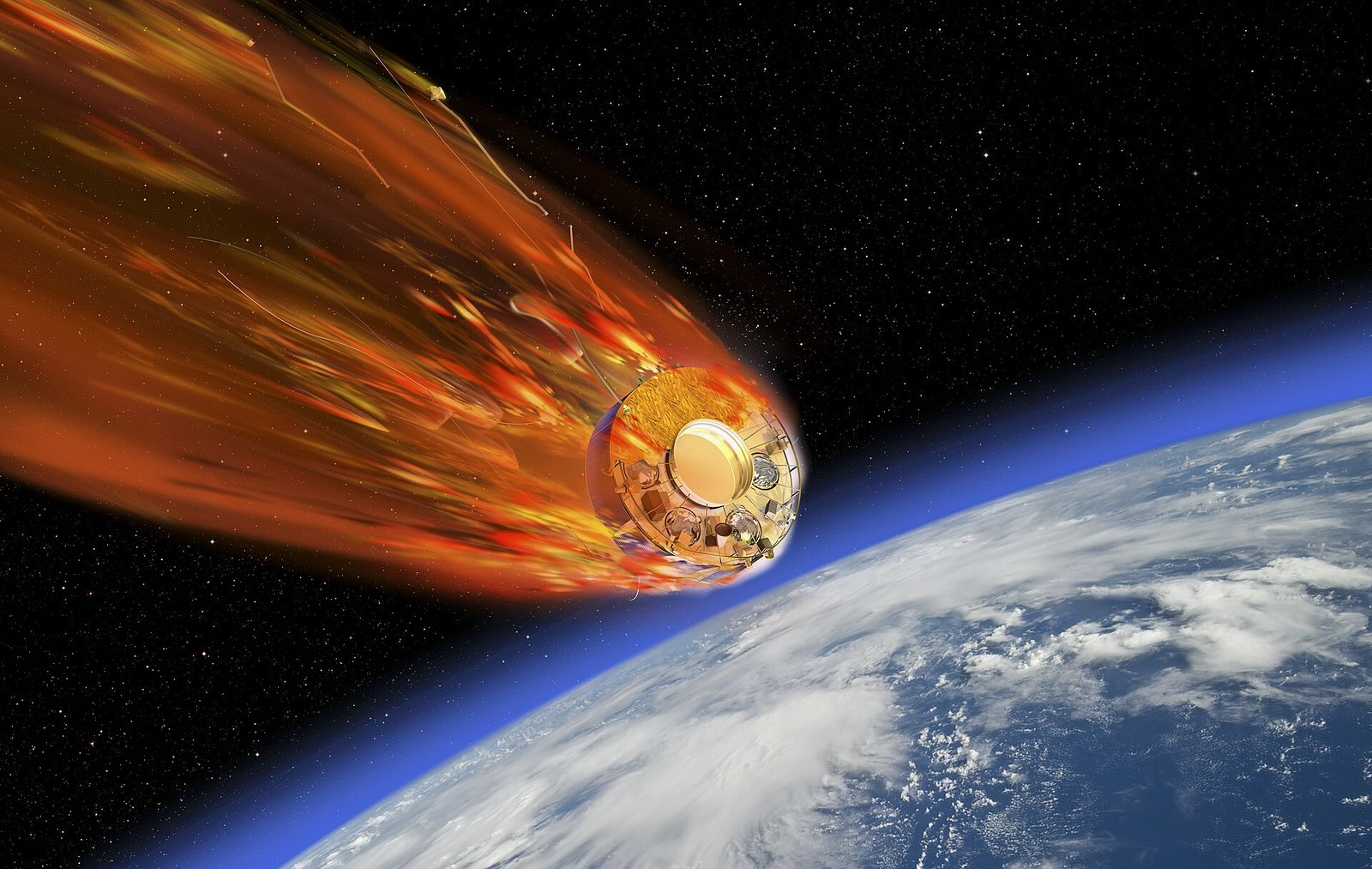
Orbit on 23 September 2026: the catalog did not move, and a six-day-old stage is already falling
33,643 objects on orbit, unchanged from yesterday in every category. The motion is in the elements: a Kuaizhou-11 third stage now sits at 133 by 1,823 km.
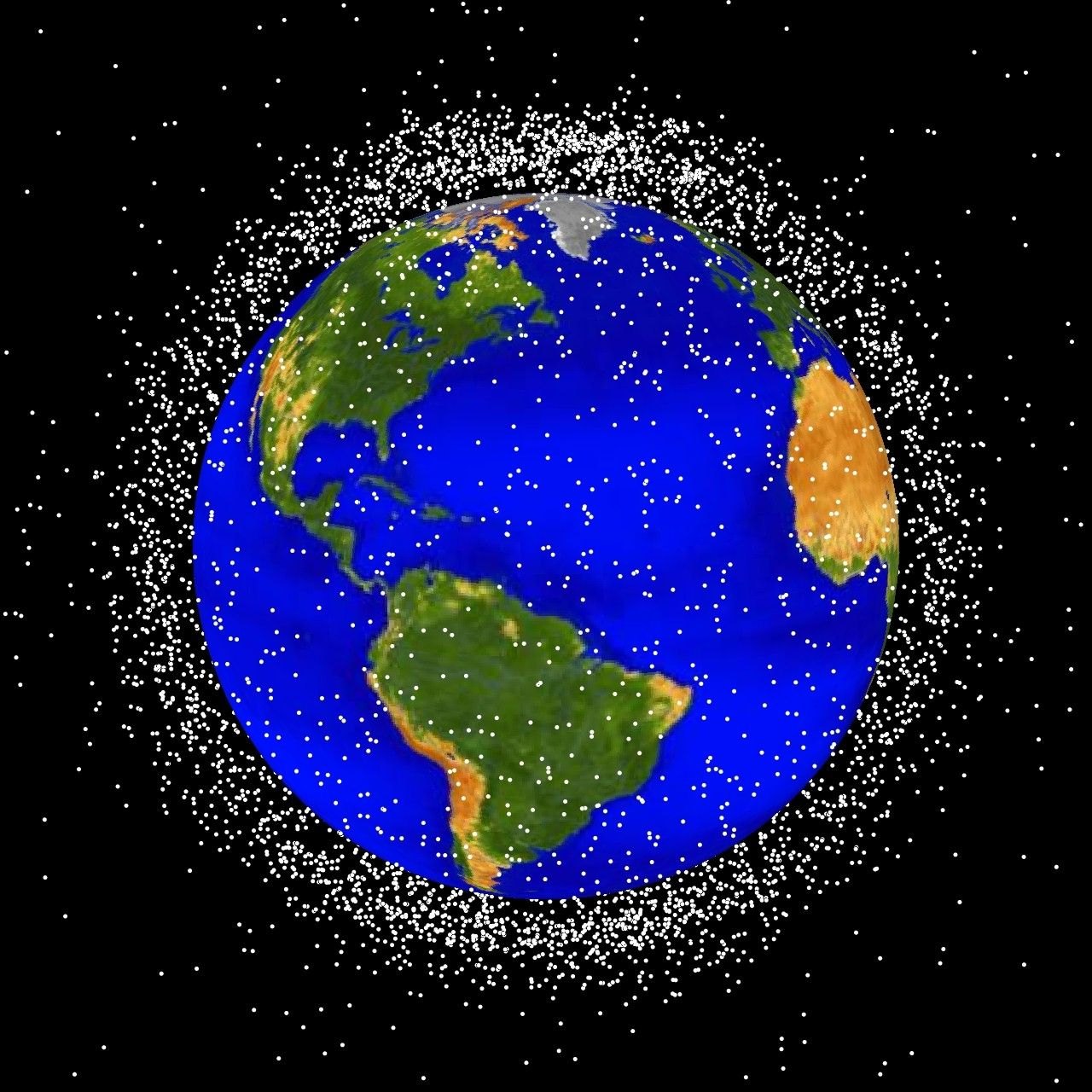
Orbit on 22 September 2026: twenty-seven fragments in a band that held nine
33,643 objects on orbit. Every one of the day's twenty-seven new debris entries shares a single 260 km orbit, with no parent object assigned to any of them.
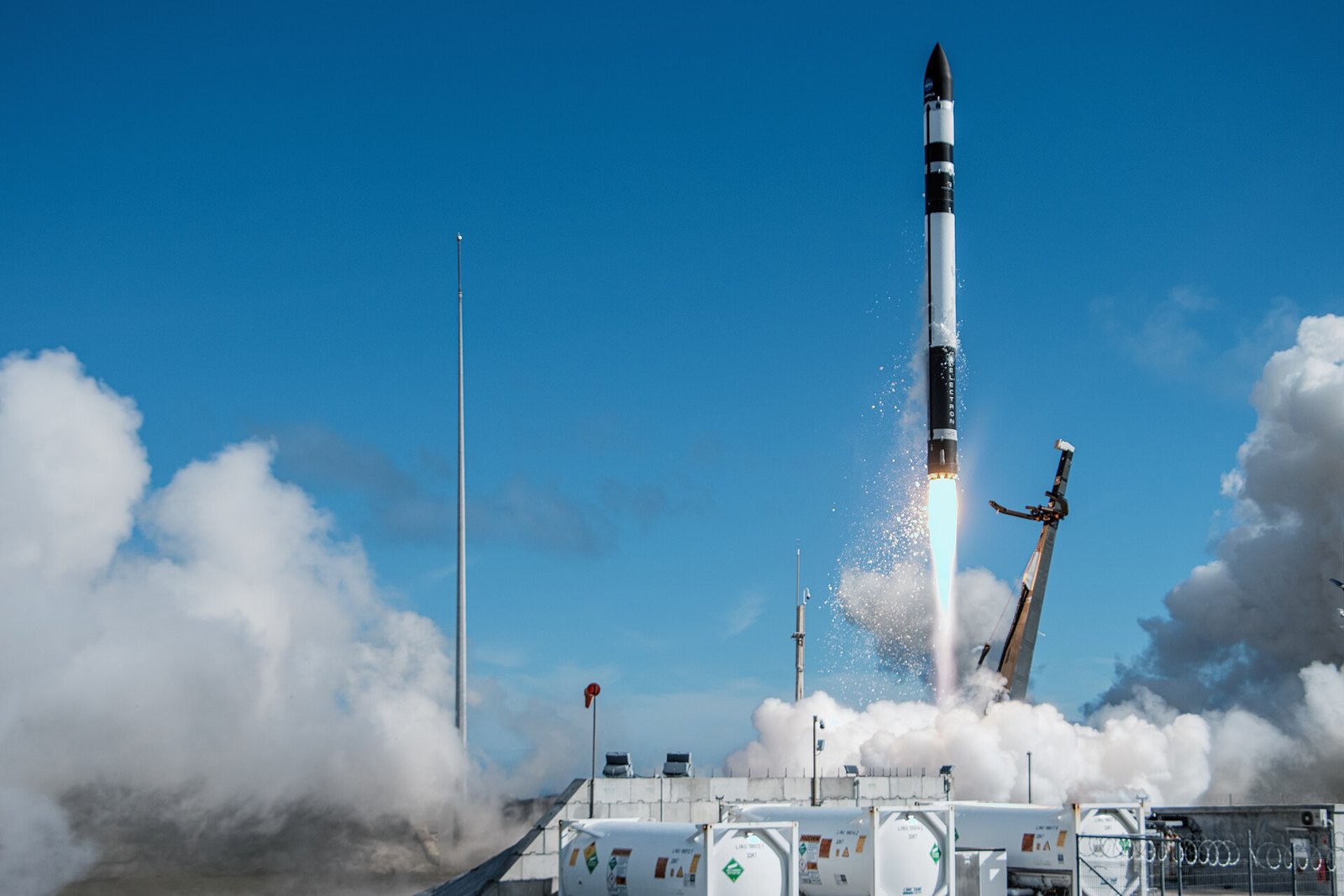
Orbit on 20 September 2026: 34 new objects, and two spent stages left low enough to fall
33,617 objects on orbit, up 33 in a day from three launches. The two rocket stages among the new entries sit below 300 km, which makes them two of only 26 in the whole catalog.
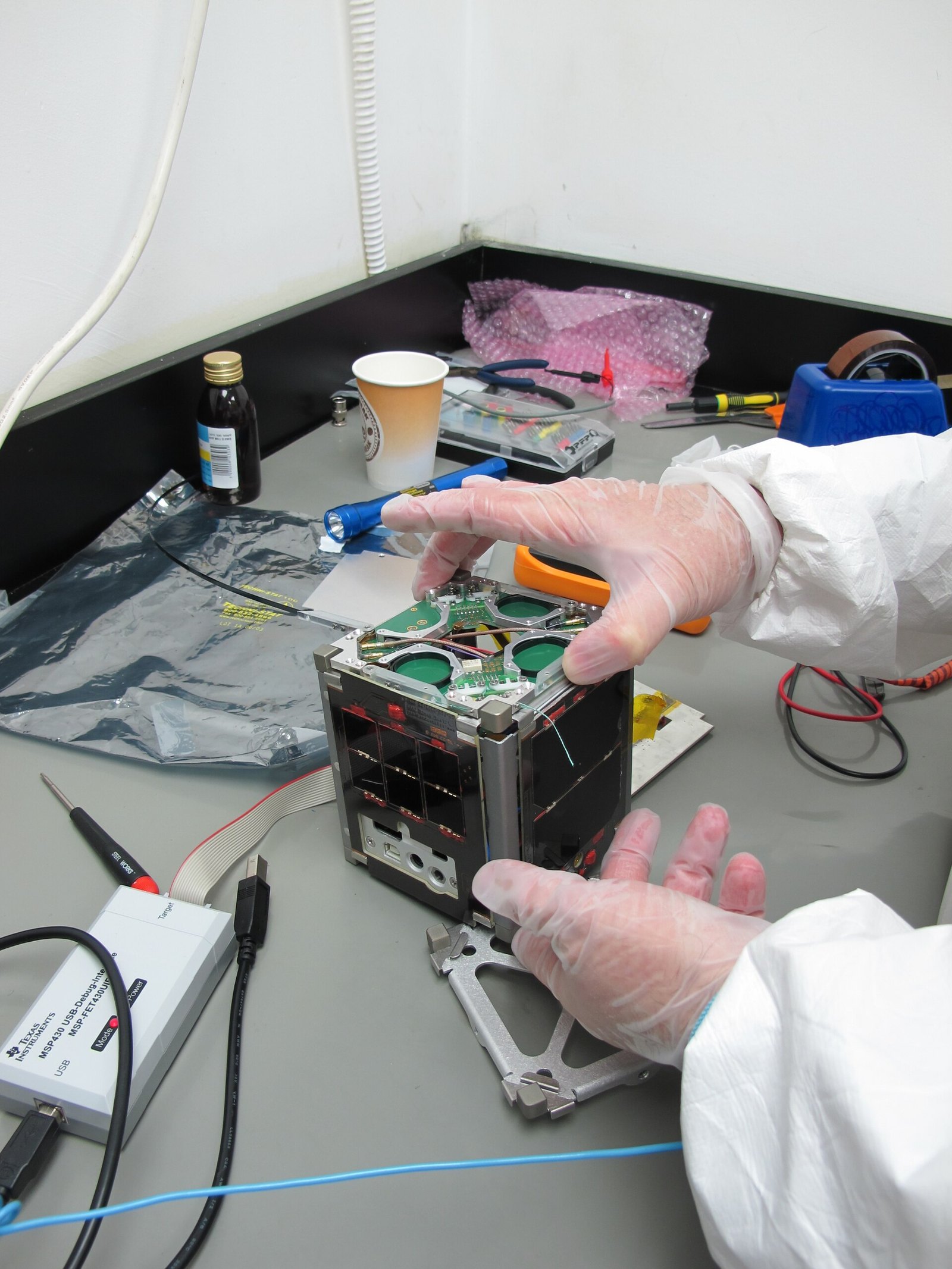
Orbit on 19 September 2026: the catalog shrank overnight, and a student CubeSat ends a twelve-year fall
33,584 objects on orbit, seven fewer than yesterday, and the arithmetic points to bookkeeping rather than reentry. Duchifat-1 weighs one kilogram and is twelve years into coming down.
Orbit on 18 September 2026: 38 new objects in a day, and a 1985 satellite finally coming down
33,591 objects on orbit, up 38 in a day and 307 in 30 days; the lowest is a Soviet listening satellite from 1985 whose own rocket stage has barely moved since.
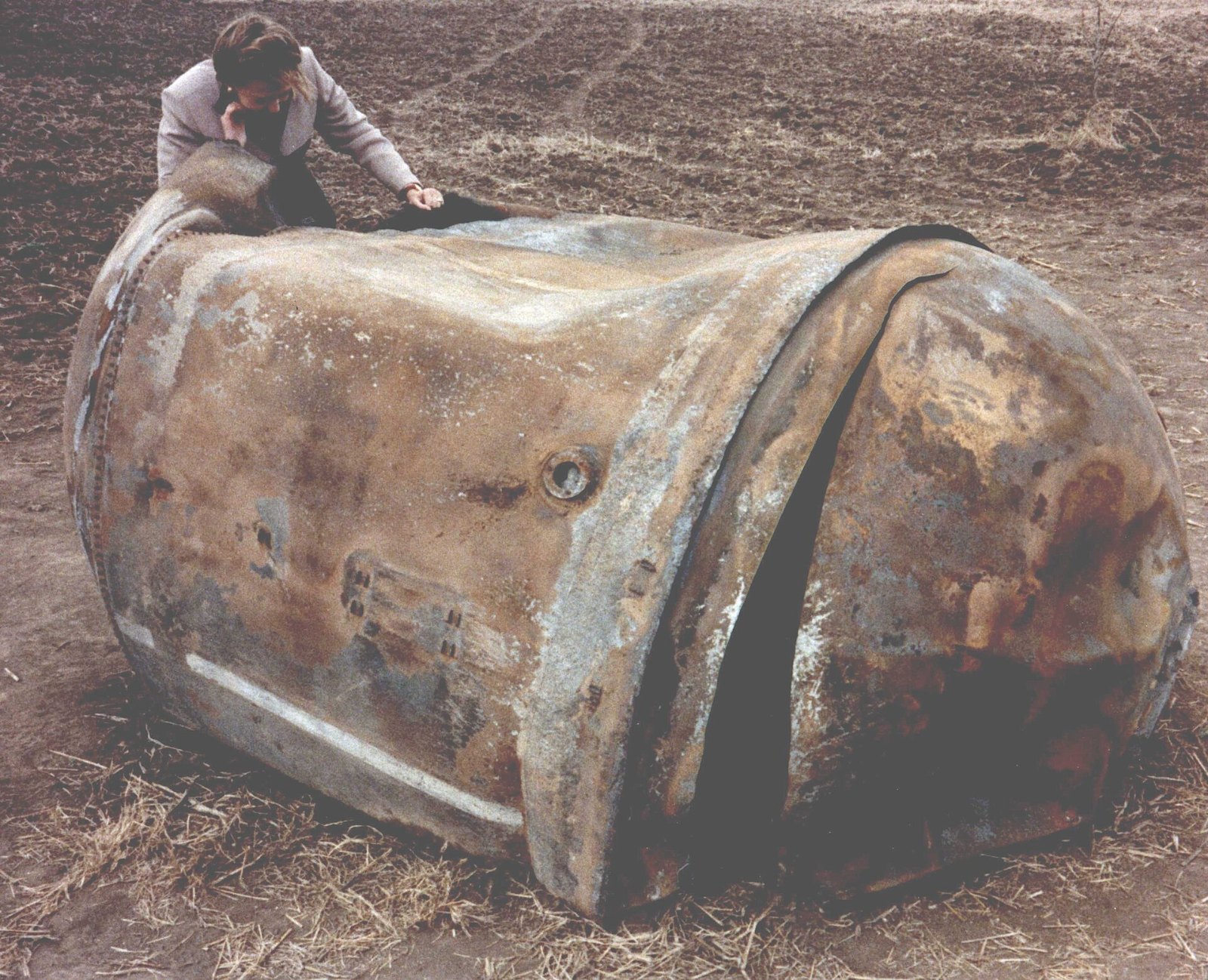
Orbit on 17 September 2026: a 22-year-old rocket stage is about to fall, and Qianfan adds another batch
33,553 objects on orbit, up 11 in a day; 270 new objects in 30 days; a Long March stage launched in 2004 is skimming 135 km and will not last the week.