Articles
Articles
Analysis of the numbers, the missions, the money and the rules.
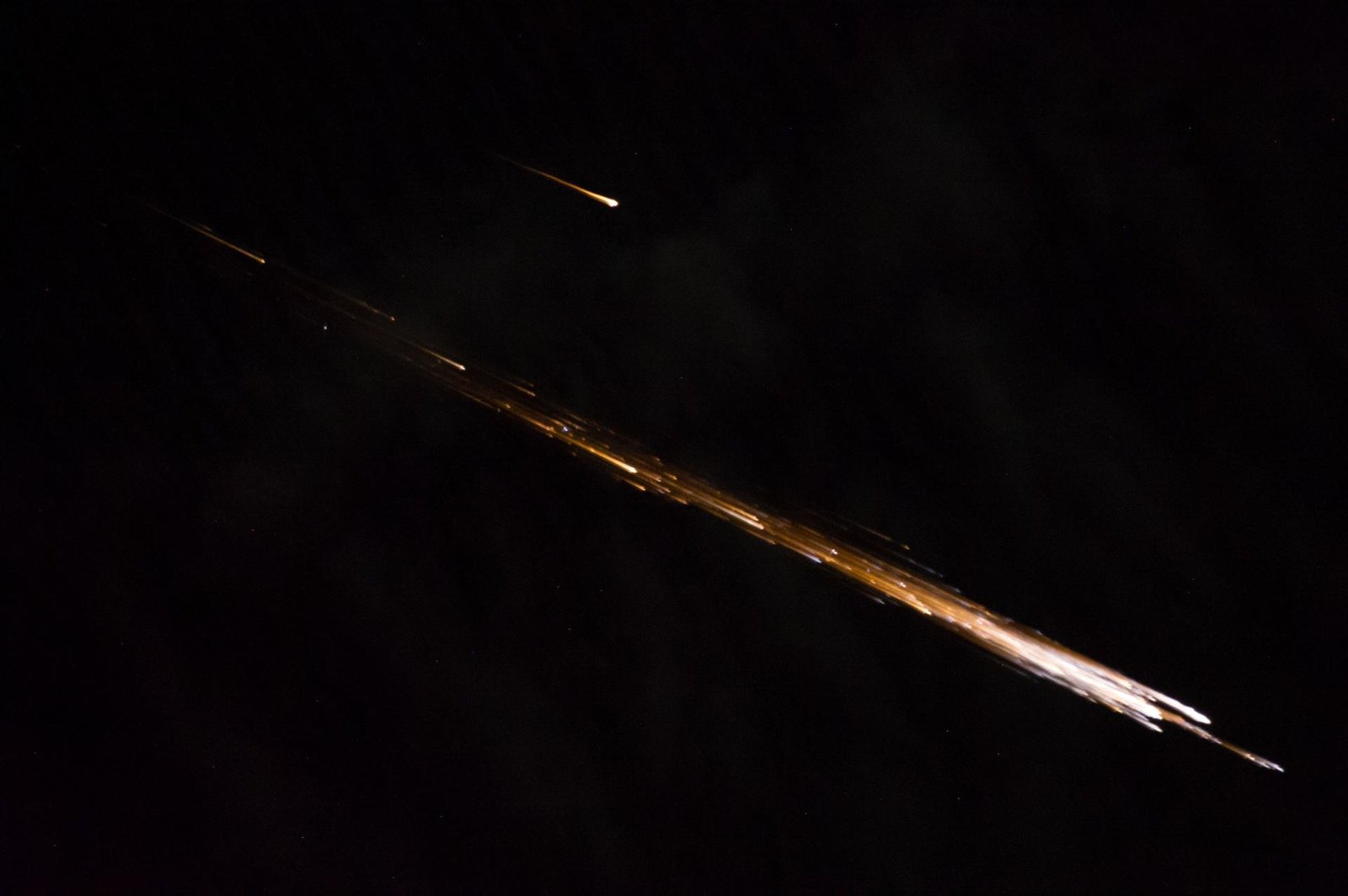
The Other End of the Problem: What Reentry Actually Does
Reentry is the disposal plan for almost everything in low orbit. It is not a disappearance: it is a transfer of several thousand tonnes a year into the upper atmosphere.
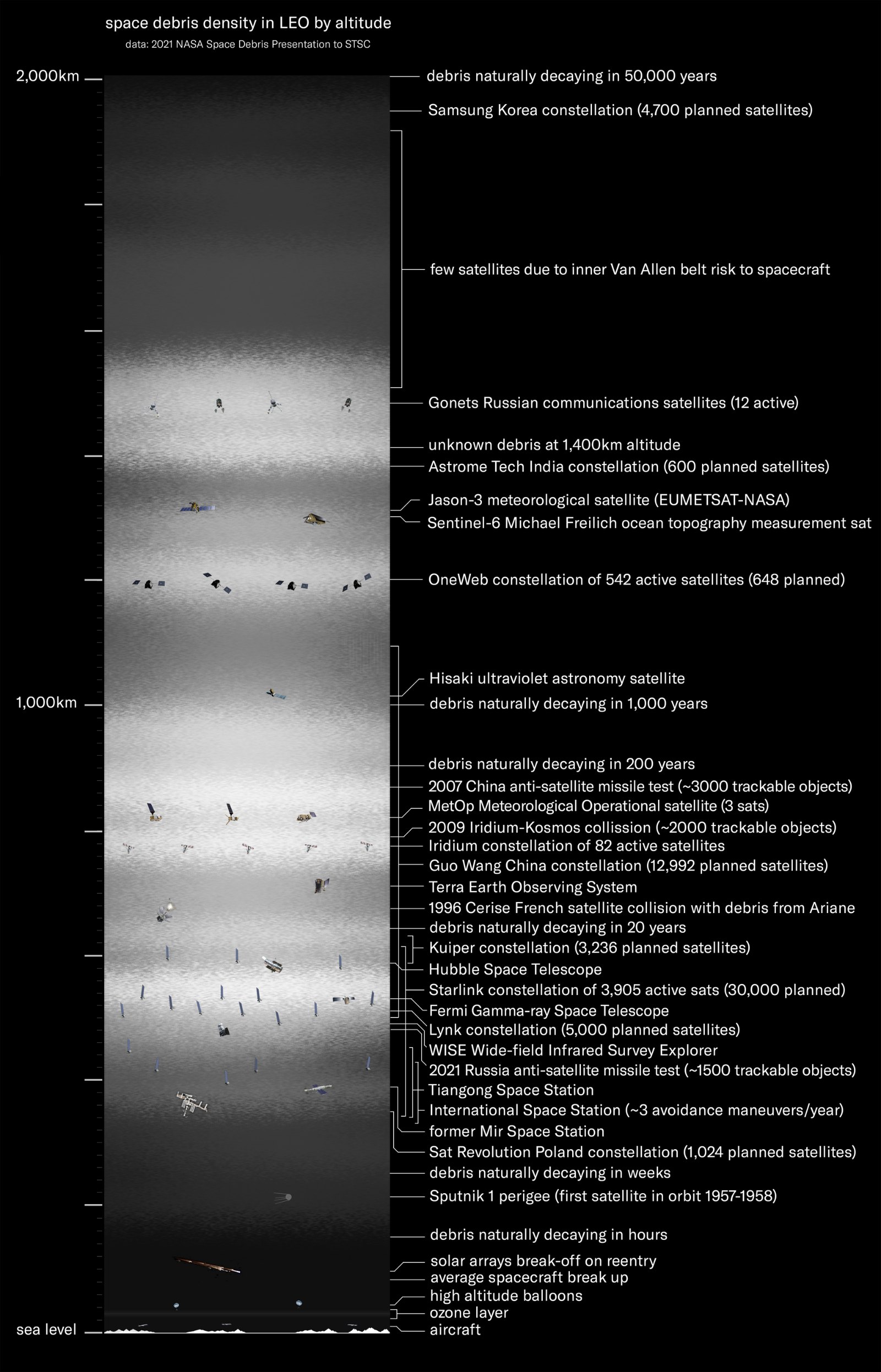
The Orbital Clock: What Actually Decides How Long Something Stays Up
Two objects from the same 1985 launch are now 470 km apart in altitude. Altitude alone never set the clock; area-to-mass ratio and the Sun do most of the work.
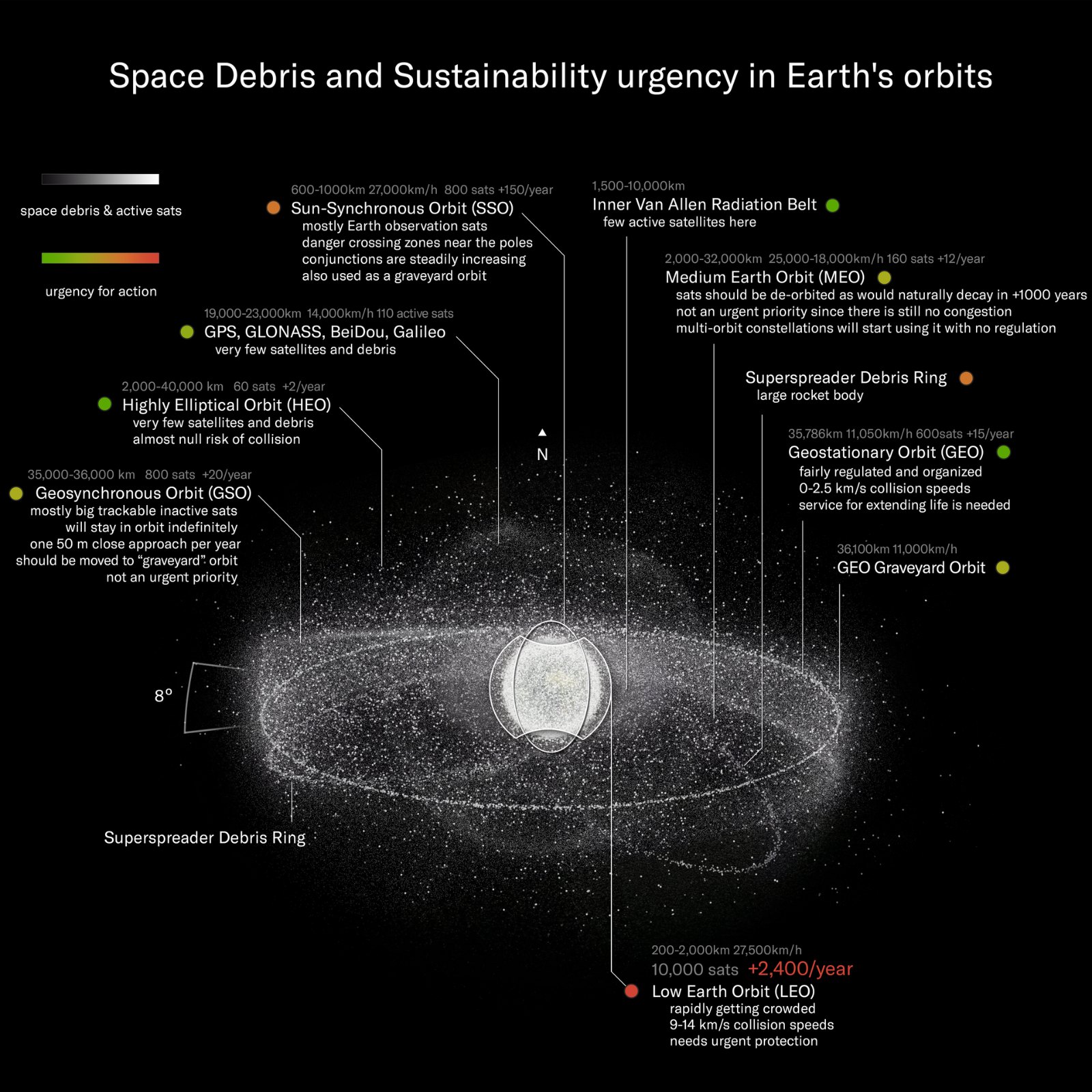
The State of Orbit, 2026
A readable digest of ESA's Space Environment Report 2026 and the numbers behind it: a record catalog, a crowded model, daily re-entries and a health index 50 times over target.
The Fifty Most Dangerous Objects in Low Earth Orbit
In 2021, eleven research teams ranked the derelicts most likely to seed future debris. The top 20 are all the same Soviet-era rocket stage, parked in one crowded band.
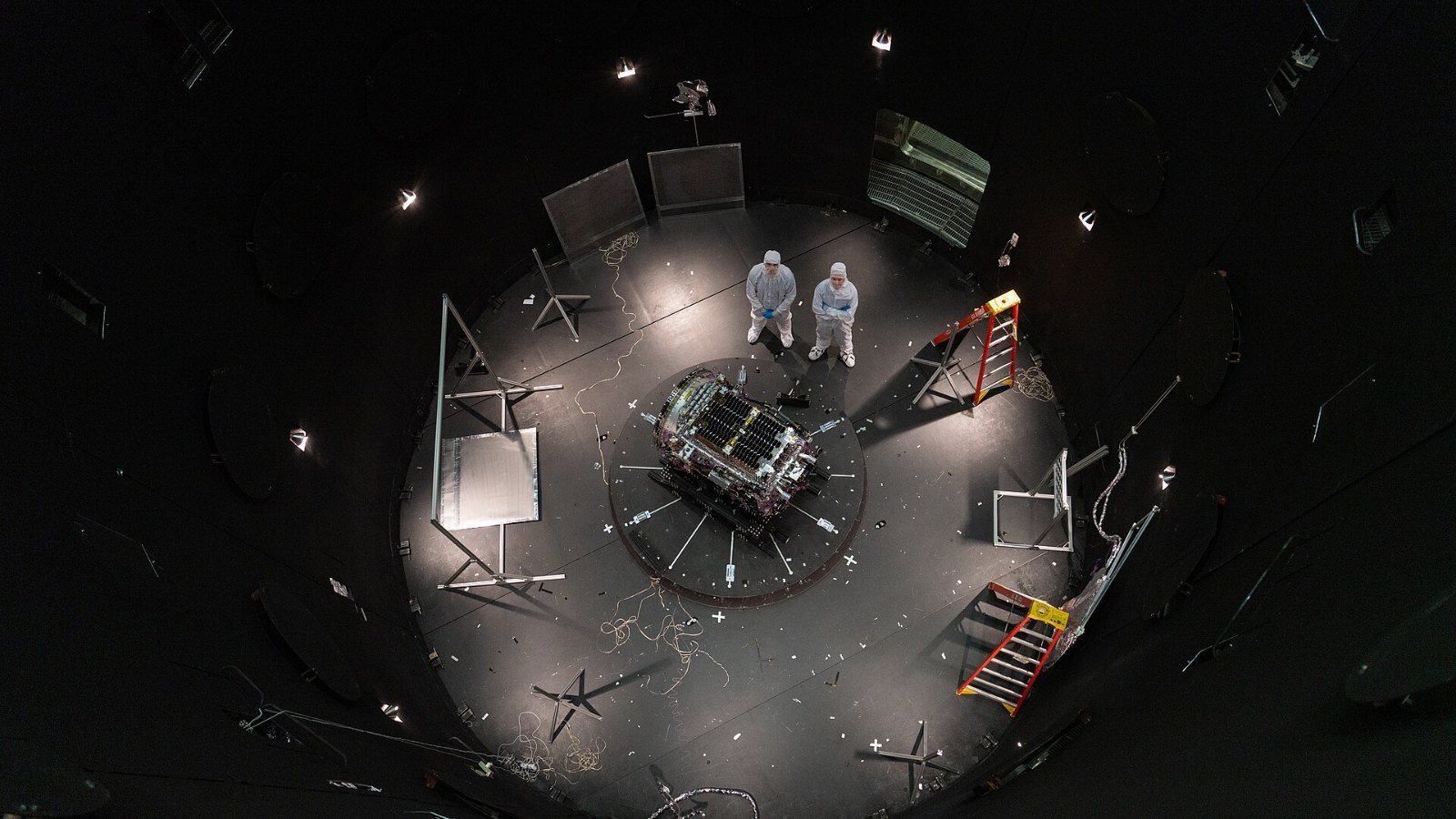
The Economics of Cleaning Orbit
What the first removal contracts cost, what NASA's cost-benefit studies say actually pays off, why insurers are retreating, and who should foot the bill.
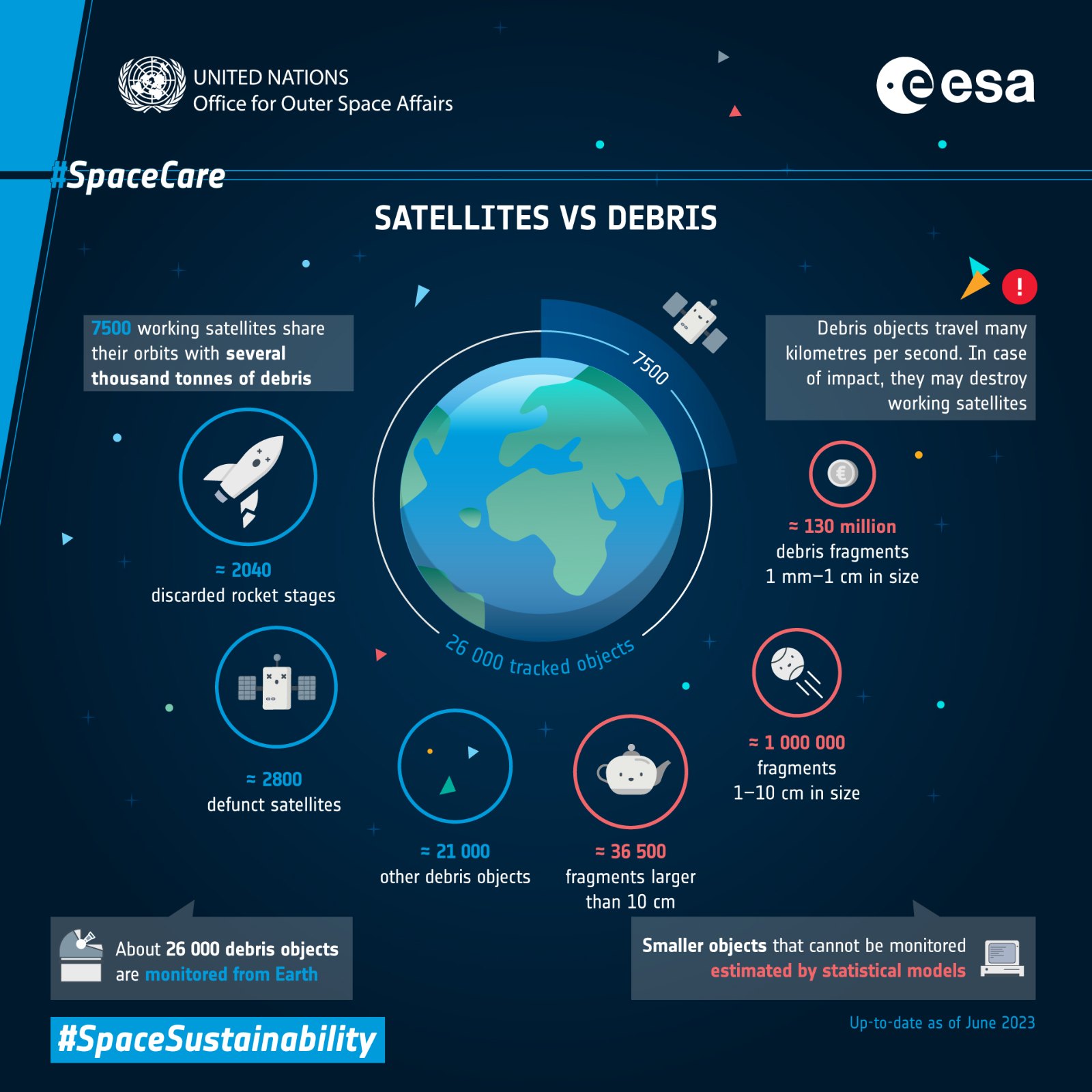
Rules of the Road, 2026: What Binds, What's Voluntary, and Where the Gaps Are
A map of today's space-debris rules: IADC guidelines, the FCC five-year rule and new Part 100, the FAA's retreat, the EU Space Act and the Zero Debris Charter.
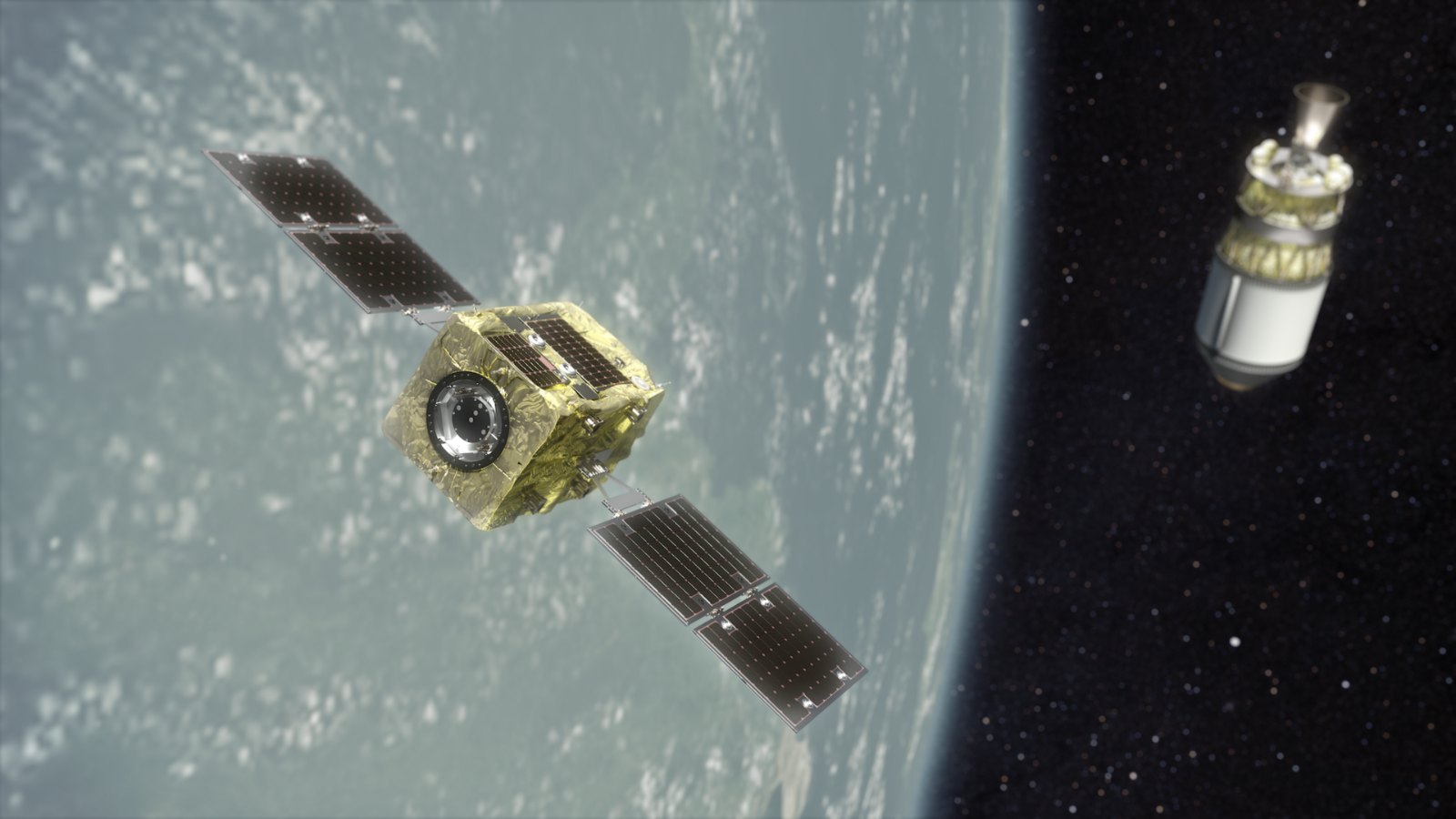
Nobody Has Removed a Piece of Debris Yet
An honest ledger of active debris removal: what has flown, what is planned for 2027-2028, and why the first capture of an uncooperative object will be a genuine milestone.
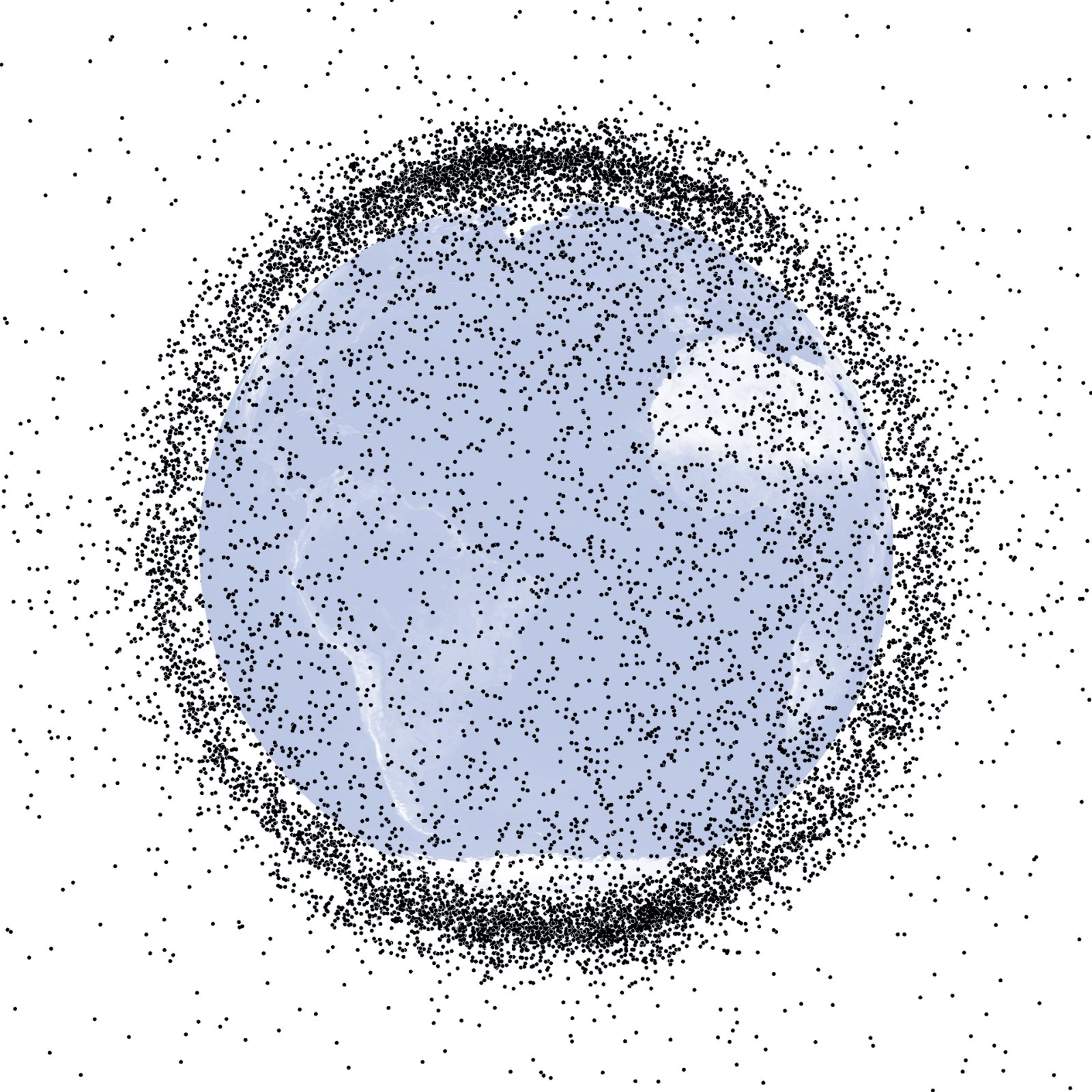
Kessler Syndrome, Explained Without the Movie Version
What Kessler and Cour-Palais actually predicted in 1978, why a debris cascade unfolds over decades rather than minutes, and where low Earth orbit sits on that curve today.