Daily briefing · · 3 min read
Orbit on 17 November 2026: a Fregat came down the day it launched, and 69 others never will
GCAT lists 138 Fregat upper stages. Fifty-five were deorbited, nine fell on their own, and 69 are still up — 50 of them in orbits that never come below 2,000 kilometres.
What changed
The on-orbit count stands at 34,009 — 19,922 payloads and 14,087 rocket bodies and debris fragments — exactly where it stood yesterday, because the catalog file behind these figures was last rebuilt on 15 November (GCAT). Over thirty days the balance is 267 objects added by launch against 68 that came down, 13 of them this week.
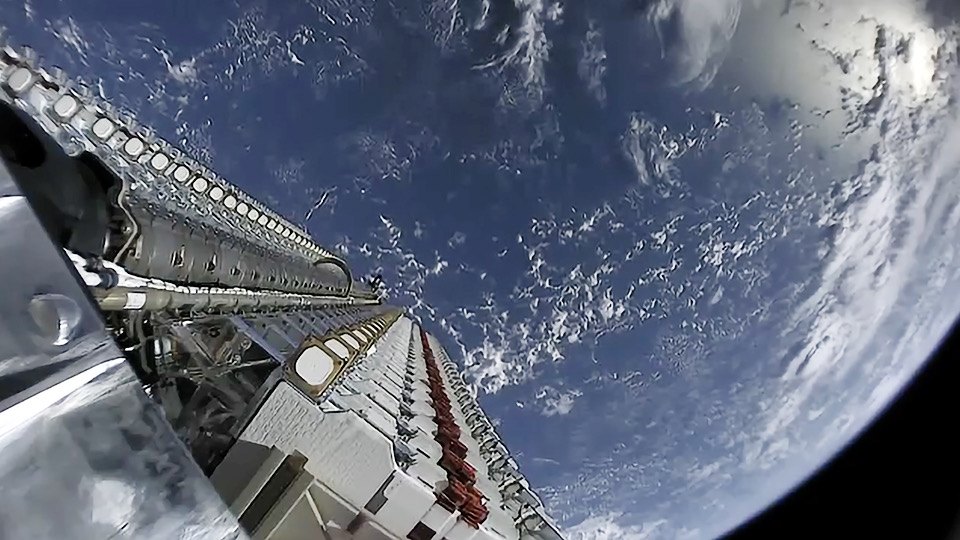
One of those 13 closes a loop: three days ago the catalog already carried a reentry dated 17 November, booked ahead of itself, and Starlink 30221, launched on 20 July 2023, is now logged down on that date (GCAT). Ninety-four objects hold a perigee below 250 kilometres on an orbit measured this month, the lowest a Kosmos-1408 fragment at 118 by 136 kilometres. The crowded shells are unchanged: 10,344 objects between 400 and 500 kilometres, 10,152 of them working payloads, against 2,769 between 800 and 900 of which 2,501 are debris. ESA's statistics, updated on 13 November 2026, count about 47,270 objects tracked and catalogued, more than 17,600 tonnes of material in orbit and more than 660 fragmentation events (ESA DISCOS).
Close approach of the day
There is none from current data, for the thirty-ninth morning. The screening behind our close-approach pages is still the run of 8 October 2026 — a record of that morning, not a live feed. The pipeline did pull a fresh screening today from USSPACECOM's public conjunction data on Space-Track.org, and none of it is on the site: we are waiting for written confirmation that redistributing events derived from that feed is permitted. Anyone who needs a current screening should take it from Space-Track directly, where a free account reaches the same public messages. No predicted encounter has passed since the last check, and none falls inside the next 48 hours.
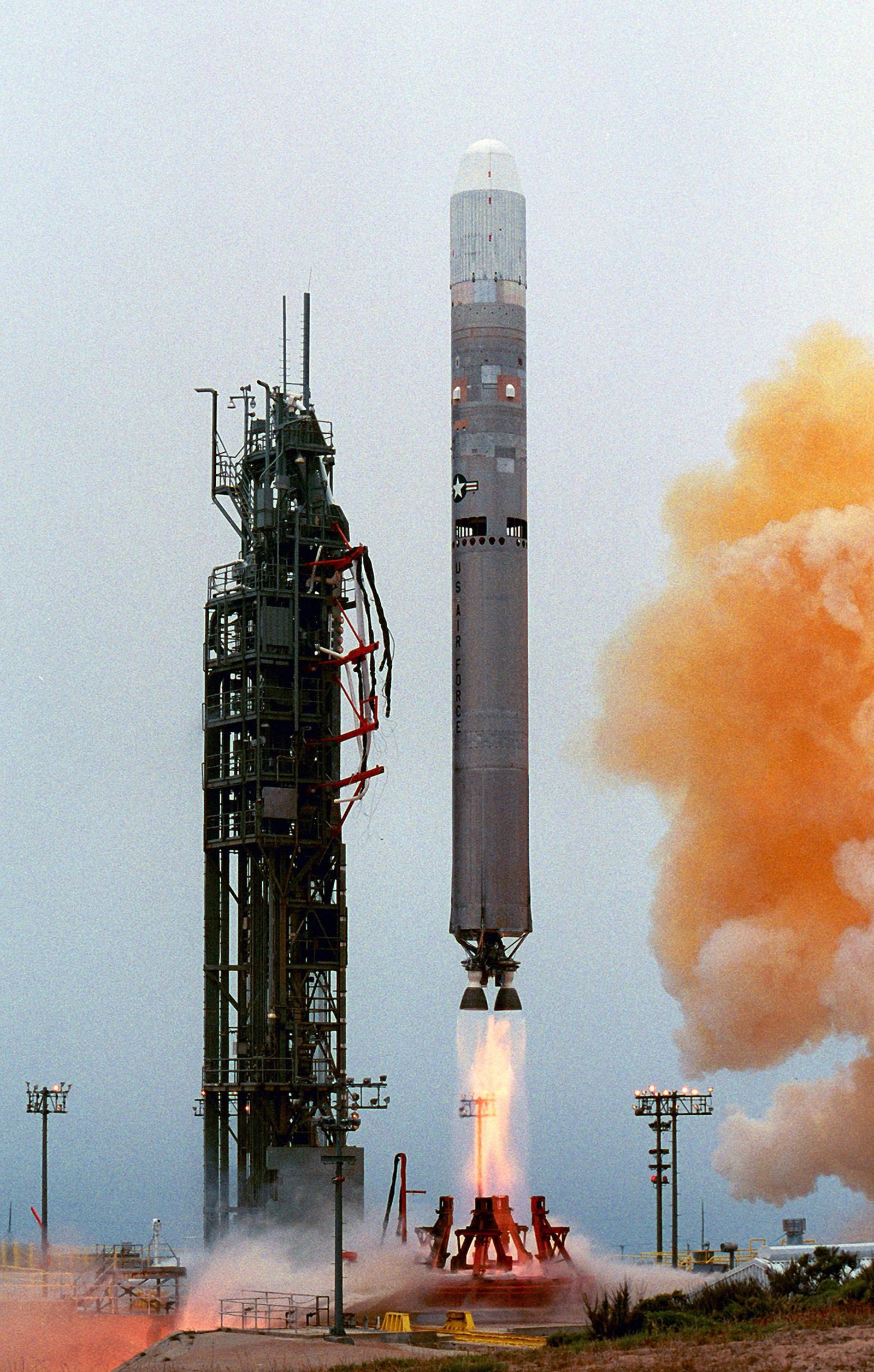
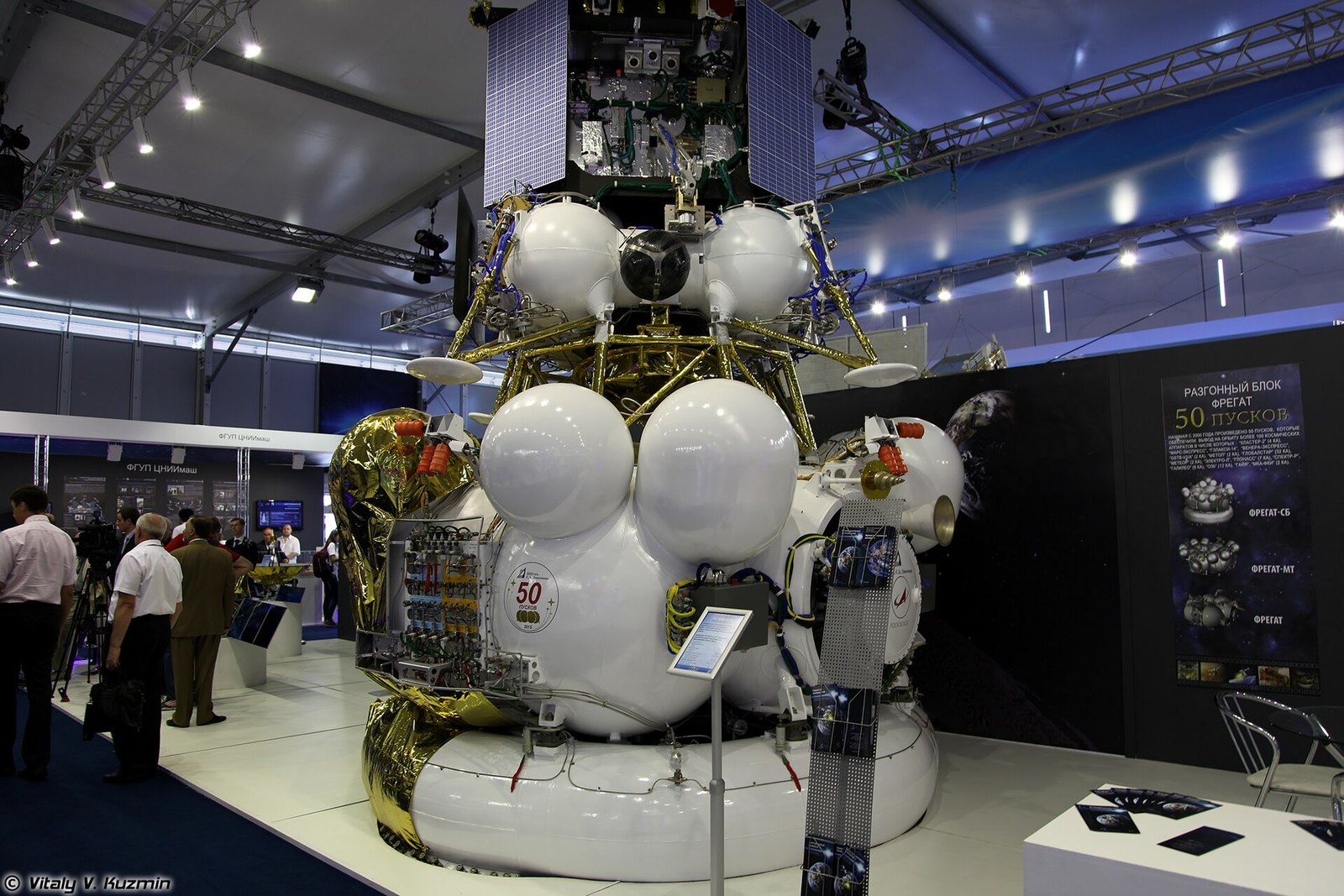
The object of the day: Fregat No. 112-xx, catalog number 101319
On 7 November a Soyuz-2-1b placed Kosmos-2621 into a near-circular orbit of 19,128 by 19,147 kilometres, the band Russia's navigation satellites occupy. The Fregat upper stage that carried it there was catalogued separately as object 101319 and left at 19,240 by 19,284 kilometres, inclined 64.84 degrees (GCAT). There is no measurable atmosphere at that height; nothing about that orbit will change on any timescale a person can plan around.
Seven days later the same stage type did the opposite. The Soyuz that lifted thirteen satellites to roughly 500 kilometres on 14 November carried a Fregat that GCAT records as "Deorbited into Earth atmosphere" on the day of launch — the status the catalog uses for a controlled disposal rather than a natural decay (GCAT status values). The hardware was identical; the destination was not.
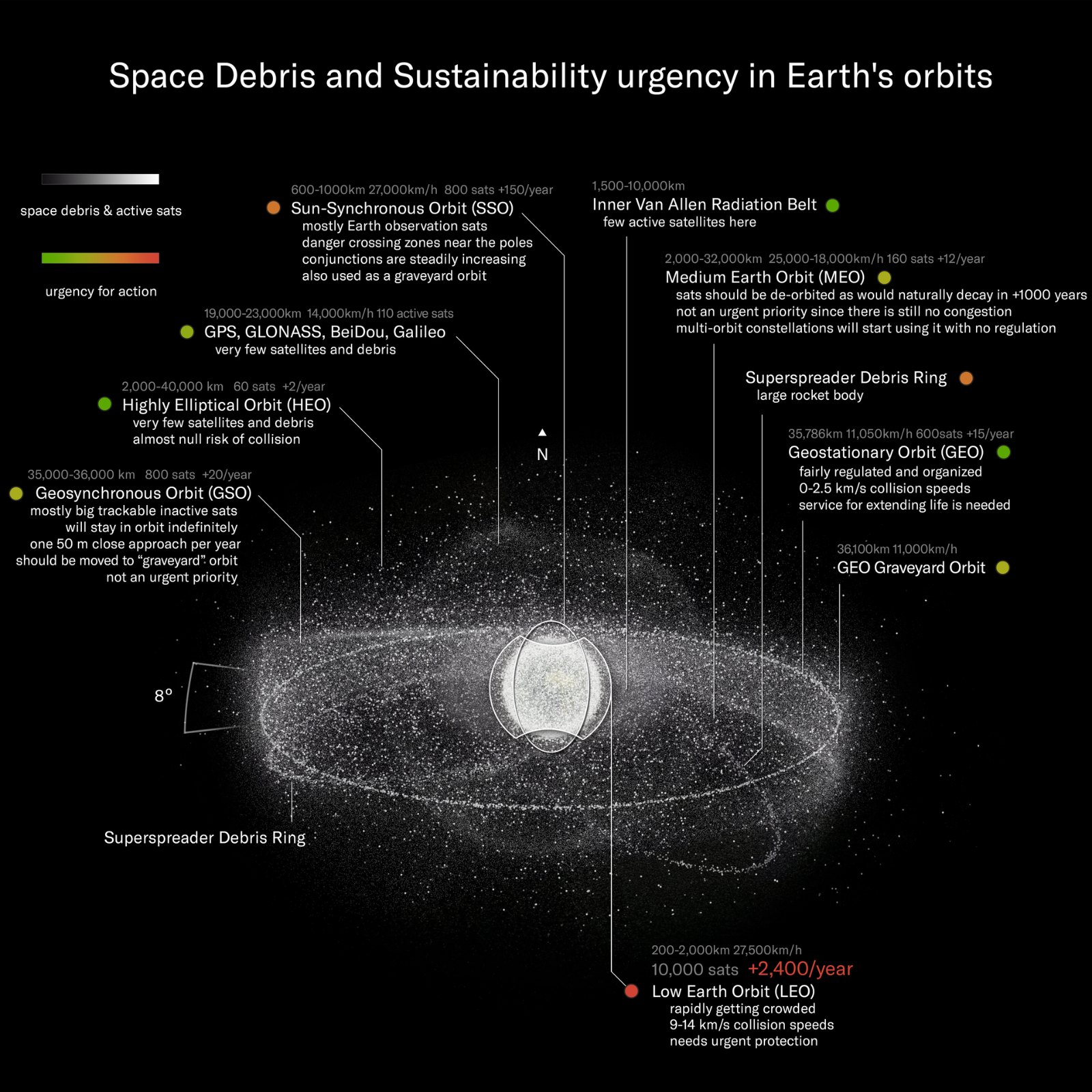
Across the whole record the split is clean. Of 138 Fregat stages ever catalogued, 69 are still in Earth orbit; 55 were deorbited deliberately and nine came down on their own (GCAT). Only three of those 69 have apogees below 2,000 kilometres; 50 never come below 2,000 at all, 34 of them parked in the navigation band above 19,000. Sixteen do cross low orbit, ten with perigees under 1,000 kilometres, and eleven of those swing out past 38,000 kilometres on every revolution — down through the busiest shells twice a day, and most of the way to the geostationary ring in between.
ClearOrbit's view
Disposal is not a property of a rocket stage. It is a property of the mission the stage was bought for. A Fregat going to 500 kilometres has margin to spare and atmosphere beneath it, so it comes down the same afternoon. A Fregat going to 19,000 kilometres has neither, so it stays — and the stages on stretched transfer orbits, perigee in the traffic and apogee near geostationary, are the worst of both: hardest to reach, most dangerous to leave.
That is the part no launch-side reform fixes. Tighter disposal rules will keep the next decade's low-orbit stages out of the catalog; they do nothing about 69 Fregats already sitting where drag will never reach. Those need something to go and get them, and the economics of retrieving one object from 19,000 kilometres are not the economics of 500. ClearOrbit has flown nothing. What we are building is the case that high-orbit derelicts belong on the removal agenda now, while they are still catalogued, tracked and intact.
Reader mail
Have a better idea?Spotted something we got wrong?
We publish in public so the numbers can be checked. If a figure looks wrong, a source is missing, or you know something this piece should have said, send it over. One box, no sign-up.
Send an idea or correctionQuick question
Who should pay for cleaning up orbit?
Anonymous. You will see how others answered after you vote.