Daily briefing · · 3 min read
Orbit on 19 November 2026: USA 32 reached 26 catalogued fragments, 67 days after it broke apart at 776 kilometres
Ten objects joined the catalog overnight and none came from a recent launch. Four are fragments of USA 32, a 1,450-kilogram satellite that broke up on 13 September. None of the 26 has come down.
What changed
The catalog moved, after three mornings in which it did not. Rebuilt on 18 November, the file behind these figures counts 33,997 objects on orbit — 19,914 payloads against 14,083 rocket bodies and debris fragments — where the 15 November build read 34,009 (GCAT). That is a net loss of twelve against the previous build, inside a thirty-day window that added 265 objects by launch against 72 reentries.
The arrivals that matter are not launches. Ten new catalog numbers were issued, 101,401 through 101,410, and not one belongs to anything that went up this month: five are fragments of Yaogan 50-02, launched on a Chang Zheng 6A in March 2026 and now trailing 77 catalogued pieces, one came off Kosmos-2499, and four came off a satellite launched thirty-eight years ago (GCAT).
A hundred and one objects have a perigee below 250 kilometres on an orbit measured this month, the lowest a fragment of Kosmos-1408 at 118 by 136 kilometres. The crowded shells divide by what fills them: 10,313 objects between 400 and 500 kilometres, 10,123 of them working payloads, against 2,662 between 700 and 800 kilometres of which 2,257 are debris (GCAT). ESA, updating on 17 November, counts more than 660 fragmentation events to date (ESA DISCOS).
Close approach of the day
There is none from current data. The screening behind our close-approach pages is still the run of 8 October 2026, forty-two days back — a record of that morning, not a live feed. Today's pipeline did pull a fresh screening from USSPACECOM's public conjunction data, and none of it is published while we wait on confirmation that redistributing it is permitted. Anyone needing a current screening should take it from Space-Track, where a free account reaches the same messages.
The object of the day: USA 32, catalog number 19460
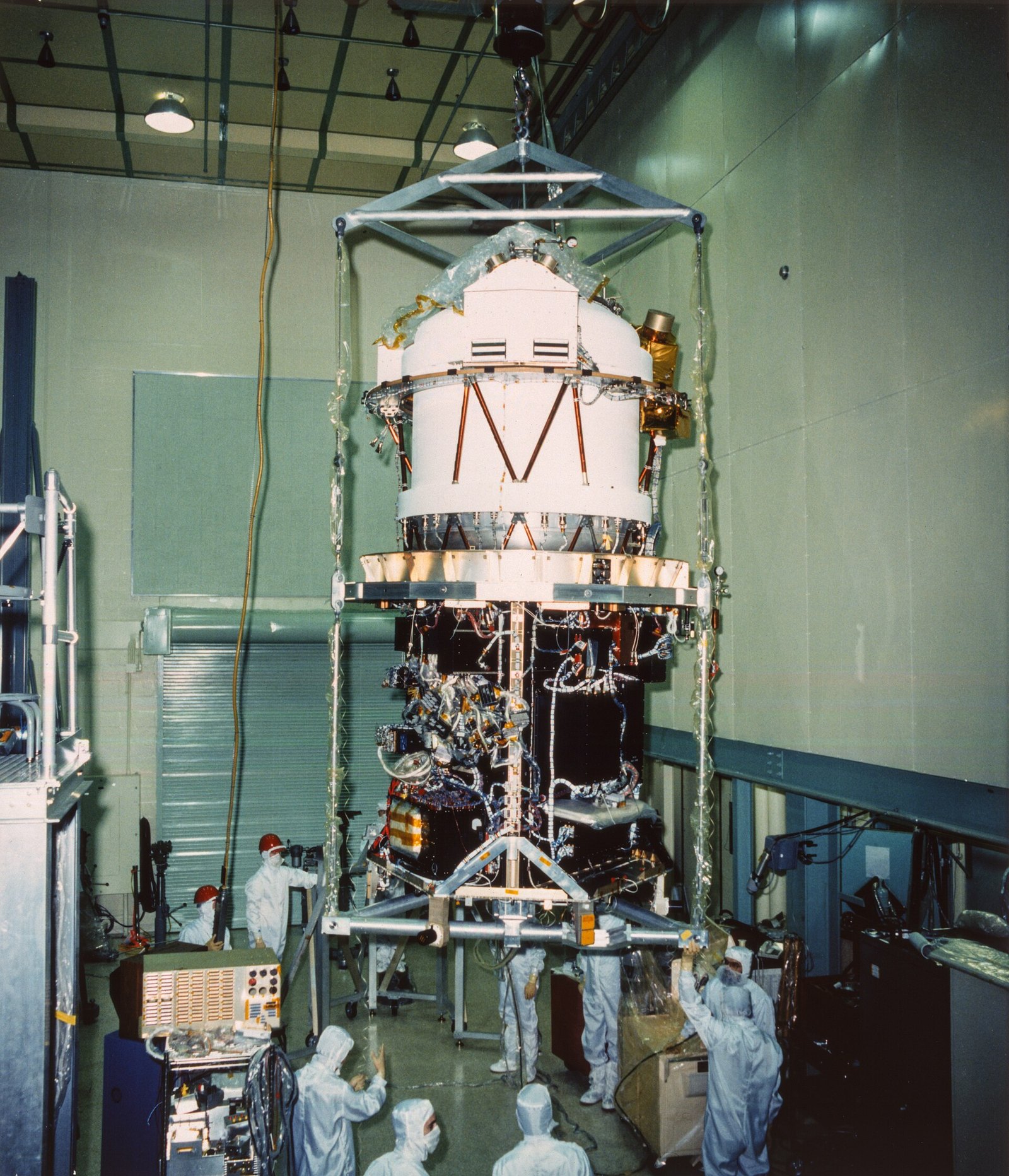
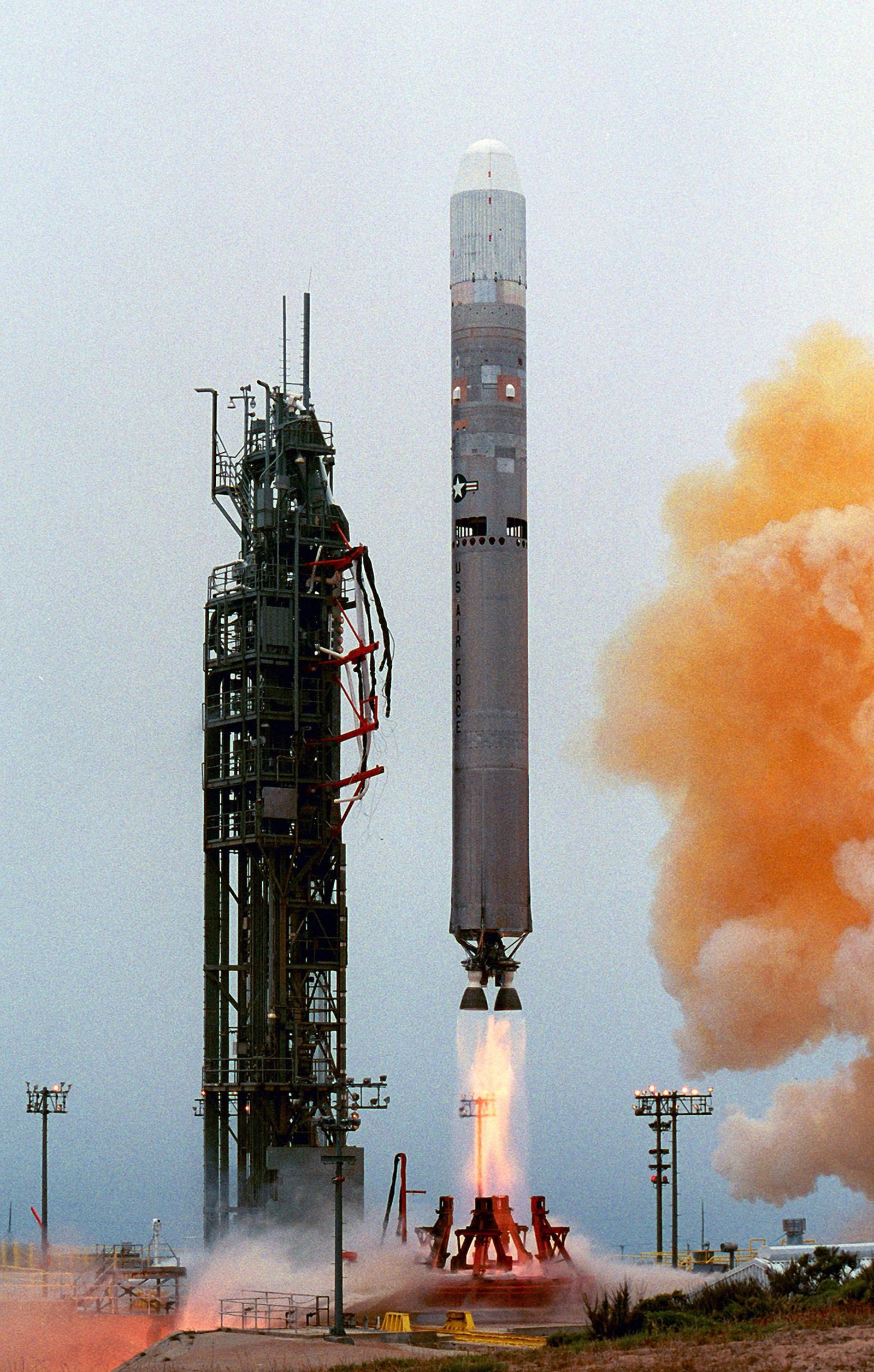
At 0925 UT on 5 September 1988 the first Titan 23G ever flown — a decommissioned Titan II missile converted into a launcher — lifted a 1,450-kilogram signals-intelligence satellite out of Vandenberg's SLC-4W. It was registered with the United Nations as entering a 185 by 292 kilometre orbit, was measured at 785 by 794 by April 1991, and stopped working around 1998 (GCAT). Its second stage came down. The satellite did not, and for twenty-eight years it was one more intact derelict, 1,200 kilograms of it dry.
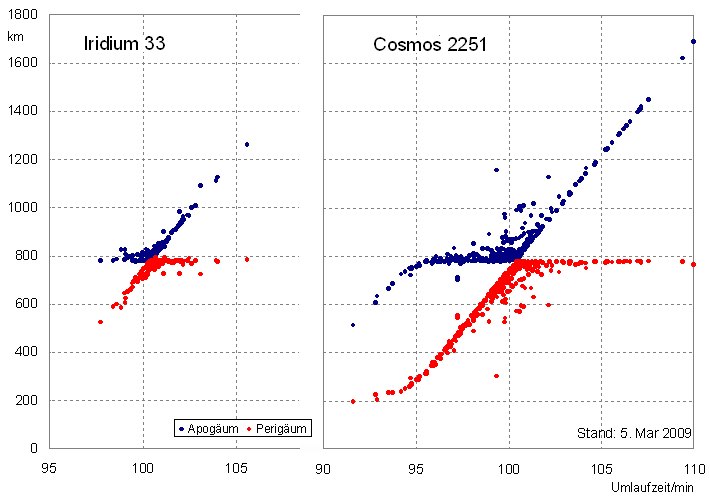
On 13 September 2026 it came apart. Space-Track announced a fragmentation four days later, and no cause has been established publicly; the candidates reported at the time were a ruptured tank or battery, or an impact by something too small to track (Live Science). The parent is still listed, this week at 774 by 778 kilometres.
The fragments arrived in instalments: eighteen numbered in October at 101,032 to 101,049, four more late in the month, four this morning at 101,406 to 101,409, taking the designators out to 1988-078AD — past Z into the double letters, I and O skipped as always (GCAT). Twenty-six catalogued pieces, sixty-seven days on, and not one has reentered. GCAT carries a twenty-seventh with an orbit measured on the day of the breakup and no catalog number at all — the waiting room every identification backlog produces.
The orbits say the event was energetic: the pieces run from 414 by 495 kilometres to 685 by 1,054 against a parent at 776, inclinations spread 84.43 to 85.12 degrees (GCAT). The low one comes down in years; those near 775 kilometres do not, because at 800 kilometres "orbital decay often takes centuries" (NASA ODPO).
ClearOrbit's view
USA 32 is the derelict problem in one object. It flew a successful mission, was abandoned under rules that did not yet require disposal, and sat quietly for twenty-eight years. Then, with nobody flying it and nothing to warn, it did the one thing an intact derelict can still do — in a shell already holding 2,257 catalogued debris pieces against 405 working payloads. Every disposal rule written since 1988 governs spacecraft that can still be commanded. None reaches this one.
ClearOrbit has flown nothing and holds no contracts. What we are arguing is that intact, massive, long-dead objects in the 700-to-900-kilometre shells be ranked on this failure mode — not their collision probability this week, but their capacity to become a cloud on a day nobody can predict.
Reader mail
Have a better idea?Spotted something we got wrong?
We publish in public so the numbers can be checked. If a figure looks wrong, a source is missing, or you know something this piece should have said, send it over. One box, no sign-up.
Send an idea or correctionQuick question
Who should pay for cleaning up orbit?
Anonymous. You will see how others answered after you vote.