How it works
How it works
How each class of debris can actually be cleared, and how ready each method is.
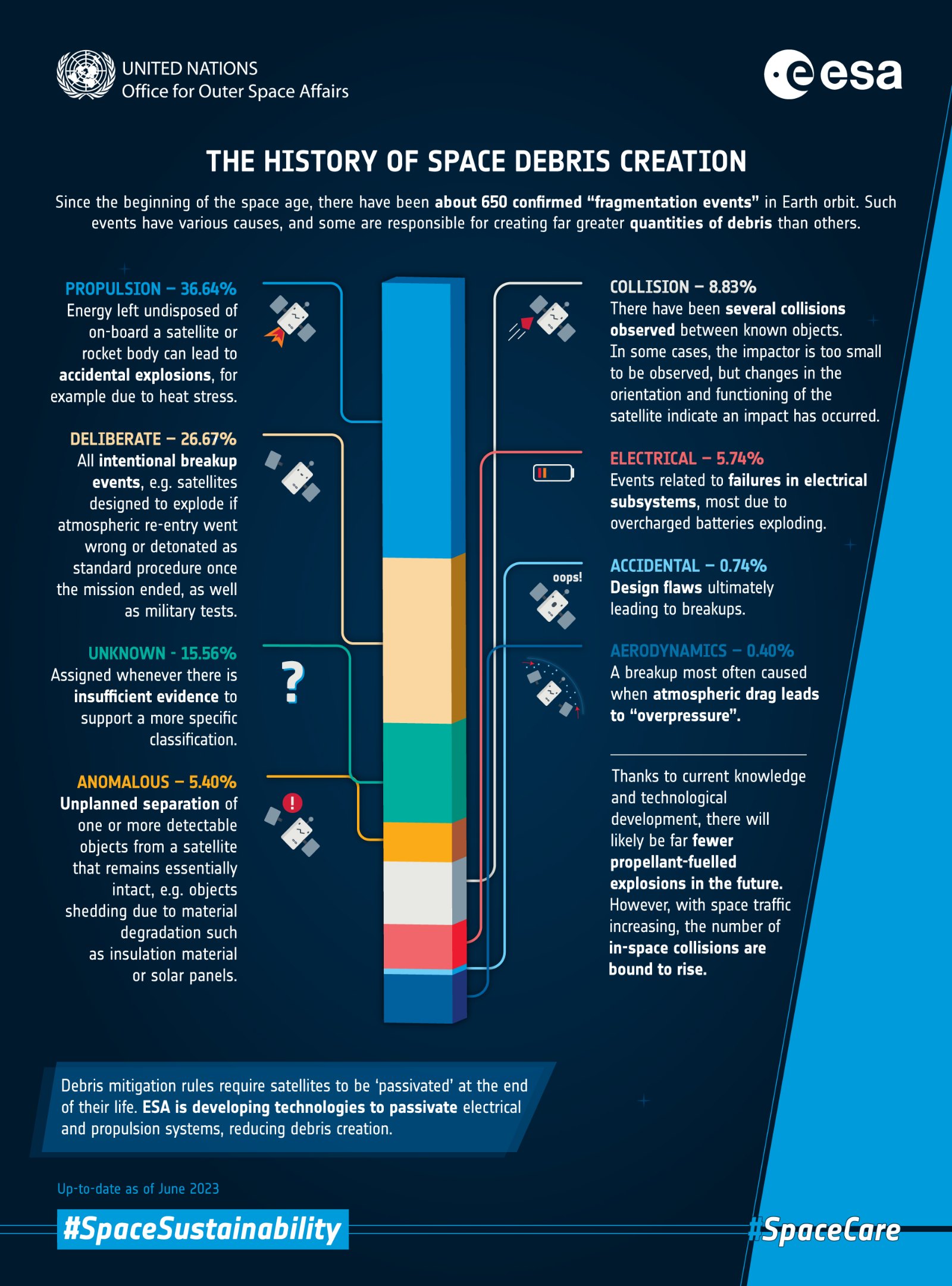
Passivation: How a Spent Rocket Stage Is Made Unable to Explode
Most debris-creating breakups are not collisions. They are leftover fuel, pressurant and batteries, going off years after the mission ended.
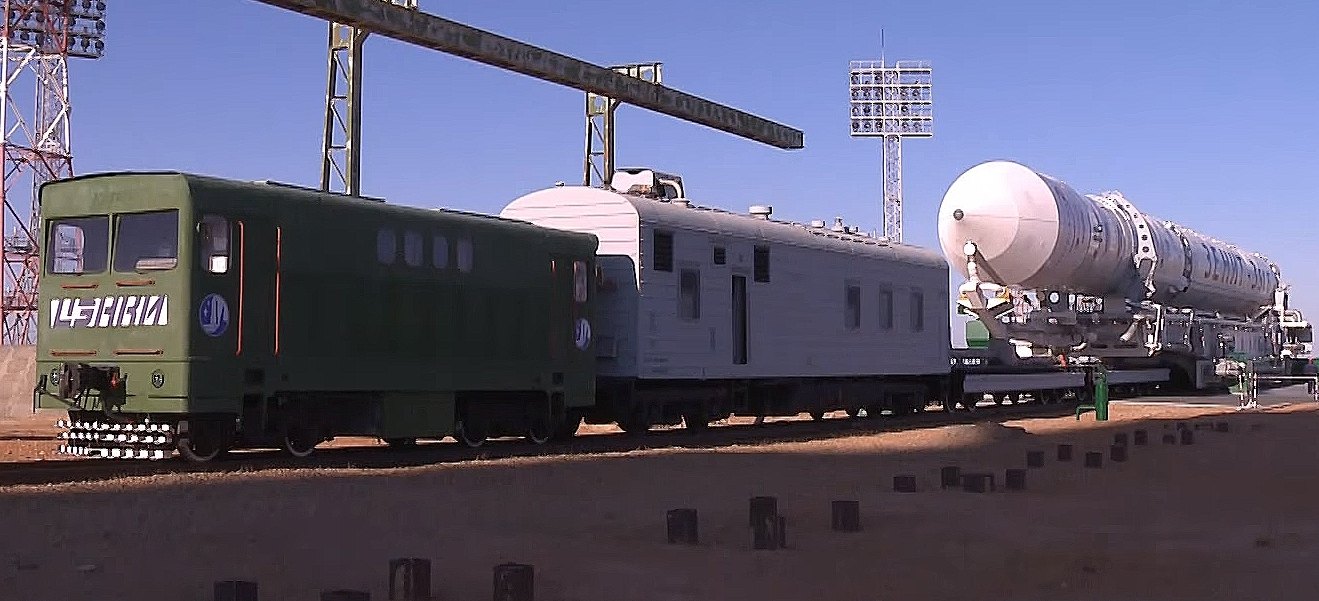
Orbital Planes: Why the Debris Next Door Is Out of Reach
Two derelicts at the same altitude can be effectively unreachable from one another. The reason is geometry, and it decides which debris a removal mission can afford to visit.
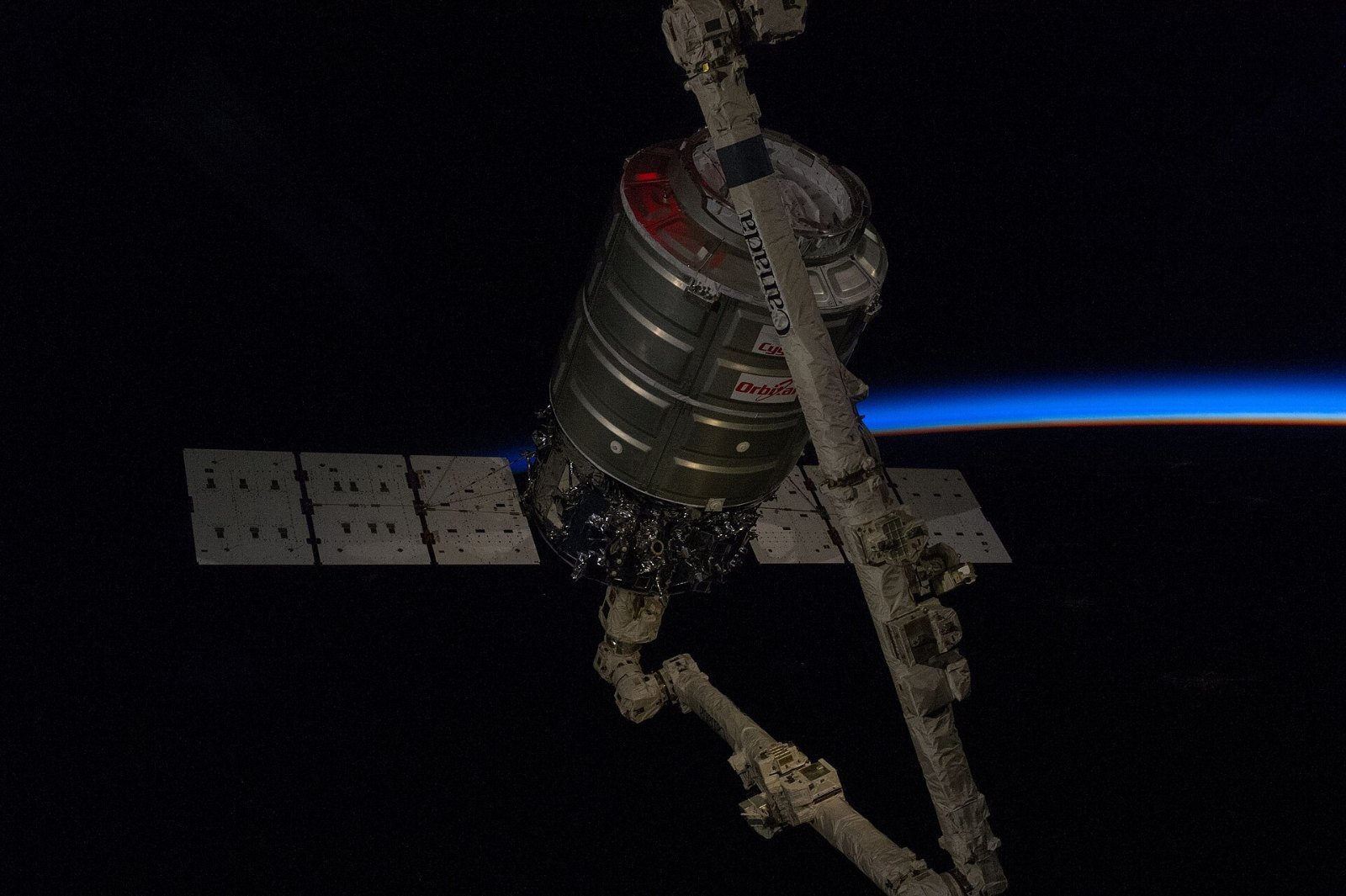
How Robotic Arms Could Grab a Tumbling Rocket Stage
Grappling a dead, uncooperative rocket stage with a robotic arm is the flagship method of debris removal. Nobody has done it yet. Here is how it works and who is about to try.
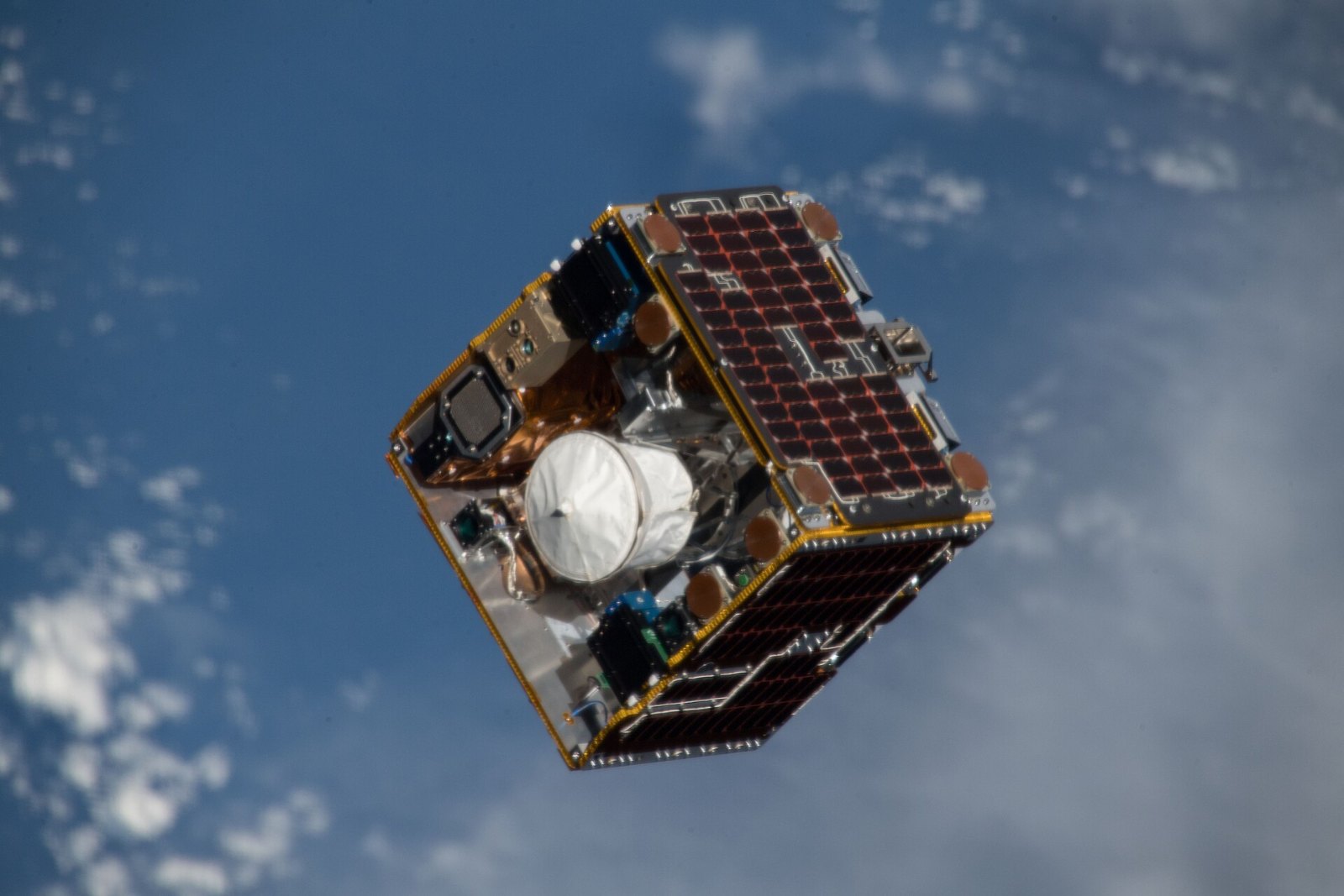
Nets and Harpoons: Lessons From RemoveDEBRIS
A net and a harpoon both hit their targets in orbit in 2018-19. Here is how each works, why nets suit fragile tumbling debris better, and what the tests did not prove.
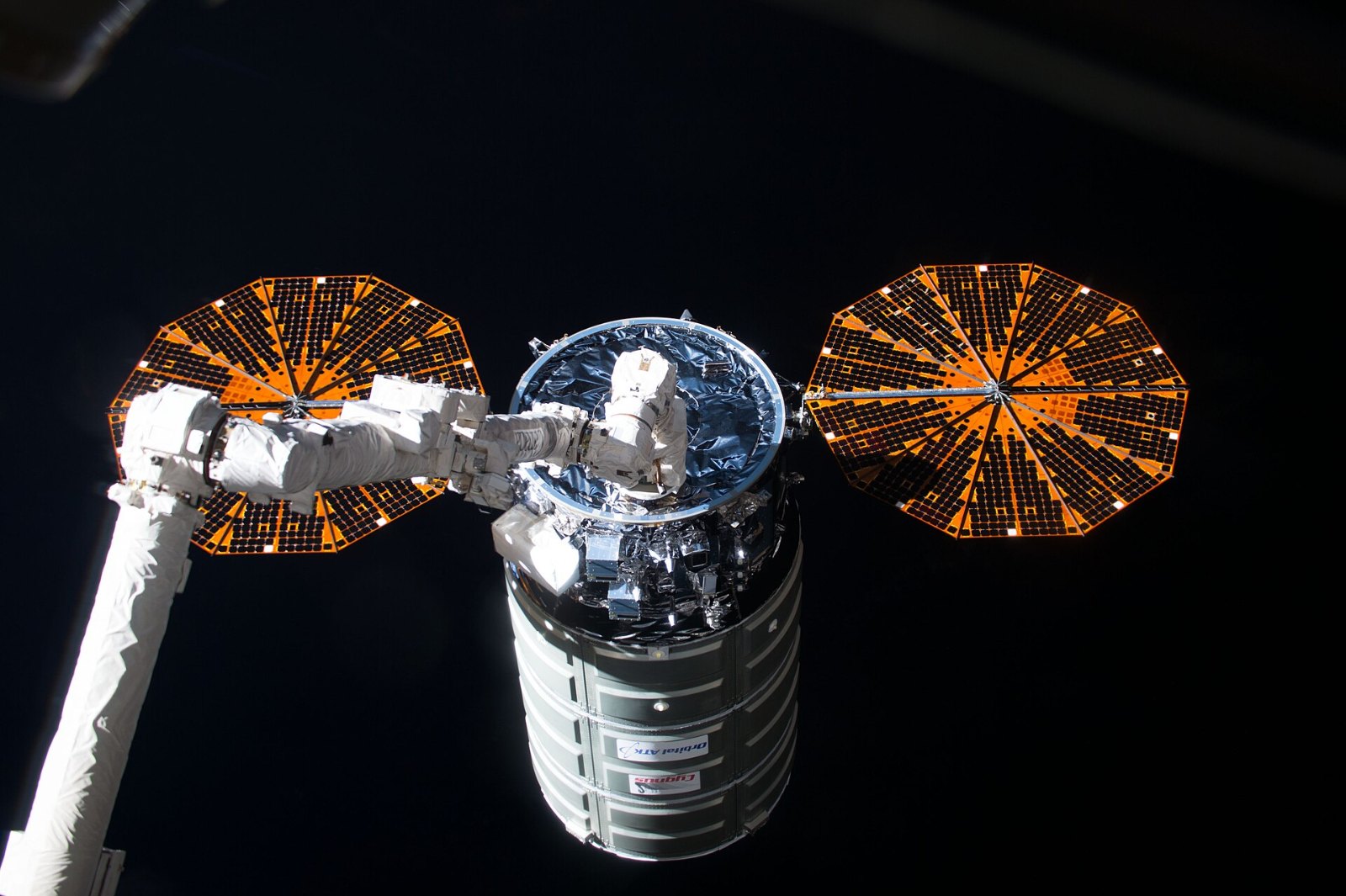
Magnetic Docking Plates and Designing for Removal
A small plate bolted on before launch can turn a future debris removal from a robotics gamble into a routine docking. Here is how it works, what ELSA-d proved, and why design matters most.
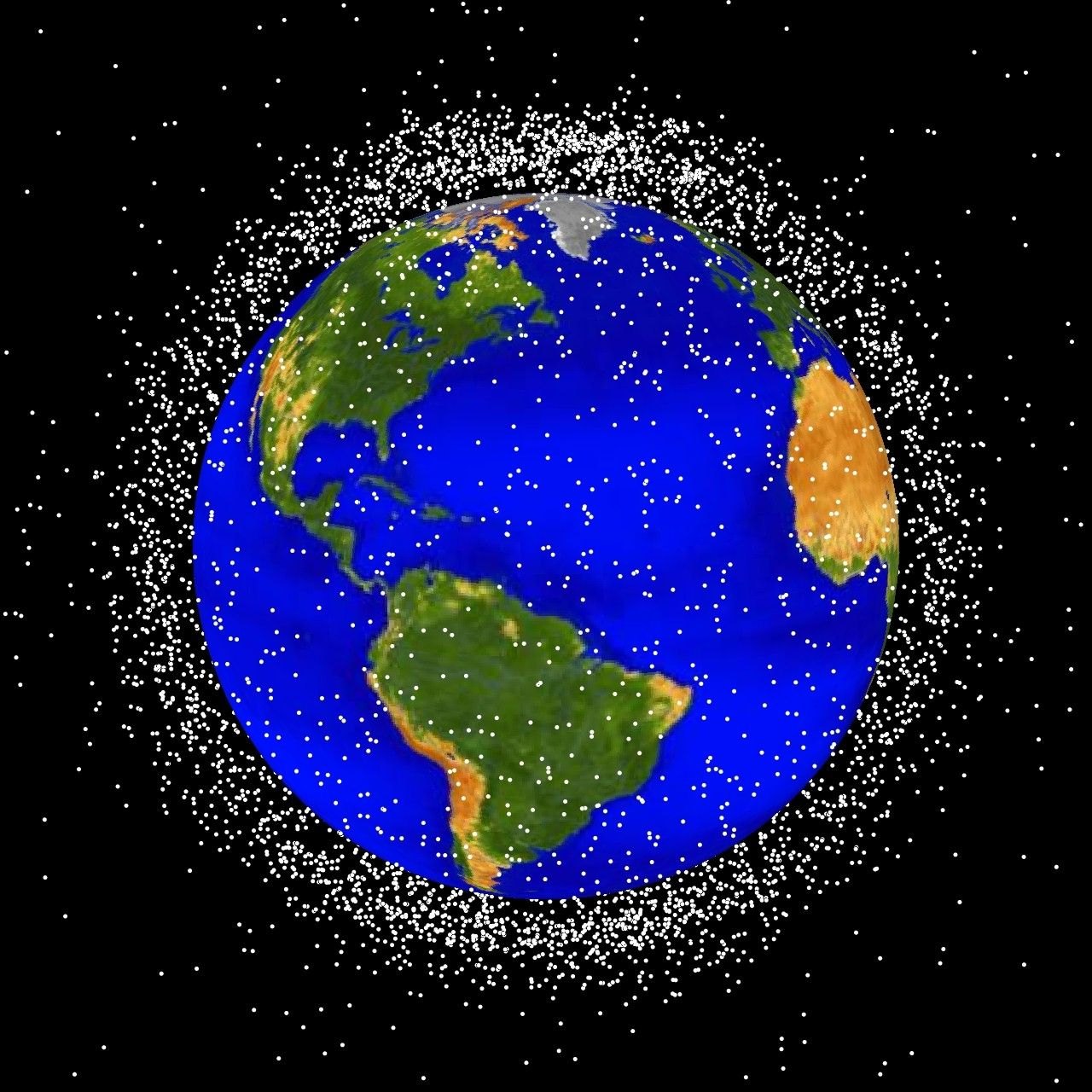
Just-in-Time Collision Avoidance: Nudging Dead Objects Apart
Two dead objects cannot dodge each other. Just-in-time collision avoidance would move one of them hours before impact, using a puff of particles or a laser. Here is how, and why it pairs with removal.
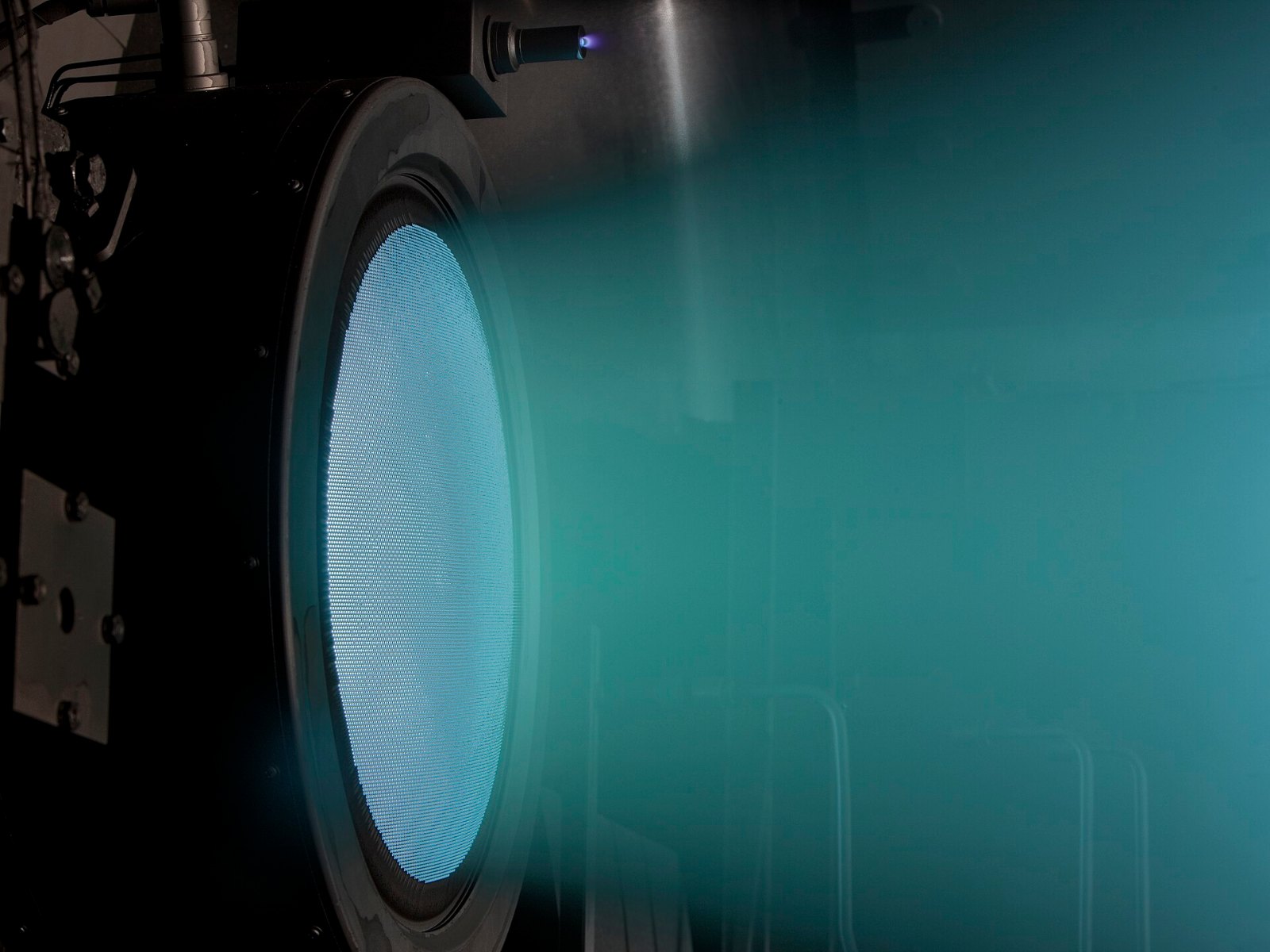
The Ion Beam Shepherd: Moving Debris Without Touching It
What if you could push a 9-tonne rocket stage down without ever grabbing it? The ion beam shepherd uses a thruster plume as a hose. Here is how it works and why it has never flown.
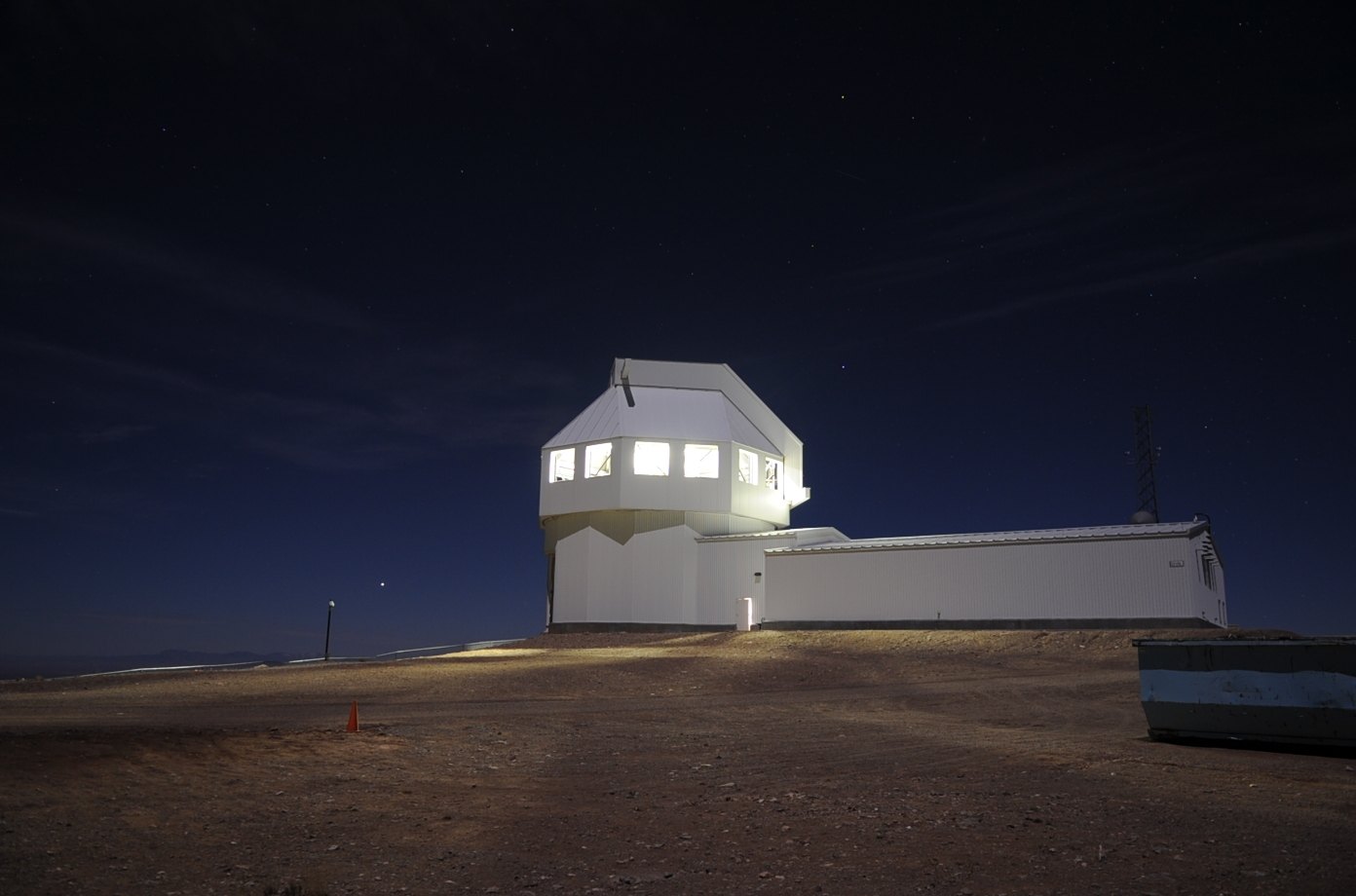
How Space Debris Tracking Actually Works
Radar and telescopes follow tens of thousands of objects, but the most dangerous gap is the debris too small to track and too big to survive. Here is how the catalog works, and where it runs out.
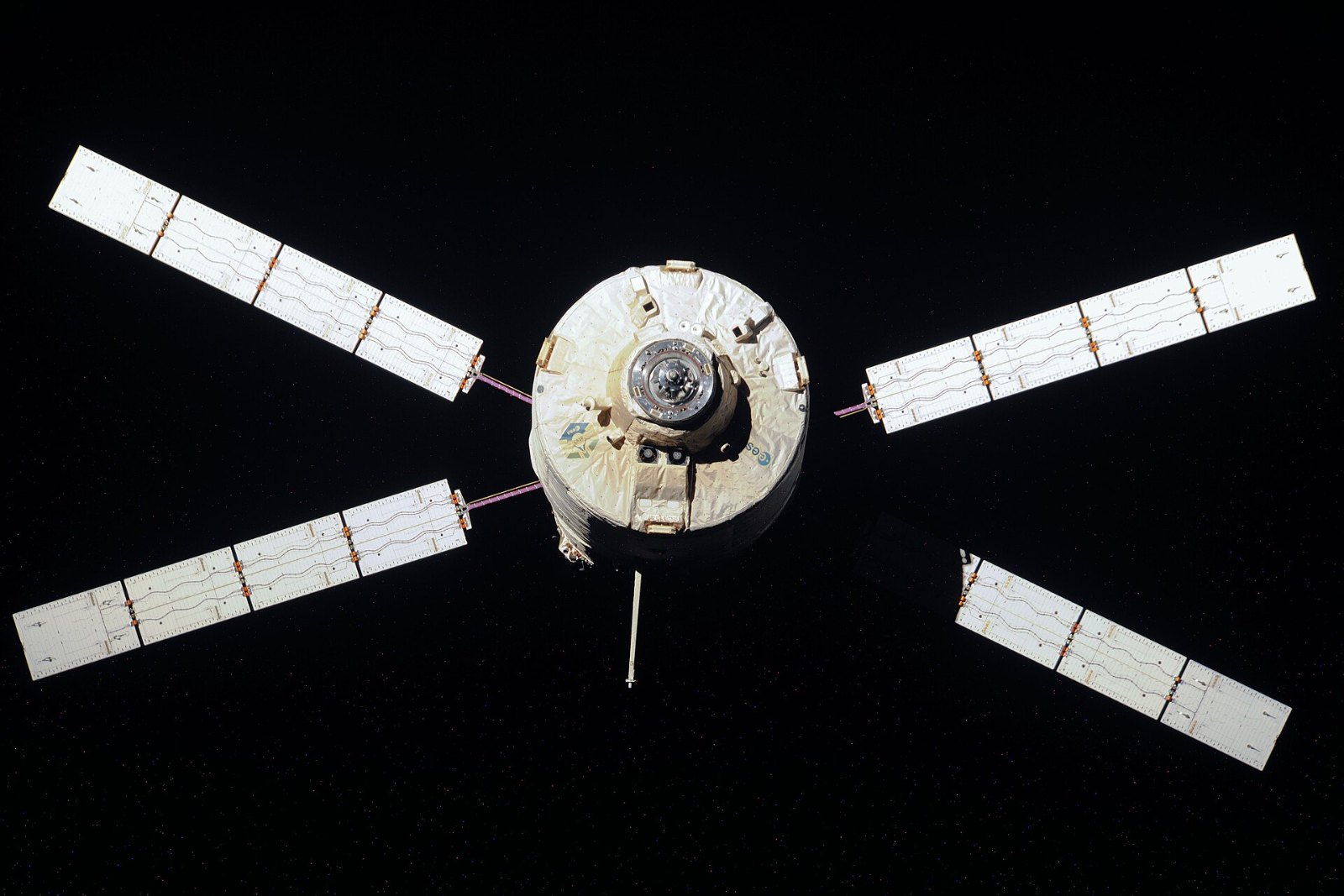
How to Deorbit a Satellite at the End of Its Life
The cheapest debris to remove is the debris never left behind. Here is the end-of-life playbook: passivation, the 25-year and 5-year rules, controlled versus uncontrolled re-entry, and what reaches the ground.
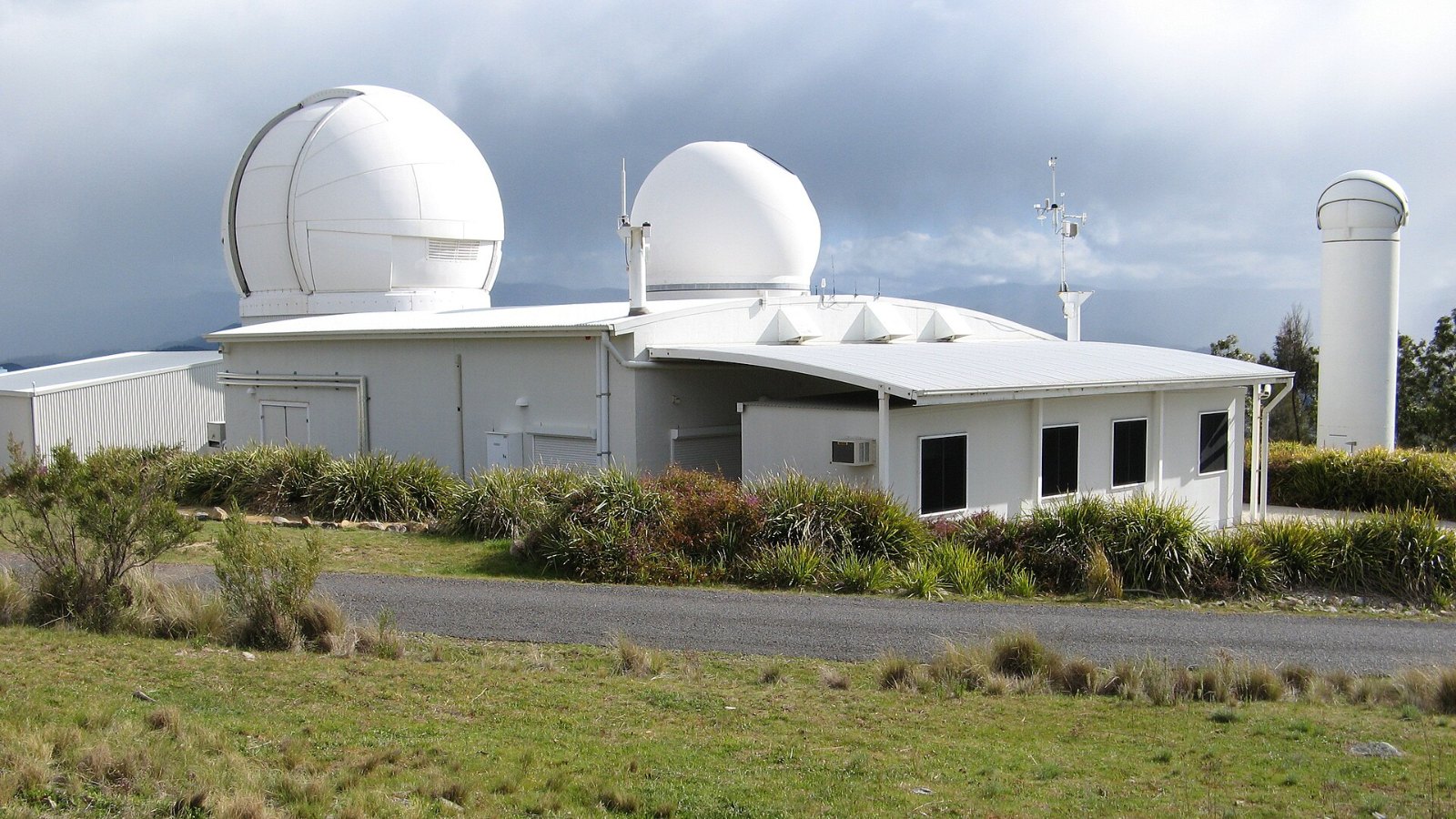
Ground-Based Lasers: Nudging Debris From Earth
A laser on the ground could push a piece of debris just enough to miss a collision. NASA's cost study rates nudging highly. Here is how it works, what exists, and why it makes people nervous.
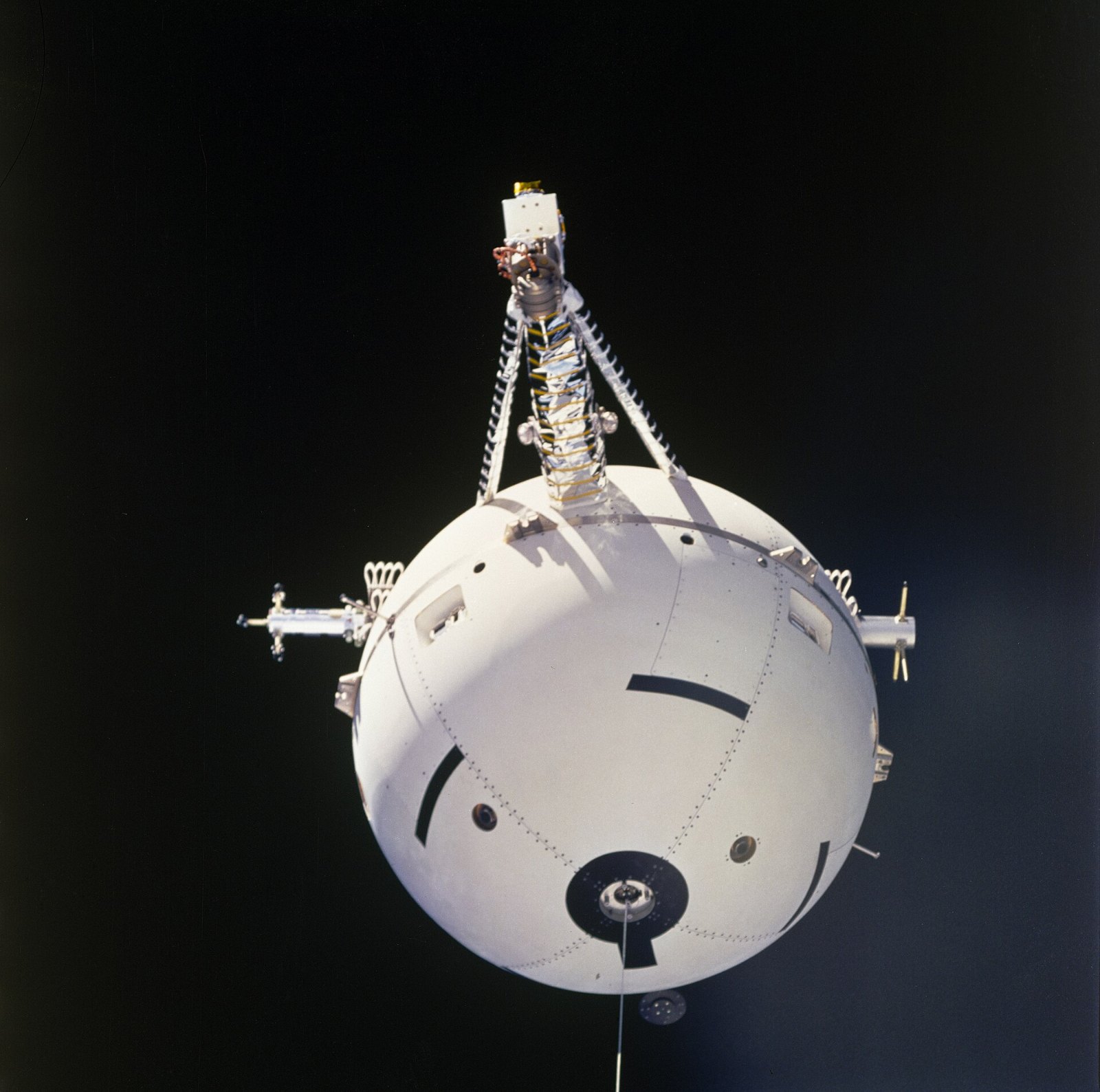
Electrodynamic Tethers and Plasma Brakes, Explained
A long wire moving through Earth's magnetic field can slow a satellite with no fuel at all. The physics is elegant. The flight record, so far, is not.
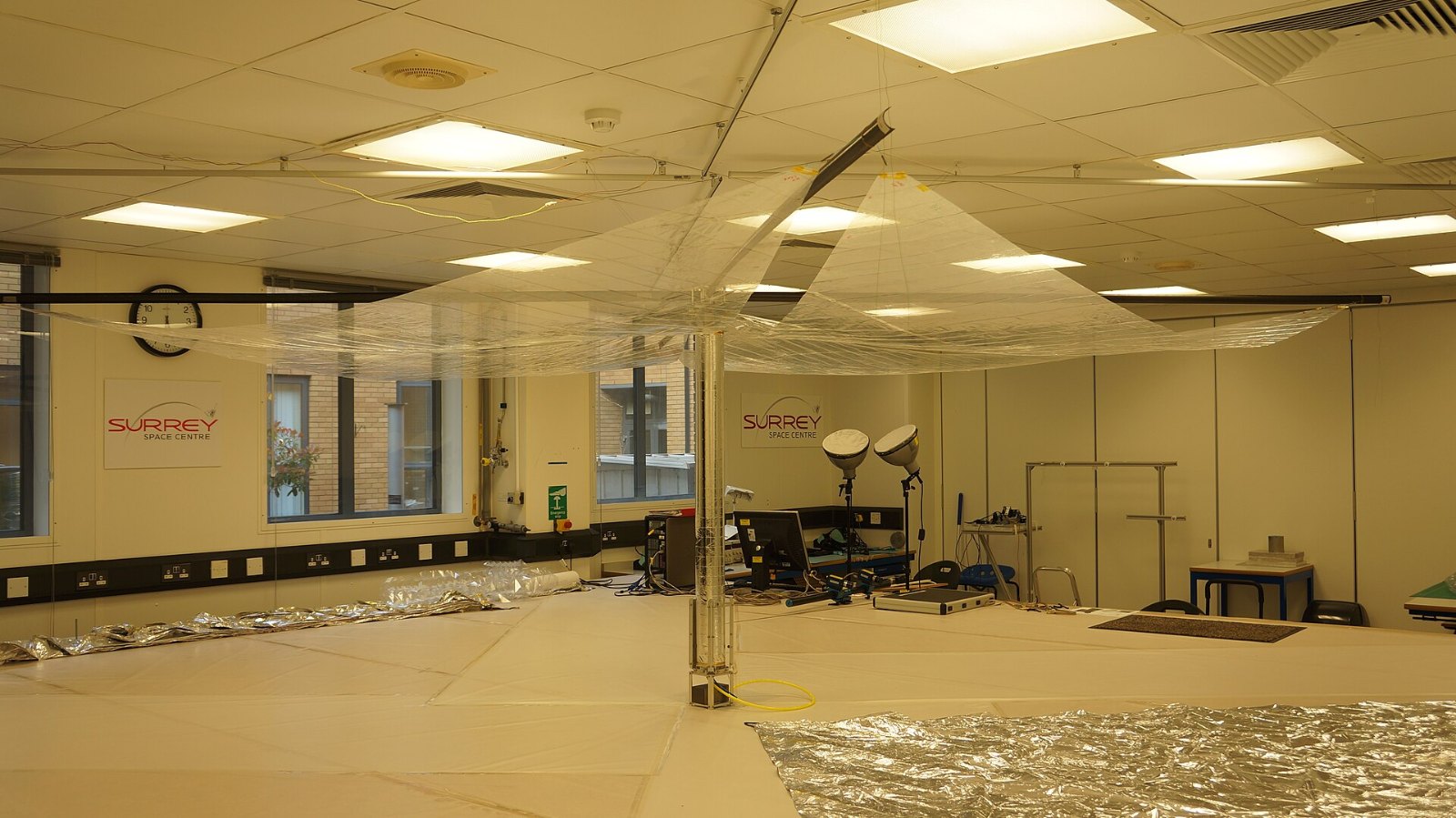
Drag Sails and Inflatables: Using the Air to Clean Orbit
Low Earth orbit still has a trace of atmosphere. Drag sails exploit it by making a satellite bigger and lighter for its size. Here is the physics, the flight record, and where it stops working.