Daily briefing · · 3 min read
Orbit on 30 September 2026: nothing has come down for three days, and 135 objects are queued below 250 kilometres
Every headline number is identical to yesterday's, and the reentry column has been blank since 27 September. The queue at the bottom of the catalog has not moved either.
What changed
Nothing, and that is the report. There are 33,697 objects on orbit, 19,607 of them payloads and 14,090 debris and spent rocket bodies, against 70,229 ever catalogued — all four identical to yesterday's to the object GCAT. The highest catalog number is still 100,880, so nothing has been added since the 28 September Starlink batch.
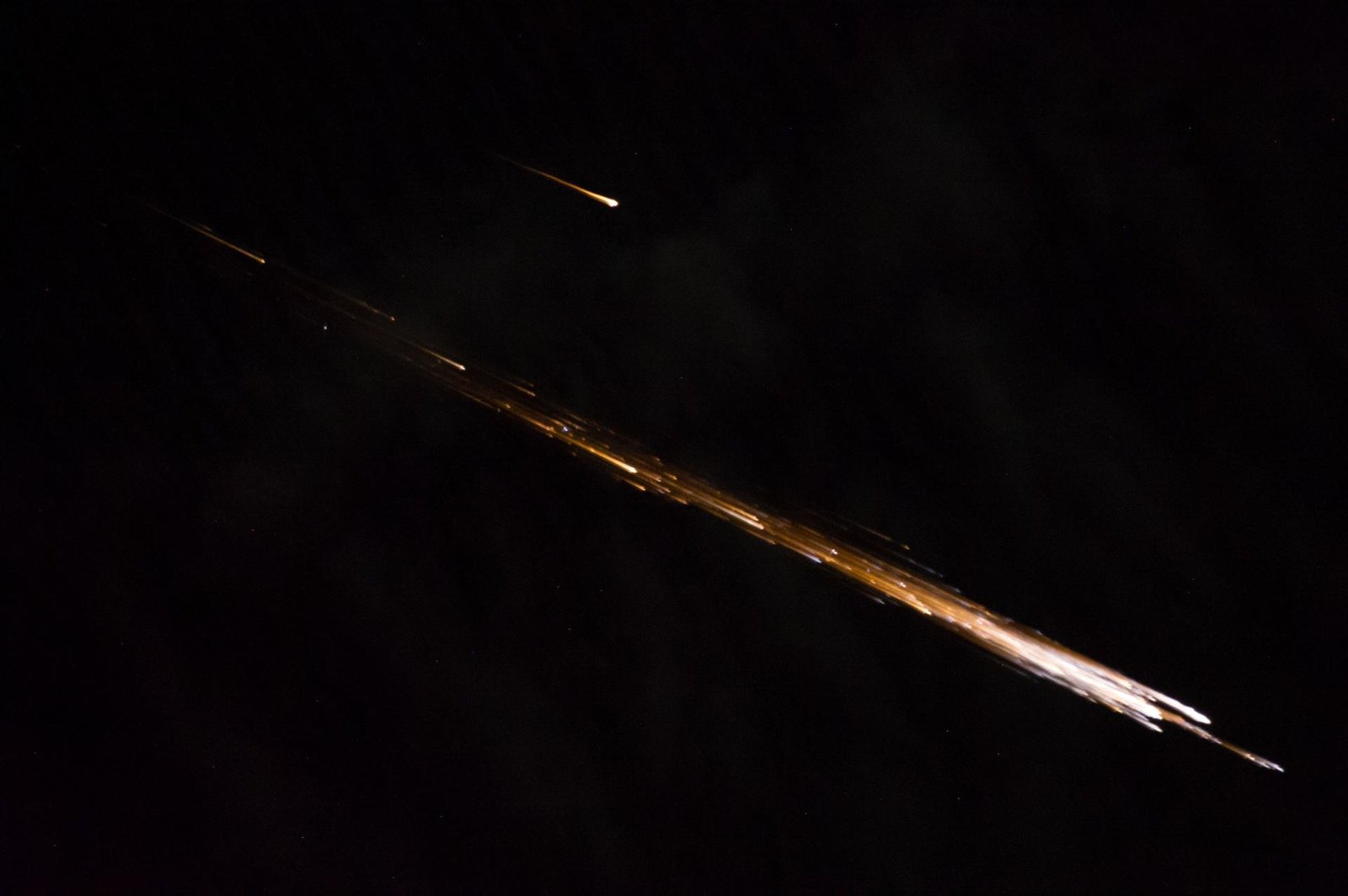
The exit is quieter still. The most recent reentry on the books is the third stage of CZ-3B flight Y116, down on 27 September after a 16 June launch GCAT. That is three days with an empty column. Six objects have decayed in the last seven days and 76 in the last thirty — down from yesterday's 82, not because anything reversed but because the rolling window slid past six decays at its far end.
The queue at the bottom
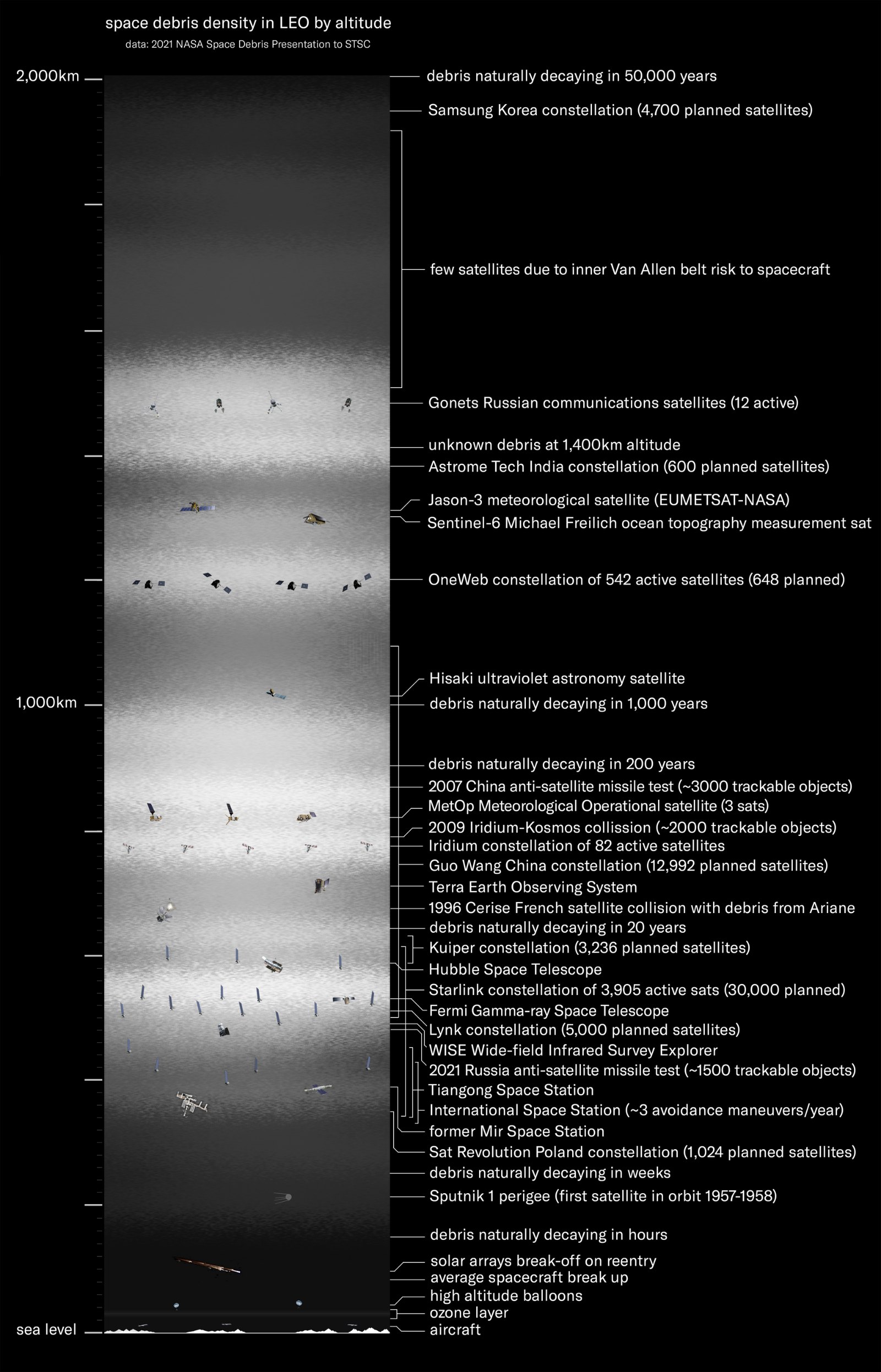
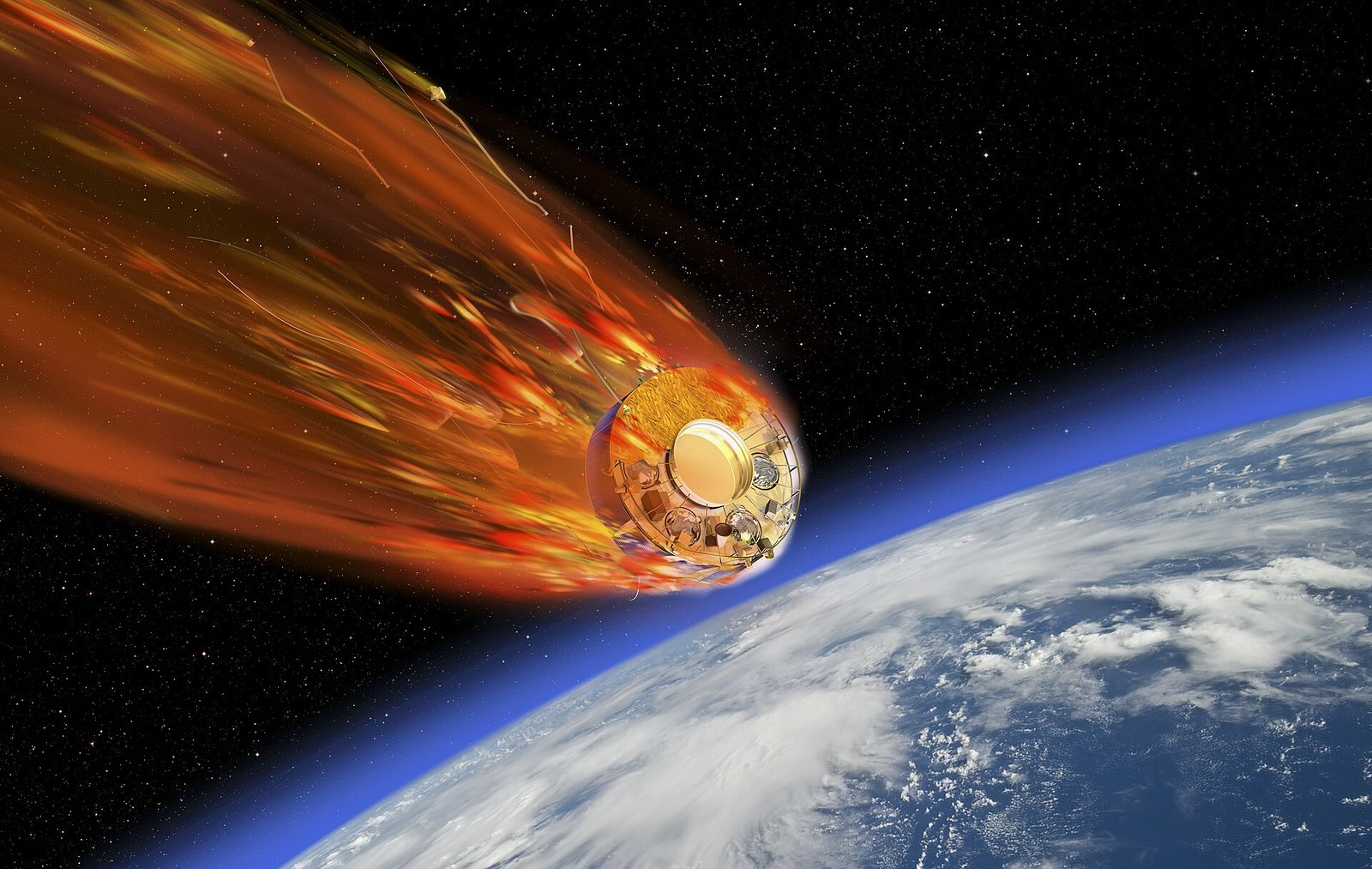
The interesting number on a flat day is the one holding rather than moving. There are 135 catalogued objects with a perigee below 250 kilometres, exactly as many as yesterday, when that figure had just jumped from 114 GCAT. Below 250 kilometres an orbit has days or weeks, so this is a queue rather than a population: 627 objects sit in the 200 to 300 kilometre shell and 1,044 in the 300 to 400 kilometre shell, and Starlink accounts for 1,293 of everything below 400 kilometres. A frozen count with a blank exit column is element-set lag over three days, not a change in the sky.
Crowding is unchanged and still lopsided in the way that matters: 10,212 objects between 400 and 500 kilometres, 10,028 of them working payloads, against 2,769 between 800 and 900 kilometres of which 2,498 are debris GCAT. The busy shell is alive and self-clearing. The dead shells are higher, and the atmosphere will not reach them on any schedule a company or a government plans against.
Object of the day: a fragment of Ariane flight V26, thirty-eight years on
The lowest piece of debris in the catalog today is object 23966, listed as debris from Ariane flight V26, on a 169 by 1,459 kilometre orbit as of its 20 September element set GCAT. Its parent flew on 28 October 1988 and put the French broadcasting satellite TDF-1 into geostationary transfer orbit. The H-10 third stage that did the work, catalogued as 1988-098B at a dry mass of 2,000 kilograms, carries an end date of 22 December 1988, and nine debris objects carry a separation date from it on that same day GCAT.
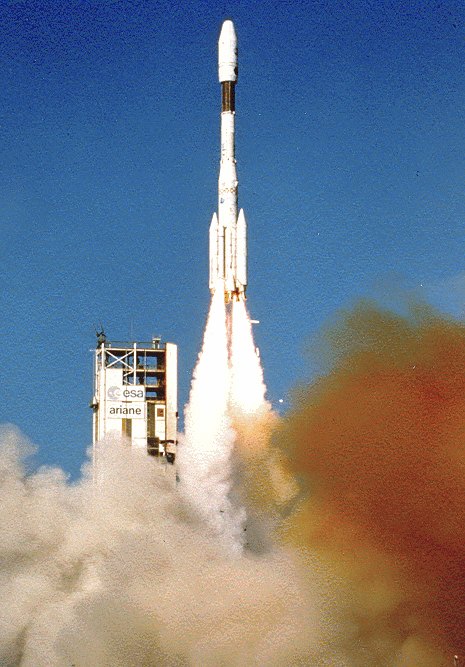
The public record does not state a cause for that one, and this briefing will not guess at it. It belongs to a pattern, though: an Ariane third stage broke up in 1986, and NASA's fragmentation history credits the response of Arianespace and ESA to it as an early sign that launch operators meant to behave responsibly NASA ODPO. Of the nine fragments from 1988, five reentered between 1992 and 2006 and four are still up. ESA's latest environment report puts the two-decade average at 9.8 non-deliberate fragmentations a year ESA. Today's explainer on passivation covers the engineering meant to end that.
ClearOrbit's view
A day with no arrivals and no departures is a reminder of what the catalog measures: not the sky, but the paperwork of the sky, updated when someone updates it. The sky did not pause. The fragment from 1988 spent today crossing every shell between 169 and 1,459 kilometres, as it has for thirty-eight years.
Three of its siblings will do the same tomorrow, and the honest forecast for them is decades. That is the gap we are organising around. The atmosphere clears the queue below 250 kilometres for free; of the 10,843 catalogued debris objects in the low-orbit shells, 10,127 sit above 600 kilometres where it will not reach them this century GCAT. Somebody has to go and get those, and nobody has yet.
Reader mail
Have a better idea?Spotted something we got wrong?
We publish in public so the numbers can be checked. If a figure looks wrong, a source is missing, or you know something this piece should have said, send it over. One box, no sign-up.
Send an idea or correctionQuick question
Who should pay for cleaning up orbit?
Anonymous. You will see how others answered after you vote.