Daily briefing · · 3 min read
Orbit on 1 October 2026: four days with no reentry, and the thirty-day count fell anyway
The catalog has not gained or lost an object in three days. The only figures that moved today moved backwards, as four old decays slid off the far end of the rolling window.
What changed
Nothing arrived and nothing left. There are 33,697 objects on orbit, 19,607 of them payloads and 14,090 debris and spent rocket bodies, against 70,229 catalogued since 1957 — every one of those figures identical to yesterday's, to the object GCAT. The highest catalog number is still 100,880, where it has stood since the twelve Starlinks of the 28 September launch were booked against the list. That is three days without a new object entering the catalog.
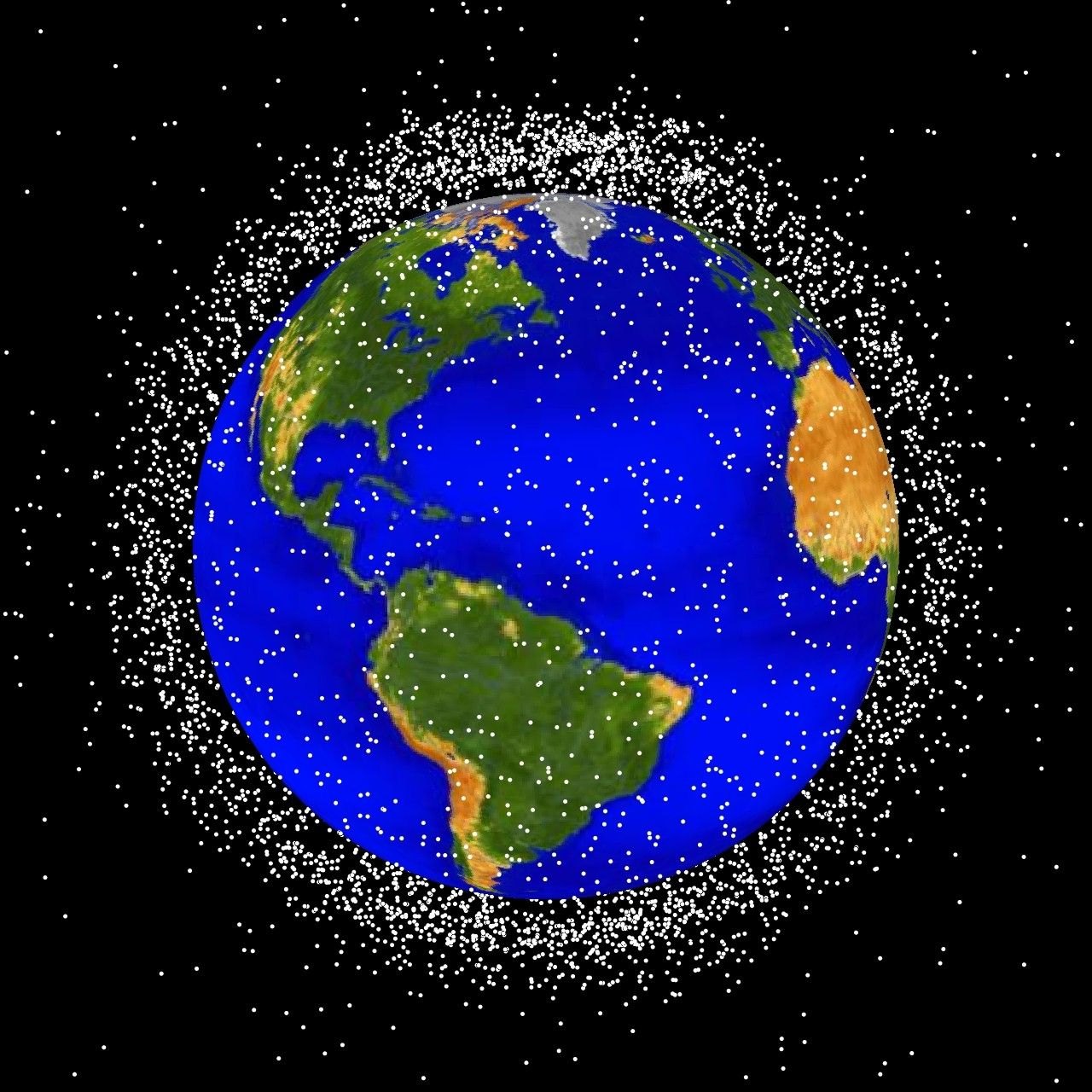
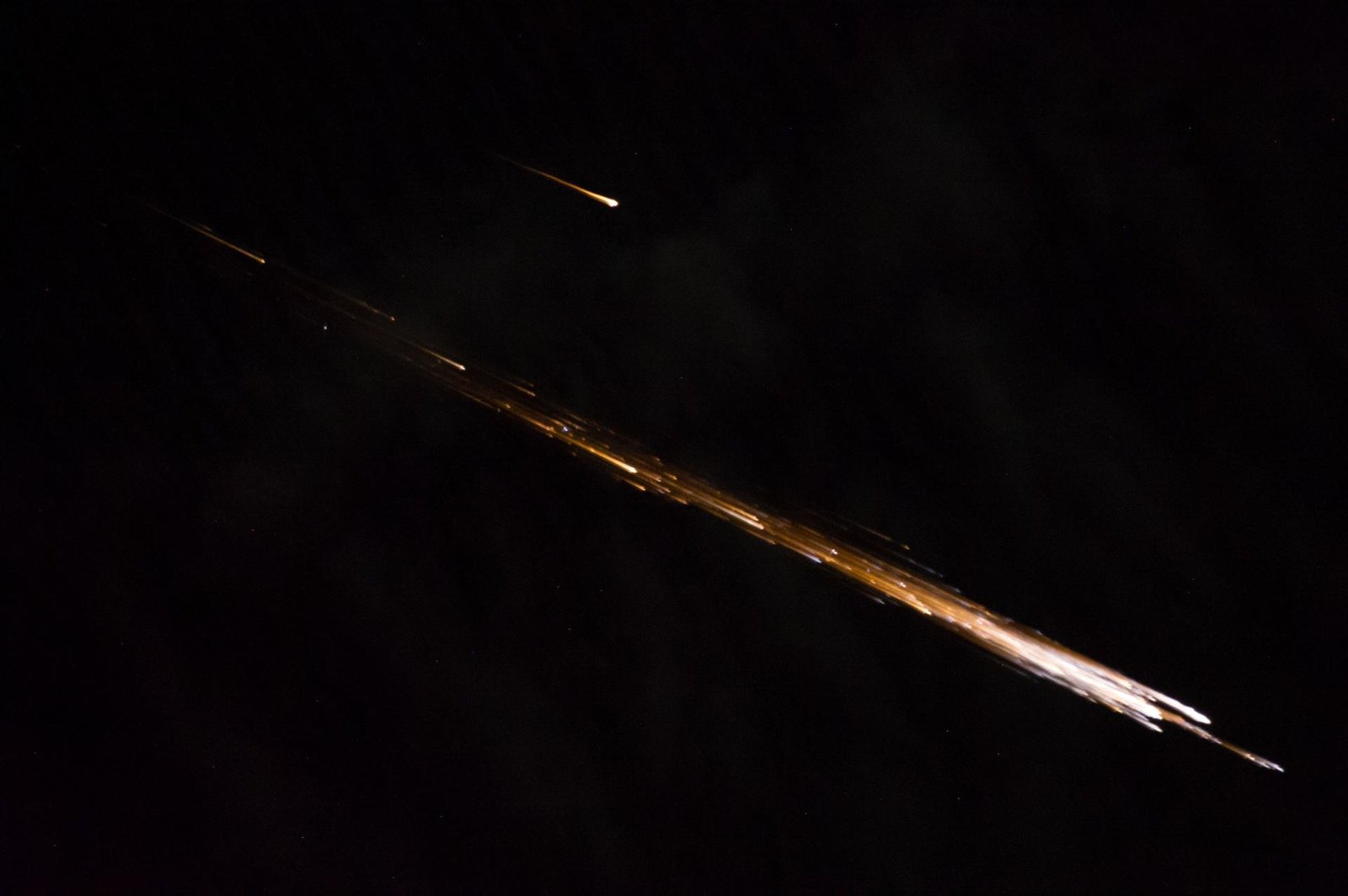
The only numbers that moved today moved backwards. Five objects have decayed in the last seven days, down from six yesterday, and 72 in the last thirty, down from 76 GCAT. Nothing reversed; reentry is not a reversible event. The rolling windows simply slid forward across an empty stretch and dropped four old decays off their far end. The most recent reentry on the books is still the third stage of CZ-3B flight Y116, down on 27 September after a 16 June launch GCAT. Four days, and the exit column is blank.
The queue that is not moving either
There are 135 catalogued objects with a perigee below 250 kilometres, the same count as yesterday and the day before GCAT. The lowest of them is Tianfu Dongpo 01 at 131 by 148 kilometres, on an element set dated 27 September, with EagleEye behind it at 139 by 157 kilometres from 23 September GCAT. Below 250 kilometres an orbit has days, not years, so element sets that old do not describe where those satellites are tonight. A frozen queue beside a blank exit column is the tracking cadence showing through, not a pause in the sky; the catalog will catch up in a batch, as it did on 29 September.
The shape of the crowding has not changed in weeks: 10,212 objects between 400 and 500 kilometres, 10,028 of them working payloads, against 2,769 between 800 and 900 kilometres of which 2,498 are debris GCAT. The busy shell is alive and self-clearing. The dead one is higher.
Object of the day: Starlink 1068, the sixtieth of the first sixty
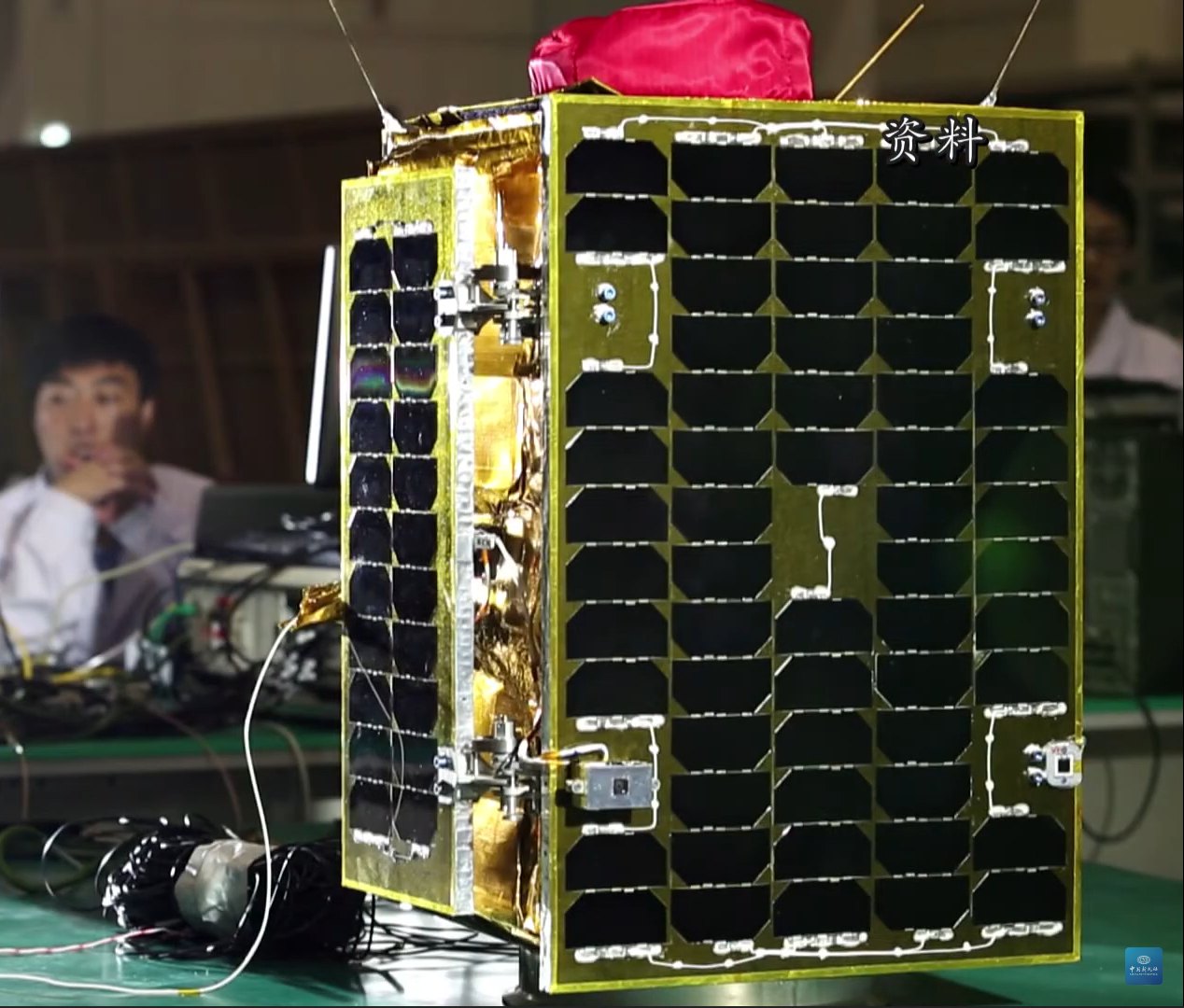
Starlink 1068 sits on a 148 by 155 kilometre orbit as of its 28 September element set, which leaves it days GCAT. GCAT also records what it was: Starlink V1.0-L1-60, the sixtieth satellite of the first operational Starlink launch on 11 November 2019, a 260-kilogram box with a single panel, 248 kilograms of it dry, released into a 297 by 302 kilometre orbit at 53.01 degrees GCAT.
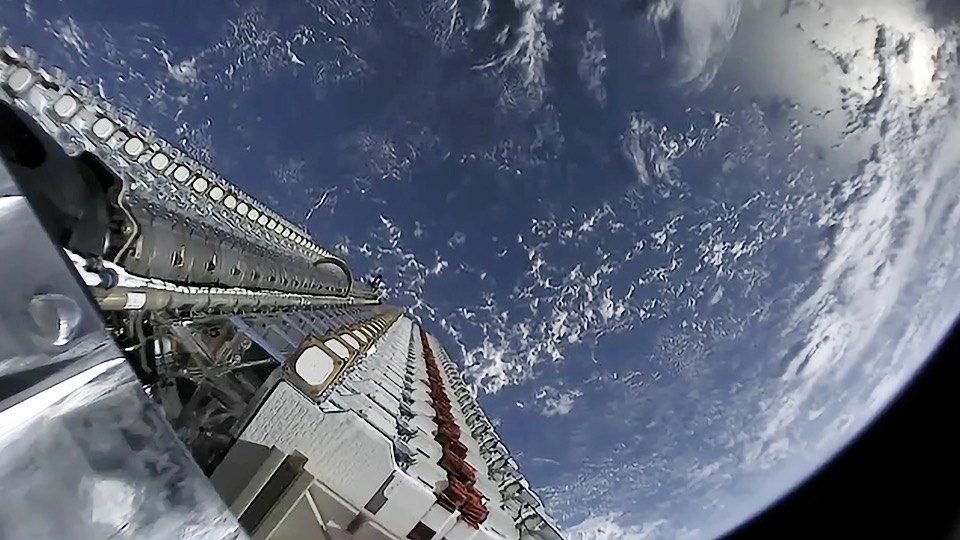
Nearly seven years later it is back near the altitude it was dropped off at, and this time it is not climbing out. Of the 168 objects that reentered in the last sixty days, 50 were Starlinks GCAT. A constellation retiring its own hardware is the clearest Flown case of post-mission disposal at scale, and it works for one reason: these satellites live where the air can finish the job.
Nothing comparable happens higher up, where ESA's model puts roughly 1.5 million objects between 1 and 10 centimetres and more than 17,000 tonnes of material in total ESA DISCOS.
ClearOrbit's view
A quiet week is a useful test of what the catalog's subtraction mechanism can actually reach. Of the 10,843 catalogued debris objects in the low-orbit shells, 10,127 are above 600 kilometres GCAT. Four blank days in the reentry column cost those objects nothing, and four hundred would cost them nothing either. Drag has a ceiling, and almost everything we worry about is parked above it.
Below that line the right answer is already flying: design for disposal, lower the satellite yourself, let the atmosphere close the account. Above it every answer is still Proposed — nets, arms, tethers, ion beams, none yet used on a real derelict. Closing that gap is the ClearOrbit vision: treating the 14,090 objects in the debris and rocket-body columns as a backlog with an owner rather than a number that only goes up.
We will know it is working on the first day that column falls because somebody went and got something. Today it did not move at all, which is the usual kind of day.
Reader mail
Have a better idea?Spotted something we got wrong?
We publish in public so the numbers can be checked. If a figure looks wrong, a source is missing, or you know something this piece should have said, send it over. One box, no sign-up.
Send an idea or correctionQuick question
Who should pay for cleaning up orbit?
Anonymous. You will see how others answered after you vote.