Daily briefing · · 3 min read
Orbit on 2 October 2026: five reentries booked at once, all of them back-dated to September
The blank exit column filled in a single batch. Five decays entered the catalog today, the newest an object that launched and came down on the same day.
What changed
The catalog subtracted for the first time in five days. There are 33,694 objects on orbit, down three from yesterday: 19,606 payloads and 14,088 debris and spent rocket bodies, with the rocket-body column losing two GCAT. Two new objects were added, taking the catalogued-ever total to 70,231 and the highest catalog number to 100,882, and five objects were moved into the decayed column, which now stands at 37,380 GCAT.
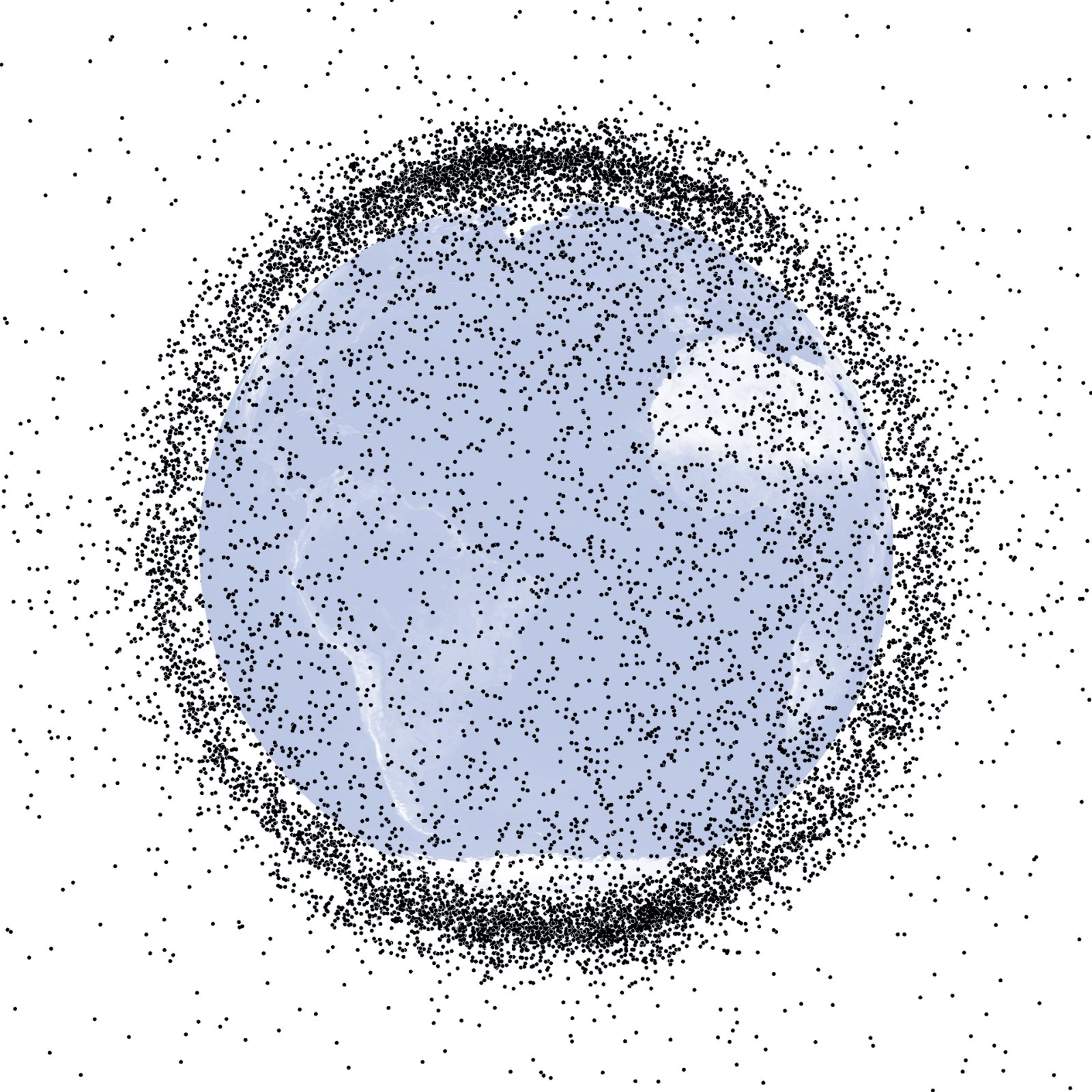
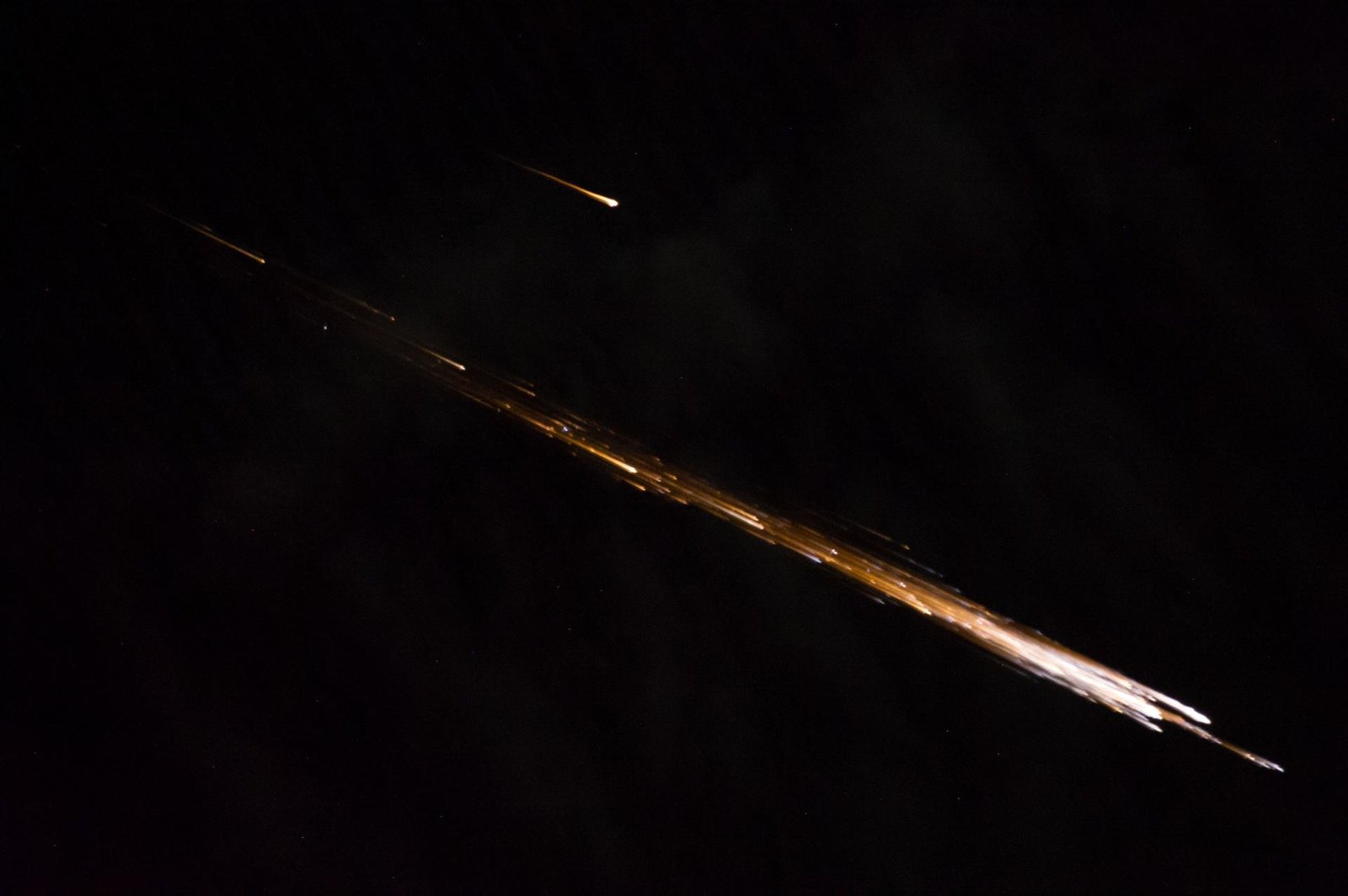
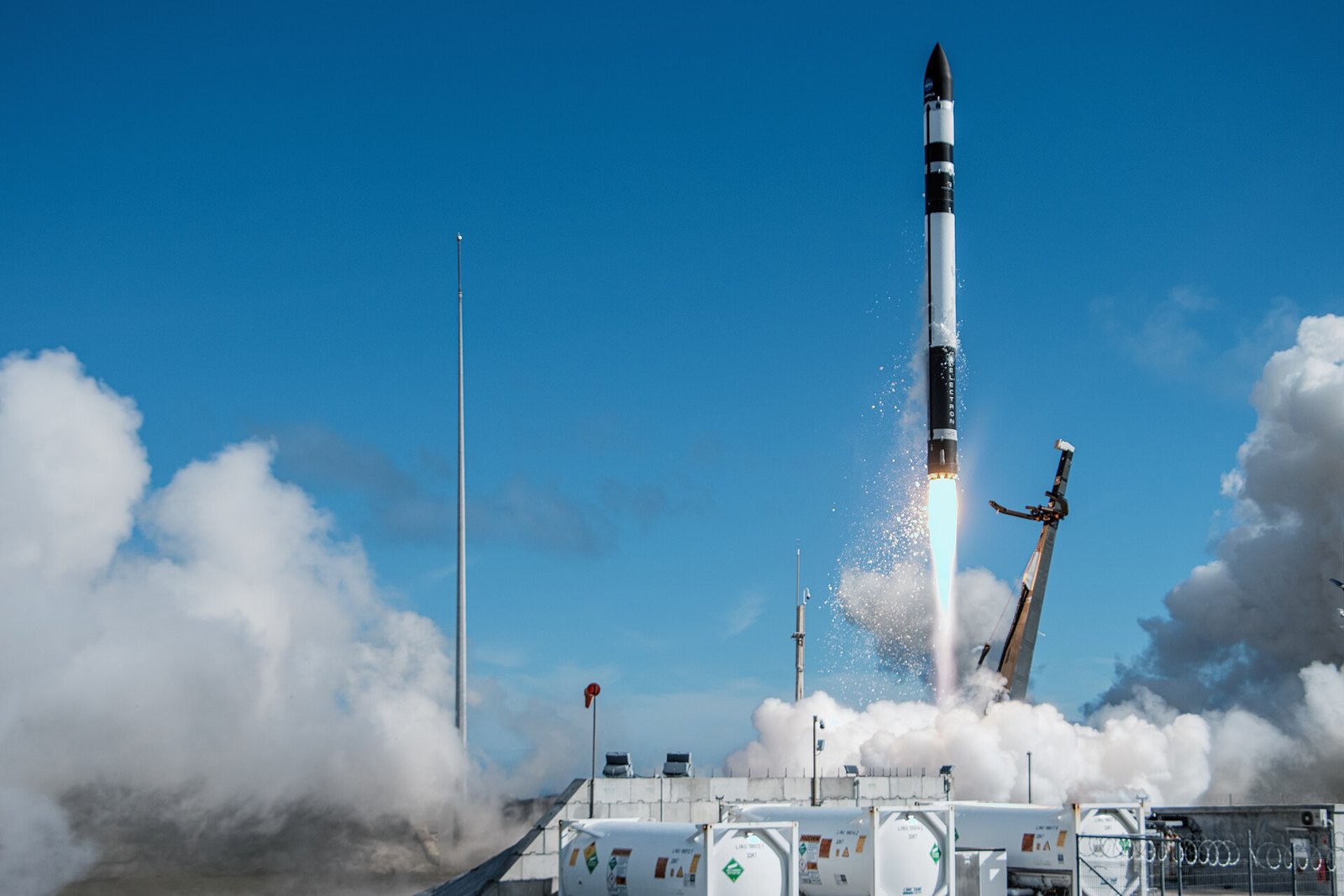
Those five decays are the story, and none of them happened today. The seven-day reentry count doubled from five to ten and the thirty-day count moved from 72 to 73, while the sixty-day total went from 168 to 171 GCAT. The newest reentries now on the books both carry 28 September dates: Starship FT-14, catalog number 100,881, which GCAT records as launched and decayed on the same day, and the second stage of Electron flight 96, launched on 19 September GCAT. Yesterday's briefing read the four-day blank in the exit column as a bookkeeping lag rather than a quiet sky, and said the catalog would catch up in a batch. It did, five days' worth at once.
The queue that moved
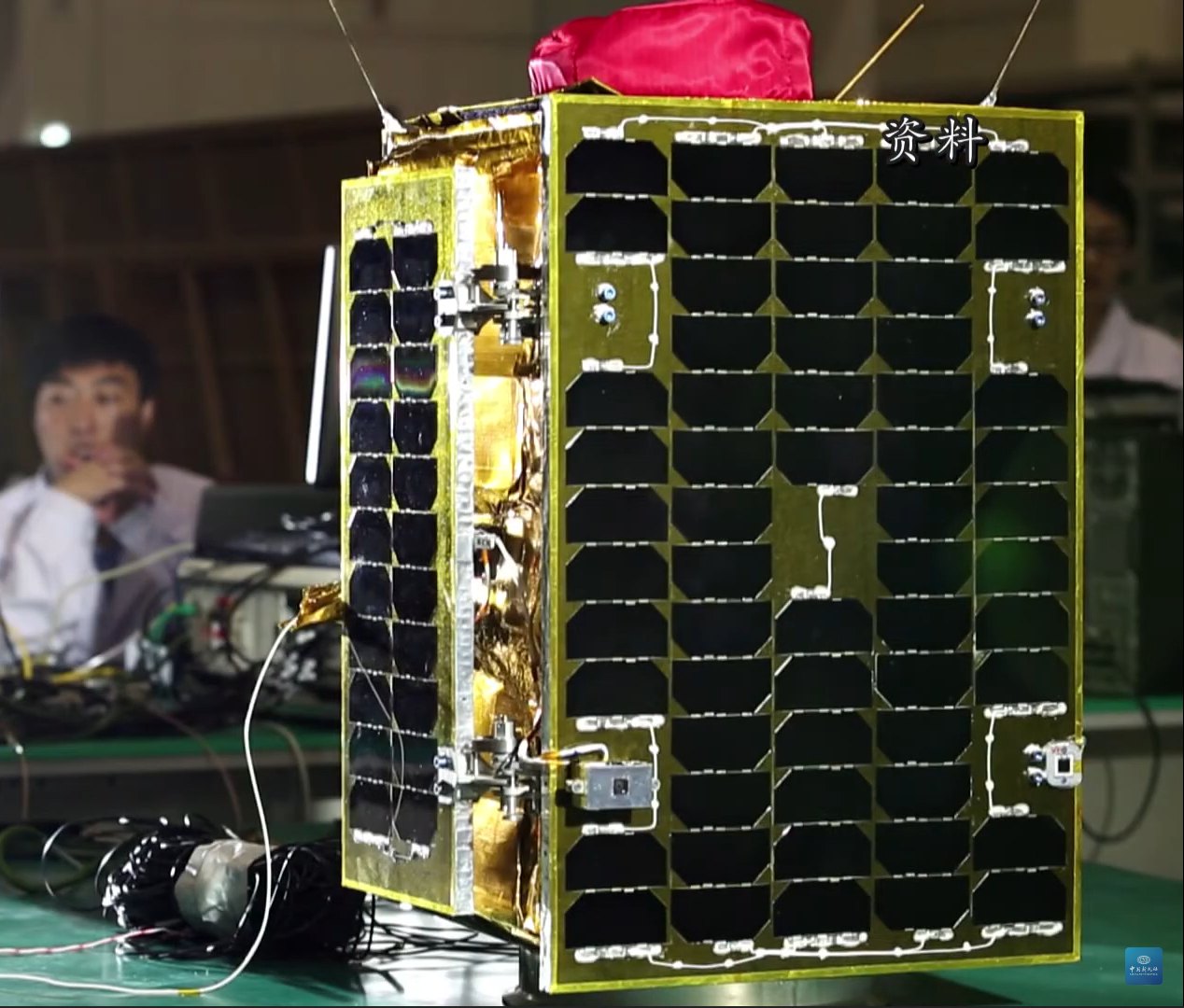
There are now 139 catalogued objects with a perigee below 250 kilometres, four more than the 135 that had held steady since 29 September GCAT. The front of the queue is unchanged: Tianfu Dongpo 01 at 131 by 148 kilometres on an element set dated 27 September, the third stage of Kuaizhou-11 flight Y3 at 133 by 1,823 kilometres from 17 September, and EagleEye at 139 by 157 kilometres GCAT. A queue that grows while the exit column fills is the normal rhythm of a self-clearing shell.
Crowding barely moved. The 400 to 500 kilometre band gained 18 objects to reach 10,230, of which 10,046 are working payloads and 184 are debris. The 800 to 900 kilometre band is unchanged at 2,769, of which 2,501 are debris GCAT. One band is full of satellites that will come down on their own; the other is full of fragments that will not.
Object of the day: Electron 96 Stage 2
The upper stage of Electron flight 96 went up on 19 September and was gone by 28 September, nine days later GCAT. It is the second Electron stage to clear the catalog inside six weeks: the stage from flight 92 launched on 6 August and decayed on 26 September GCAT.
That is what a disposed stage looks like in the data, and it is Flown, not proposed. A stage that finishes its burn low and shallow, or deorbits itself deliberately, leaves no derelict behind. Compare it with the Kuaizhou-11 third stage still sitting in the decay queue on a 133 by 1,823 kilometre orbit: a perigee that low will bring it down, but every pass takes it back up through the crowded shells first.
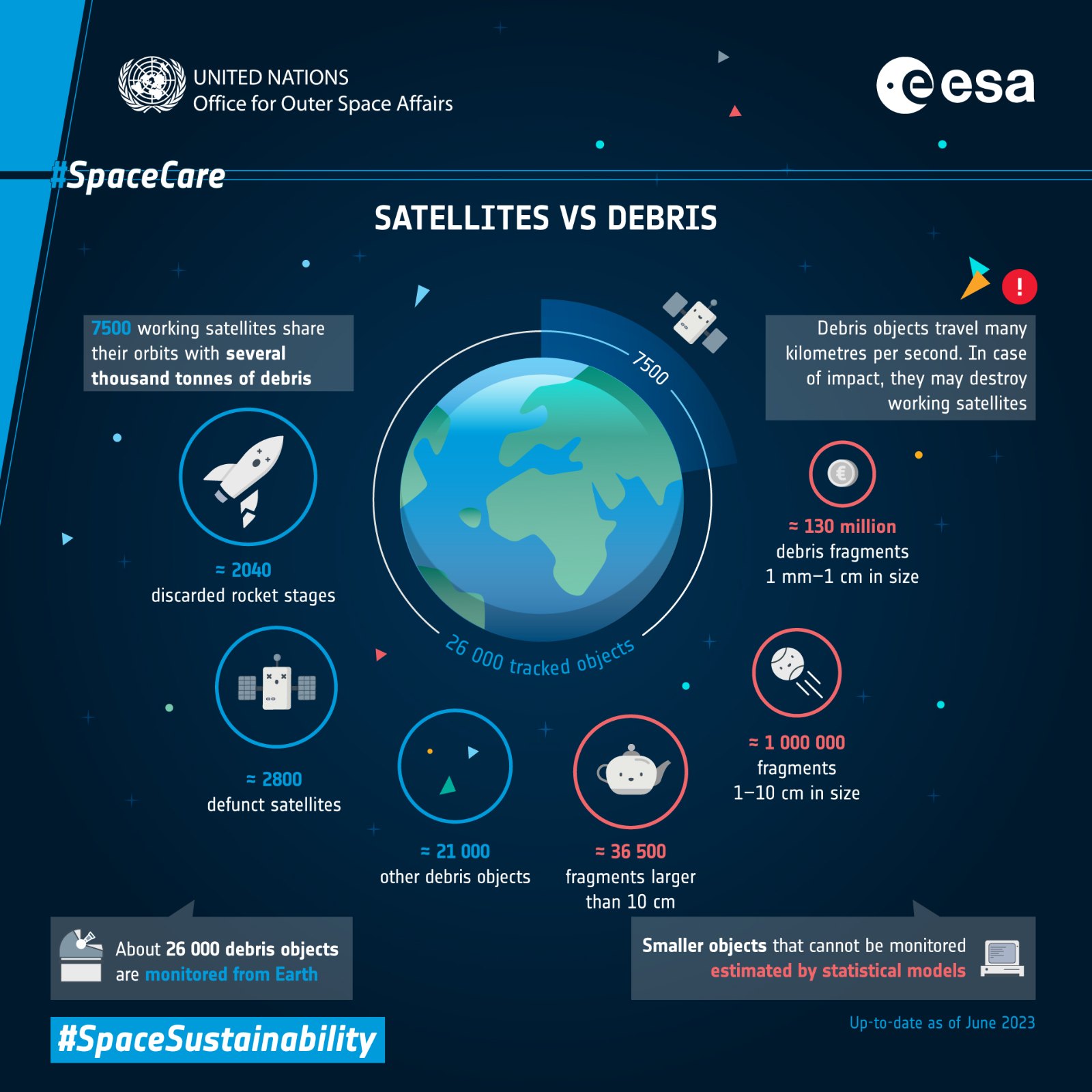
The contrast matters because the stages that do not do this are the worst objects in orbit by mass. ESA's modelling puts more than 17,000 tonnes of material in Earth orbit, with about 47,080 objects regularly tracked and an estimated 1.5 million fragments between 1 and 10 centimetres, most of them produced by the more than 660 break-ups recorded since 1957 ESA DISCOS.
ClearOrbit's view
Five decays arriving at once is a reminder that the catalog is a record of observation, not of physics. Reading it day by day means separating what the sky did from what the trackers got around to writing down, and saying which is which.
The deeper point is where those five objects were. Every one of them was low enough for the atmosphere to finish the job, and that is the only removal mechanism currently operating at scale. Above roughly 600 kilometres the exit column does almost nothing, and that is where the mass sits.
We think the number worth watching is not the daily delta but the day the debris and rocket-body column falls because somebody went up and retrieved something. Nothing in today's five decays was retrieved. They fell.
Reader mail
Have a better idea?Spotted something we got wrong?
We publish in public so the numbers can be checked. If a figure looks wrong, a source is missing, or you know something this piece should have said, send it over. One box, no sign-up.
Send an idea or correctionQuick question
Who should pay for cleaning up orbit?
Anonymous. You will see how others answered after you vote.