Daily briefing · · 3 min read
Orbit on 24 October 2026: eleven objects in this morning's decay queue had already come down
GCAT republished tonight after seven static mornings. Thirteen reentries landed in the seven-day column at once, and most of the decay queue's lowest objects were among them.
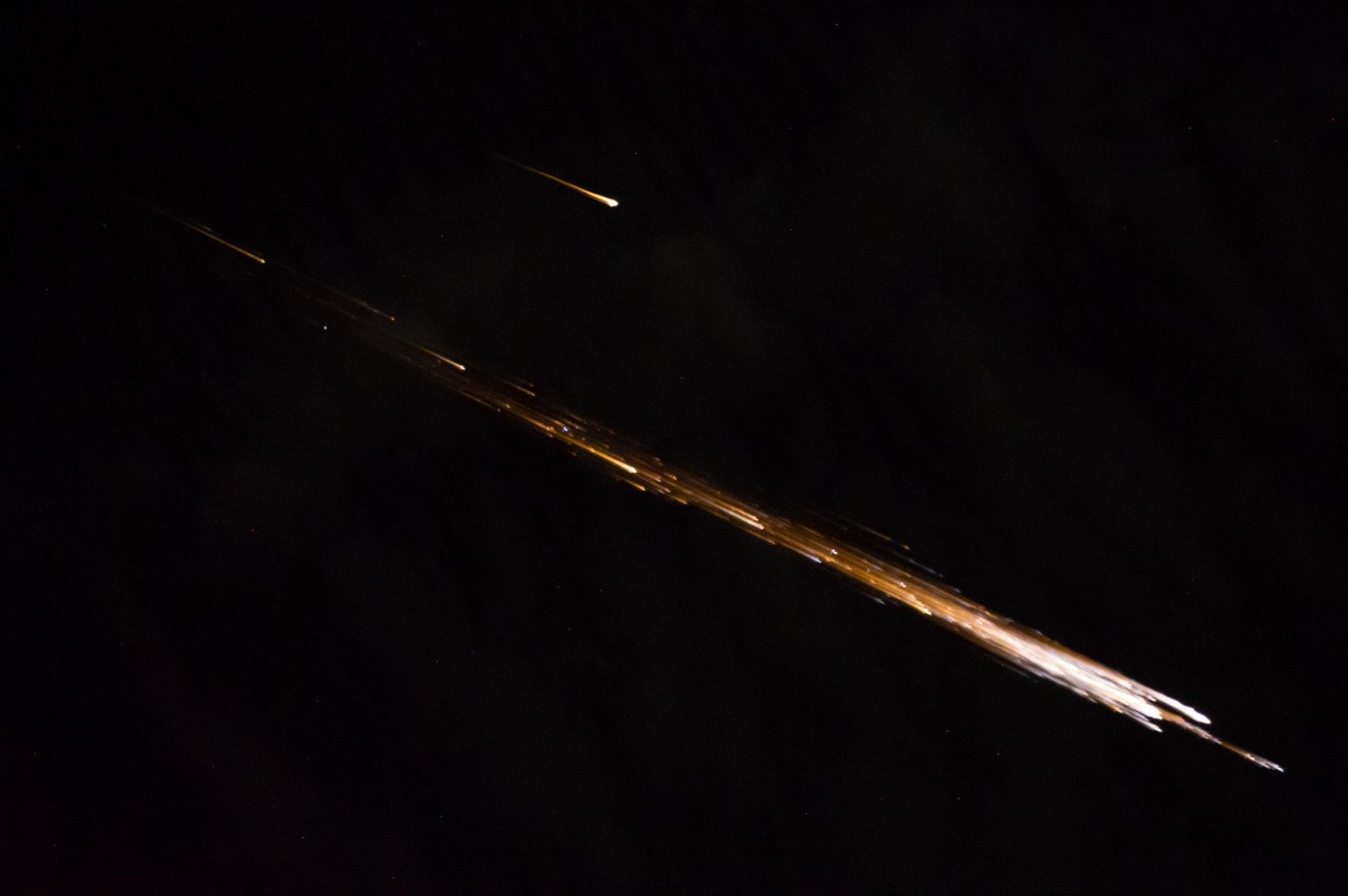
For seven mornings the catalog did not move. It moved tonight: GCAT republished at 19:47 UTC on 24 October, and eleven of the fifteen lowest objects in this site's decay queue a few hours earlier are now recorded as having reentered between 16 and 21 October GCAT. They were never hanging on. The file had stopped, and the queue was reading the past.
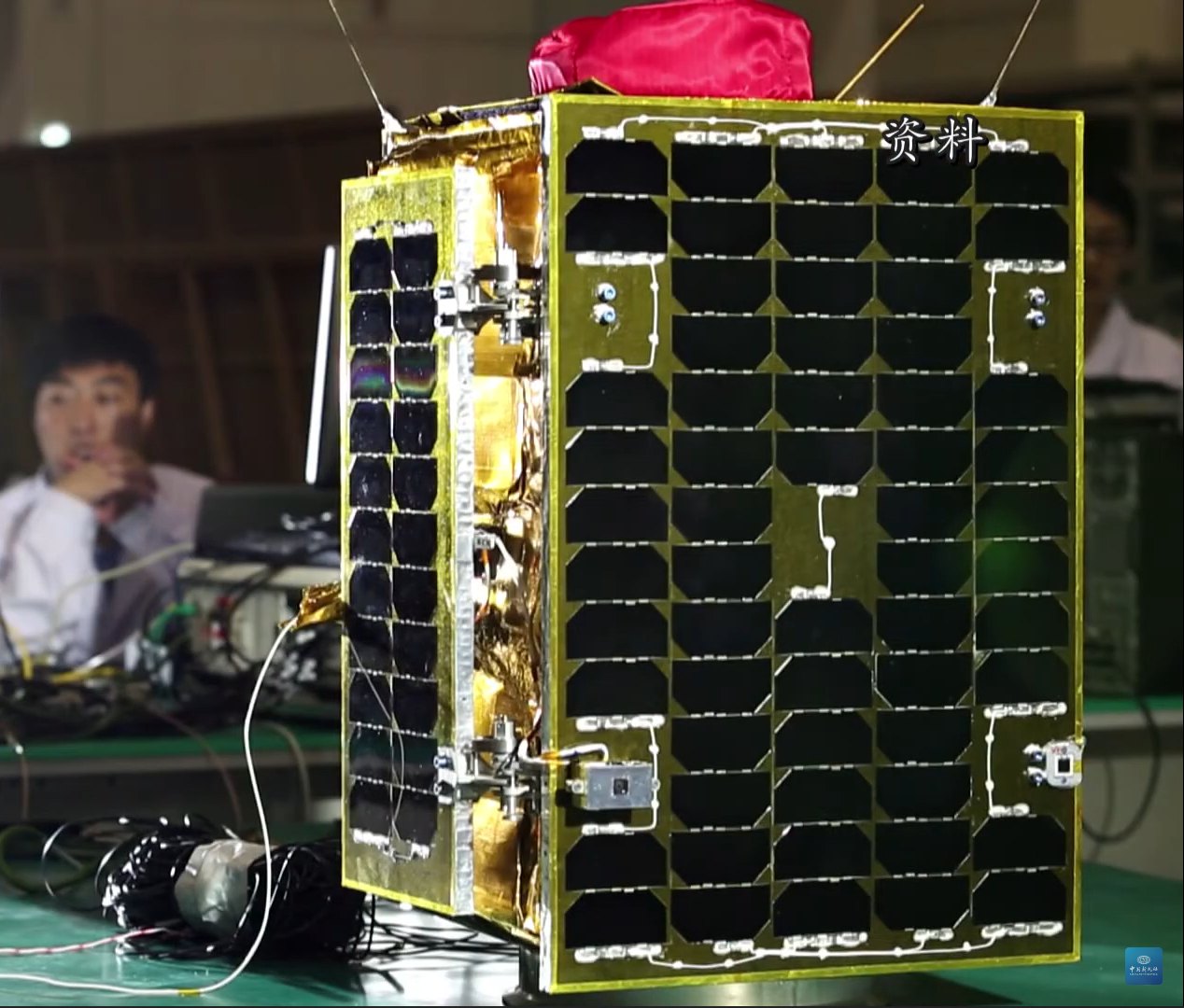
The 22 October briefing asked whether six days of silence meant a quiet sky or an unpublished one. It was an unpublished one. The Zhuque-2E Y4 second stage, listed this morning at a perigee of 133 kilometres, reentered on 18 October; the Planet cubesats Flock 4q-35 and Flock 4q-29 came down on 16 and 17 October, Russia's Kosmos-2572 on 19 October, China's Puyin-1 on 20 October, and six Starlinks between 19 and 21 October GCAT.
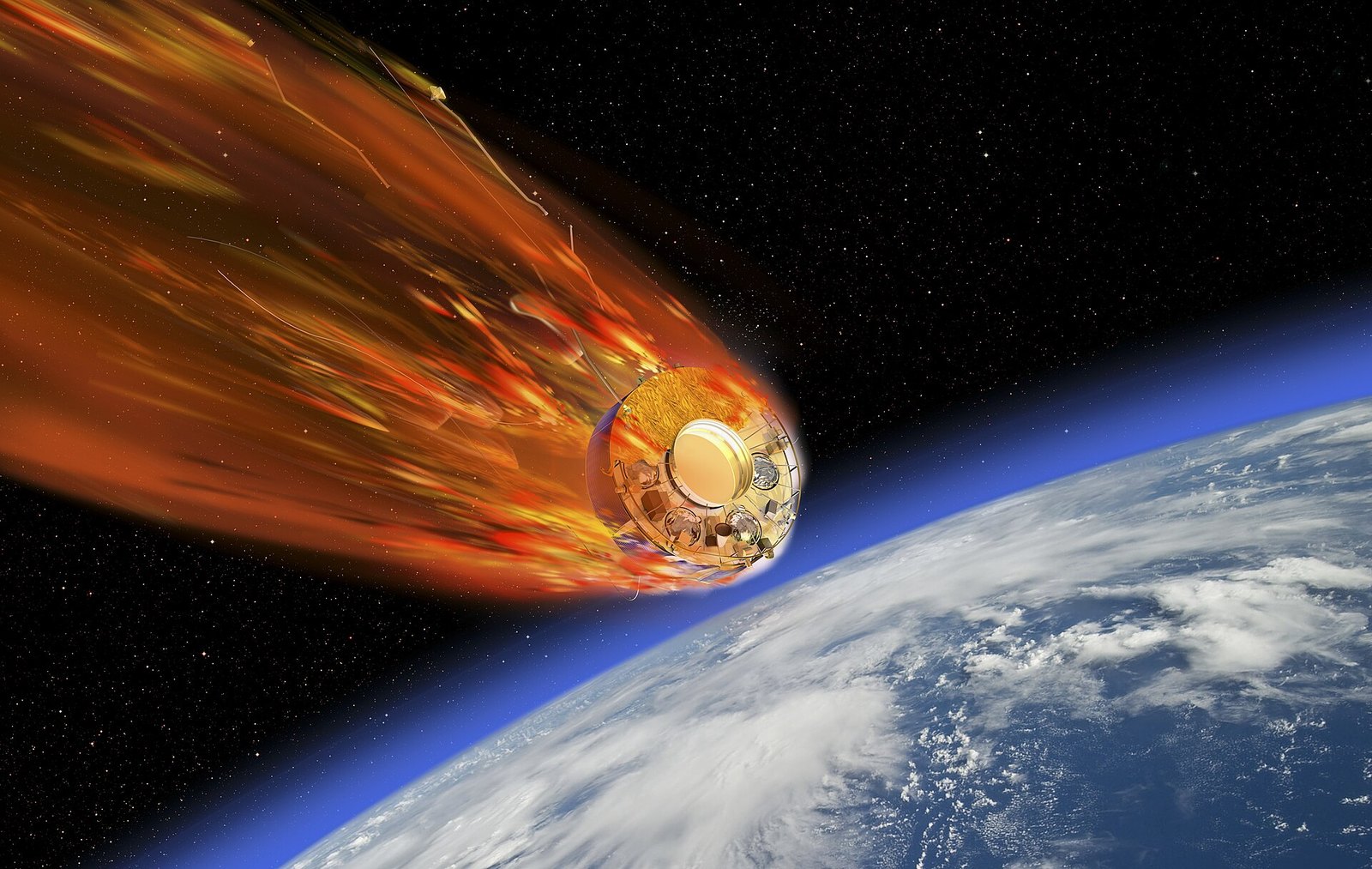
The headline figures move for the first time in a week: 33,811 objects on orbit against 33,759 every morning since 17 October, of them 19,731 payloads and 14,080 spent stages and debris GCAT. Thirteen reentries are now booked within seven days against one yesterday, and 102 within thirty days against 90. Launches jump the same way, 261 in thirty days against 205: a backlog clearing, not a sudden week. The queue below 250 kilometres grew from 36 to 59 for the same reason, because 11,906 objects now carry an orbit measured today and those measurements found craft the stale file could not see. The lowest is Starlink 4454 at 140 by 155 kilometres.
Close approach of the day
There is no close approach of the day. The screening behind this site's close-approach pages is the SOCRATES Plus file of 8 October 2026, and tonight's attempt to fetch a newer one could not reach the server CelesTrak SOCRATES Plus. Every event in that sixteen-day-old file has passed, so there is nothing left to forecast. The warning layer is dark, which is a worse condition than a crowded one.
Object of the day: Aureole 2, catalog number 7003
Aureole 2 lifted off at 16:30 UTC on 26 December 1973 on a Kosmos 11K65M from Plesetsk: a 348-kilogram magnetospheric observatory on the Yuzhnoye DS-U2 bus, flown jointly by the Soviet programme and CNES as the second ARCAD experiment, and placed in an orbit of 399 by 1,971 kilometres at 74 degrees GCAT. The element set published today puts it at 196 by 224. After fifty-two years and ten months, it is days to weeks from the end.
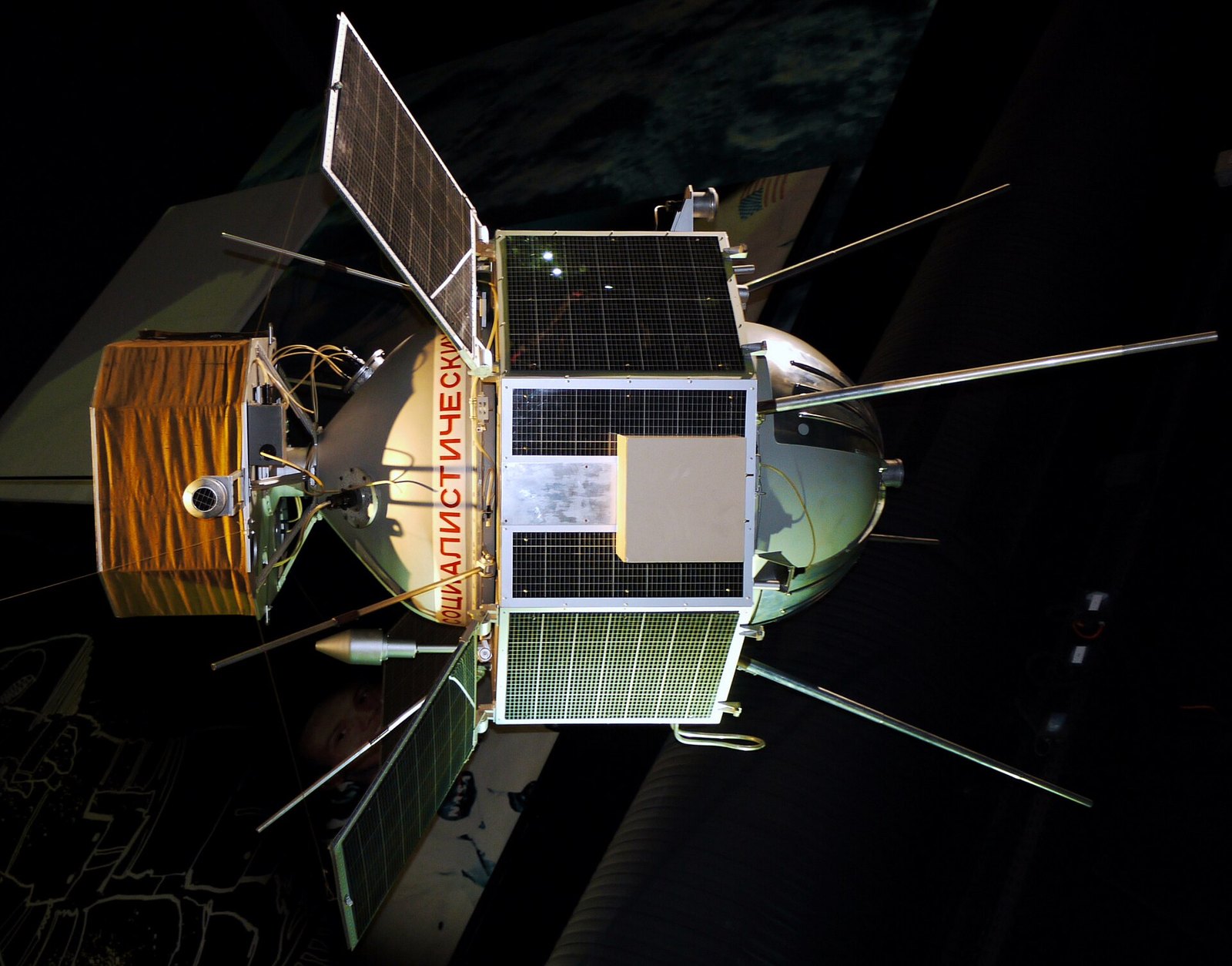
Its sisters show the margin. Aureole 1, launched in December 1971 into a similar orbit, is still at 382 by 1,399 kilometres, and Aureole 3, launched in 1981, sits at 370 by 1,012; neither is going anywhere this century GCAT. The 1,434-kilogram Kosmos-3M second stage that delivered Aureole 2 reentered on 24 July 2021, five years ahead of its own payload. A few hundred kilometres of apogee decided which of the three comes home, and nobody chose it. ESA's modelled population puts 68,450 objects larger than 10 centimetres in orbit against roughly 11,300 active payloads ESA Space Environment Statistics.
ClearOrbit's view
Tonight's update is good news badly delivered. Thirteen objects came down and nothing was lost, but for a week the public catalog pointed anyone reading it to the wrong conclusion about eleven of them, and anyone screening conjunctions against those orbits was screening against ghosts. The gap between what is true in orbit and what is published about it is a hazard in its own right, and the cheapest one to close.
We think the lesson is specific. Removal cannot be scheduled against a catalog that goes quiet for a week, so the first thing such a programme needs is not hardware but an independent, continuously updated picture of where its targets are. Aureole 2 is the rest of it: nobody did anything wrong in 1973, the satellite worked, and it is coming home only because it was left lower than its sisters. Everything above that line stays, and 68,450 tracked objects is what fifty years of that arithmetic looks like.
Reader mail
Have a better idea?Spotted something we got wrong?
We publish in public so the numbers can be checked. If a figure looks wrong, a source is missing, or you know something this piece should have said, send it over. One box, no sign-up.
Send an idea or correctionQuick question
Who should pay for cleaning up orbit?
Anonymous. You will see how others answered after you vote.