Daily briefing · · 3 min read
Orbit on 13 November 2026: fourteen of one launch's sixteen satellites have come down, over two and a half years
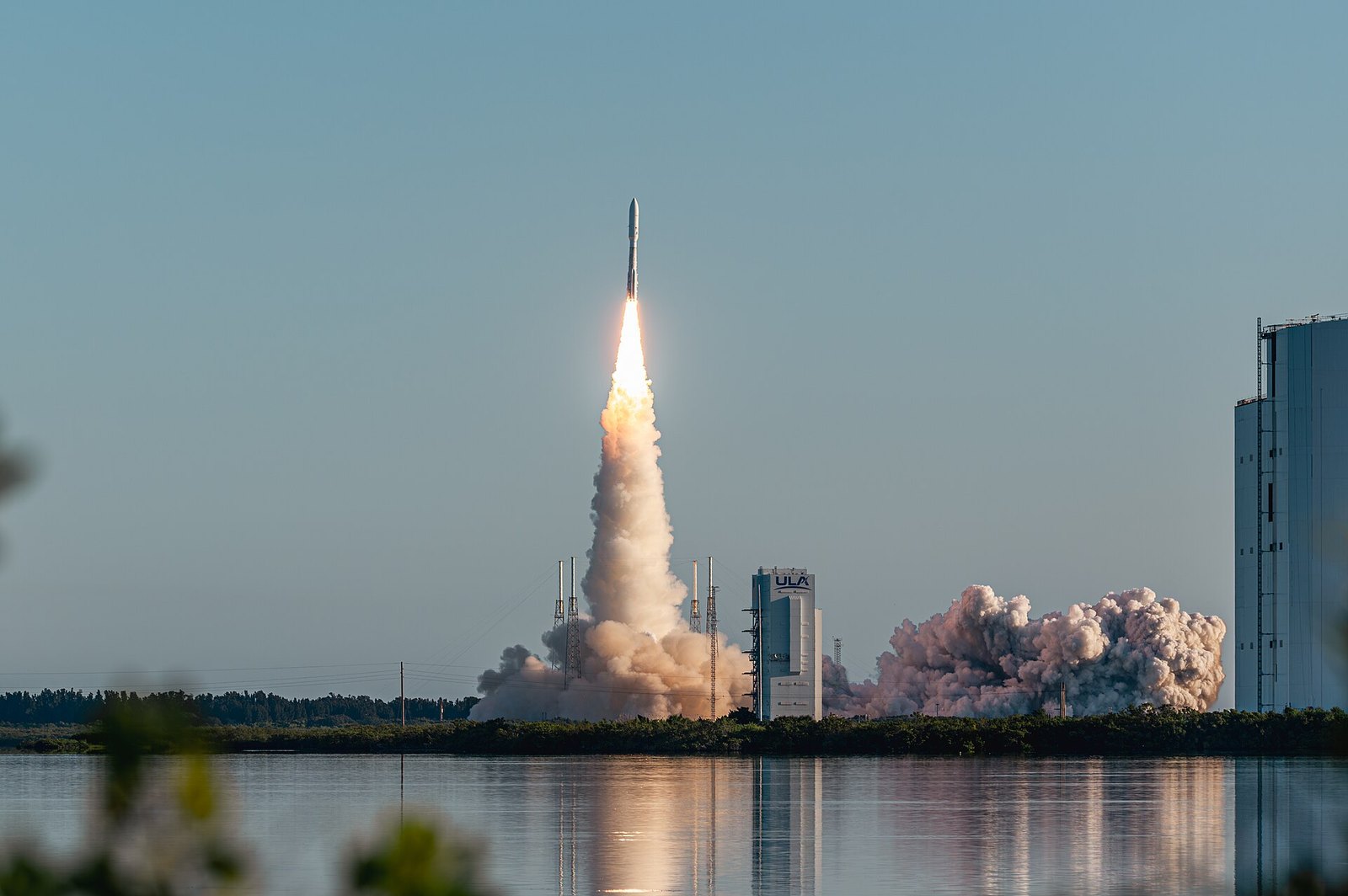
A Long March 6 carried sixteen Chinese satellites to a sun-synchronous orbit on 10 August 2022. Six reentered in 2024, eight more this year, and the last two sit at 137 and 212 kilometres.
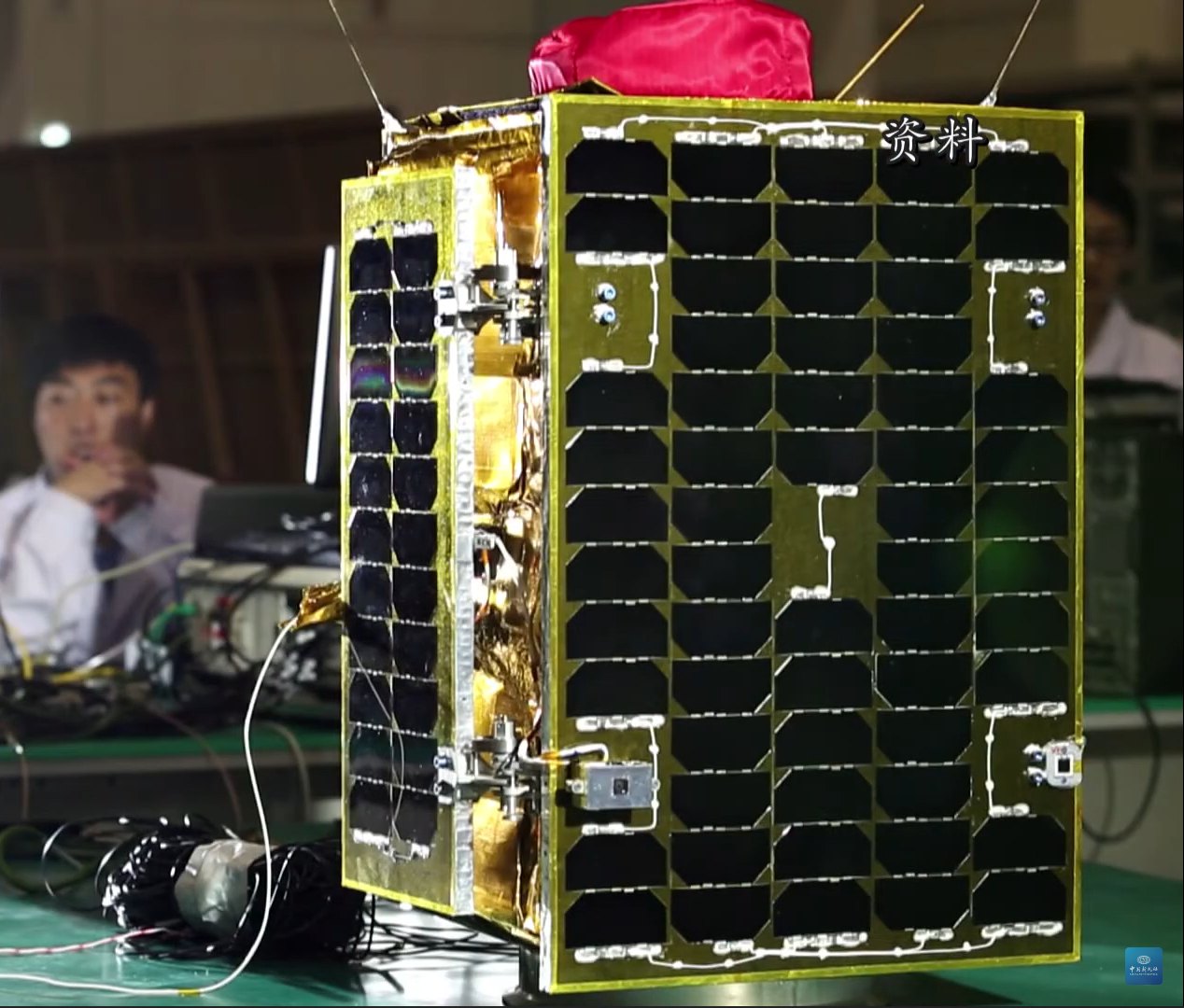
One rocket, one morning, sixteen satellites, and no two of them left on the same schedule. A Long March 6 lifted off from the Taiyuan Satellite Launch Center at 12:50 Beijing time on 10 August 2022 with sixteen spacecraft built by Chang Guang Satellite Technology and its partners (CGWIC). The catalog now books fourteen of them as reentered: six between 10 August and 5 September 2024, eight more this year, the most recent on 20 October. Two are still up, the lowest at 137 kilometres (GCAT).
Nothing separated them at release but a few seconds and a few metres per second. Afterwards it was area-to-mass ratio, which is how one dispenser produces a two-year spread.
What changed
Nothing in the headcount, for the third morning: the on-orbit count has read 33,956 since 10 November, 19,871 payloads against 14,085 spent stages and debris, out of 70,661 ever catalogued and 37,549 reentered (GCAT). Nothing has been booked down since 7 November, so the rolling windows fell on their own: thirty-day reentries from 63 to 58, four of them in seven days. Launches over thirty days dropped harder, 255 to 228, with nothing catalogued since the nine Chinese WHDW satellites of 8 November: the window rolled past 13 October, when forty objects were added in one day.
The decay queue holds 107 objects below 250 kilometres, four of them on near-circular orbits below 160: HYPSO-1 at 125 by 144 kilometres, Henan-1 at 137 by 149, a Kosmos-1408 fragment at 149 by 162 and Starlink 2298 at 152 by 158. The newest of those measurements dates from 4 November. Six days with nothing booked down is not a quiet sky; it is a measurement lag, and some of the four are probably already gone. Higher up nothing moves: 10,418 objects between 400 and 500 kilometres, 10,231 of them payloads, against 2,747 between 800 and 900 of which 2,497 are debris.
Close approach of the day
None to publish. This morning's screening ran cleanly — 148 rows of USSPACECOM public conjunction data on Space-Track.org merged into 29 future encounters, 27 of them recalculated with SGP4 — but posting events derived from that feed is held pending a redistribution check with the data's owner, so we name no objects, times or distances from it. Our close-approach pages still carry the 8 October file, 36 days old. The outcome check found nothing to judge and nothing due in the next 48 hours.
The object of the day: Henan-1 and Xi'an Hangtou 1, catalog numbers 53446 and 53445
The last two of the sixteen, 2022-098C and 2022-098B, both in sun-synchronous orbits inclined 97.5 degrees. Henan-1 was measured on 4 November at 137 by 149 kilometres and has days left; Xi'an Hangtou 1 on 8 November at 212 by 220, which buys it weeks (GCAT). The five Yunyao-1 weather satellites and Tianjin Binhai 1 were gone within twenty-five months; the seven Tianfu Dongpo satellites took until this year.
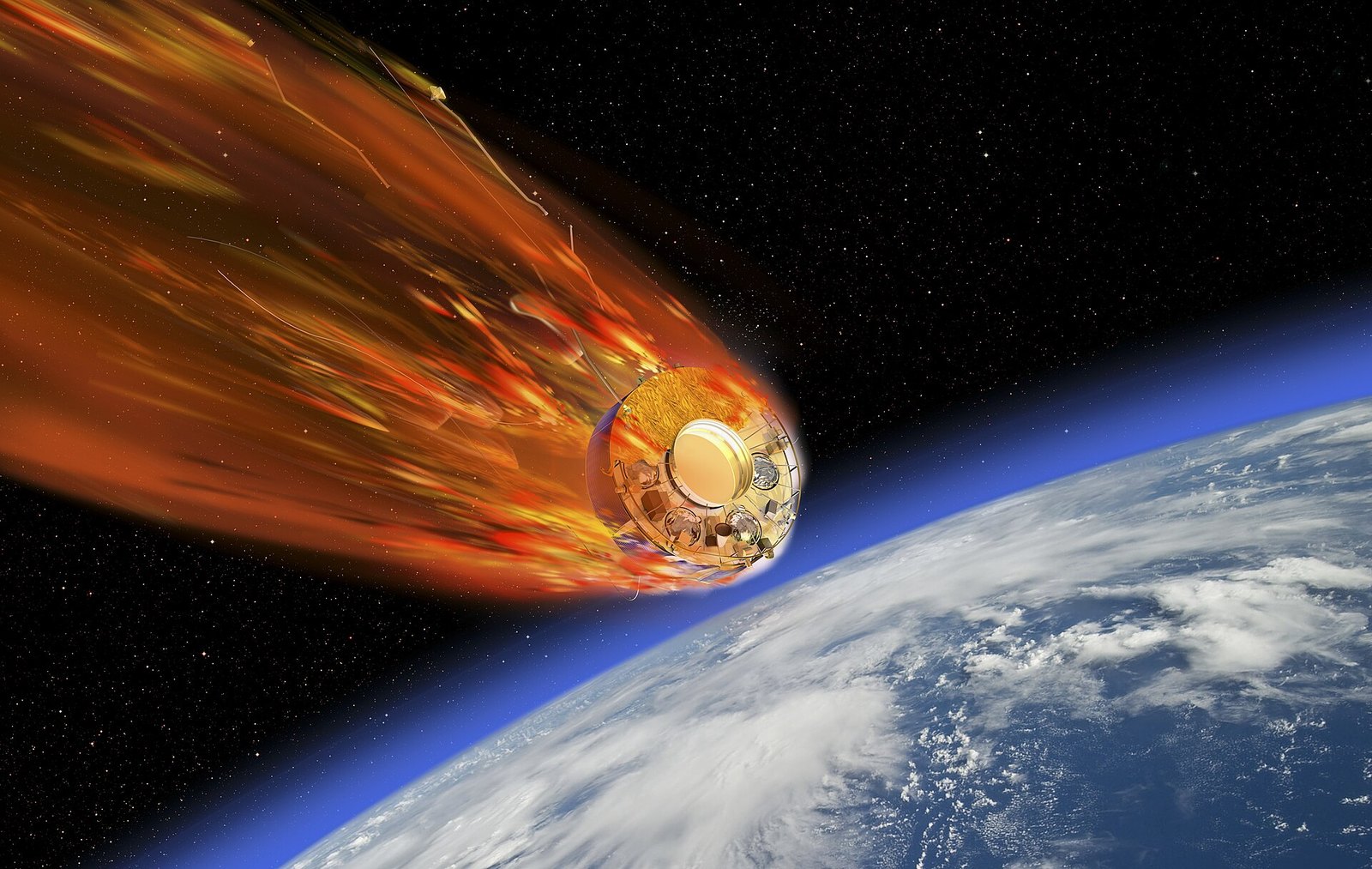
Seventy-five kilometres of perigee now separate two spacecraft that rode up in the same stack, and nobody manoeuvred either one. The orbit was the disposal plan, and it worked because the launch went low.
ClearOrbit's view
ESA's statistics, updated on 2 November 2026, count about 47,390 objects tracked and catalogued and model 68,450 larger than ten centimetres against roughly 11,300 active payloads (ESA DISCOS).
ClearOrbit has flown nothing and holds no contracts. This launch is the cheerful case, and it is worth being precise about why: sixteen small satellites in a low sun-synchronous orbit cleared themselves in four years with no disposal hardware and no operator decision at all.
The uncomfortable half sits in the same morning's numbers. The 4,754 pieces of debris between 700 and 900 kilometres sit where the same physics takes centuries. The lesson of 10 August 2022 is not that the problem solves itself; it is that altitude decides whether it does, and most of the mass up there was put somewhere it will not.
Reader mail
Have a better idea?Spotted something we got wrong?
We publish in public so the numbers can be checked. If a figure looks wrong, a source is missing, or you know something this piece should have said, send it over. One box, no sign-up.
Send an idea or correctionQuick question
Who should pay for cleaning up orbit?
Anonymous. You will see how others answered after you vote.