Daily briefing · · 4 min read
Orbit on 12 November 2026: Amazon has 392 satellites where its licence wanted 1,616 by July
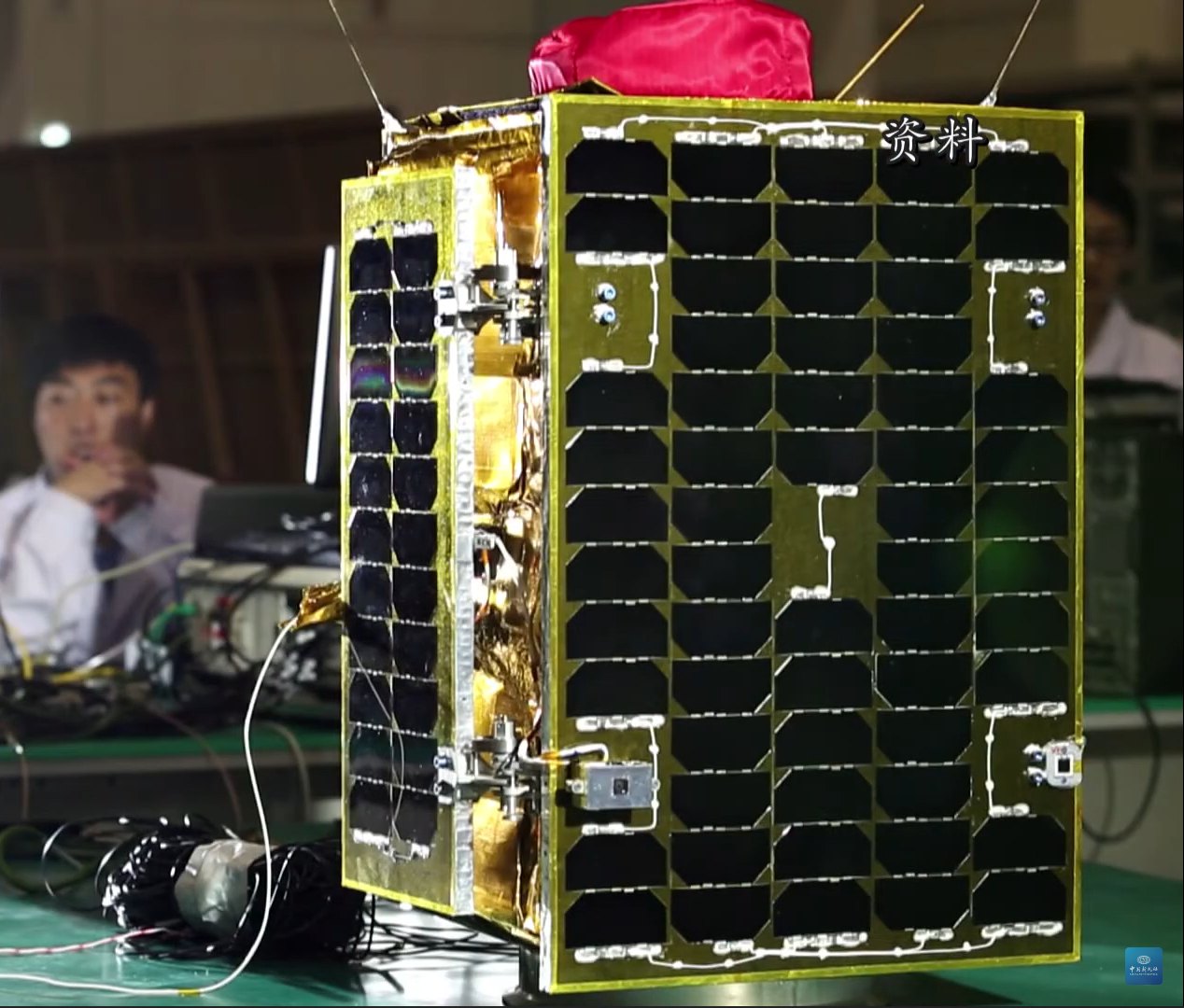
The catalog counts 392 Amazon broadband satellites on orbit, 385 of them between 600 and 700 kilometres, a band that already holds 1,158 catalogued pieces of debris.
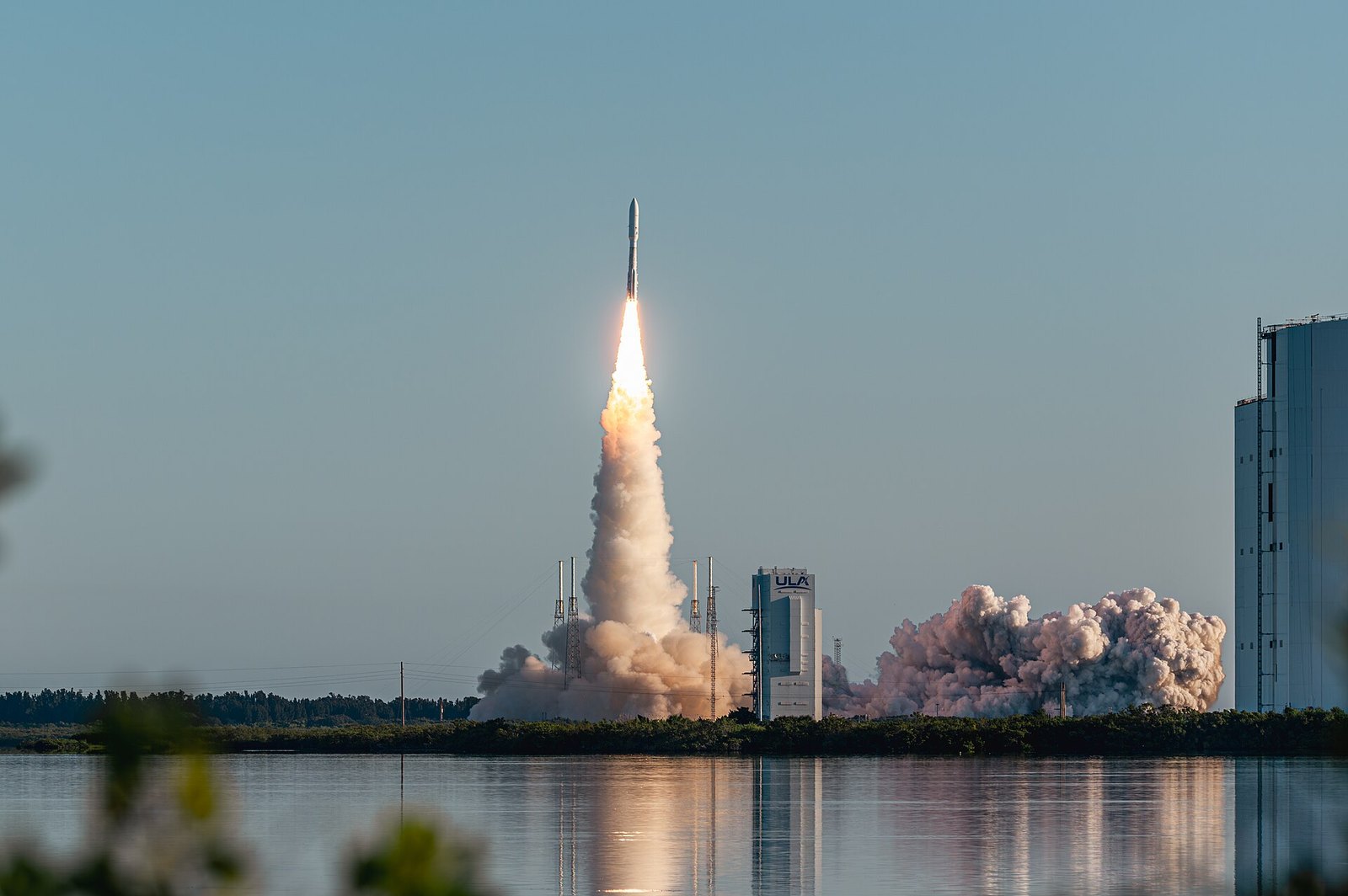
Amazon's broadband constellation was meant to be half built by now. The FCC required Kuiper Systems, trading as Amazon Leo, to have 1,616 satellites operating by 30 July 2026, half of the 3,232 its first-generation licence allows (FCC DA 26-553). This morning the public catalog lists 392 on orbit and 398 ever launched — Flown, and a quarter of what the deadline asked for (GCAT). Amazon had told the Space Bureau to expect about 700, roughly 21 per cent; the catalog says it did not reach that either.
In June the Bureau waived the rule that would have cut the licence down to the number actually in orbit, leaving the final deadline of 30 July 2029 intact. It did not waive the surety bond, which is forfeited, and the satellites that missed July lose their processing-round priority until 30 March 2028. The other 2,840 are Planned.
Where they go matters more than when they arrive. The 2020 authorisation placed the constellation in three shells at 590, 610 and 630 kilometres (FCC 20-102). Element data puts 385 of the 392 between 600 and 700 kilometres, mean altitude 627. That band already holds 2,050 catalogued objects and 1,158 of them are debris (GCAT). Amazon undertook to remove each satellite within 355 days of the end of its mission, far inside the old twenty-five-year guideline. Nothing already in the band is under any such obligation.
What changed
Nothing entered or left the catalog overnight, the second such day for the on-orbit count: 33,956 objects on orbit, 19,871 payloads against 14,085 spent stages and debris, out of 70,661 ever catalogued and 37,549 decayed (GCAT). The reentry windows shrank anyway, because nothing has come down since 7 November: the thirty-day count fell from 73 on Tuesday to 63, and the seven-day count from eight to four. Launches over thirty days hold at 255, the most recent nine Chinese WHDW satellites catalogued on 8 November. The queue below 250 kilometres holds 107 objects, led by HYPSO-1 at 125 by 144 kilometres.
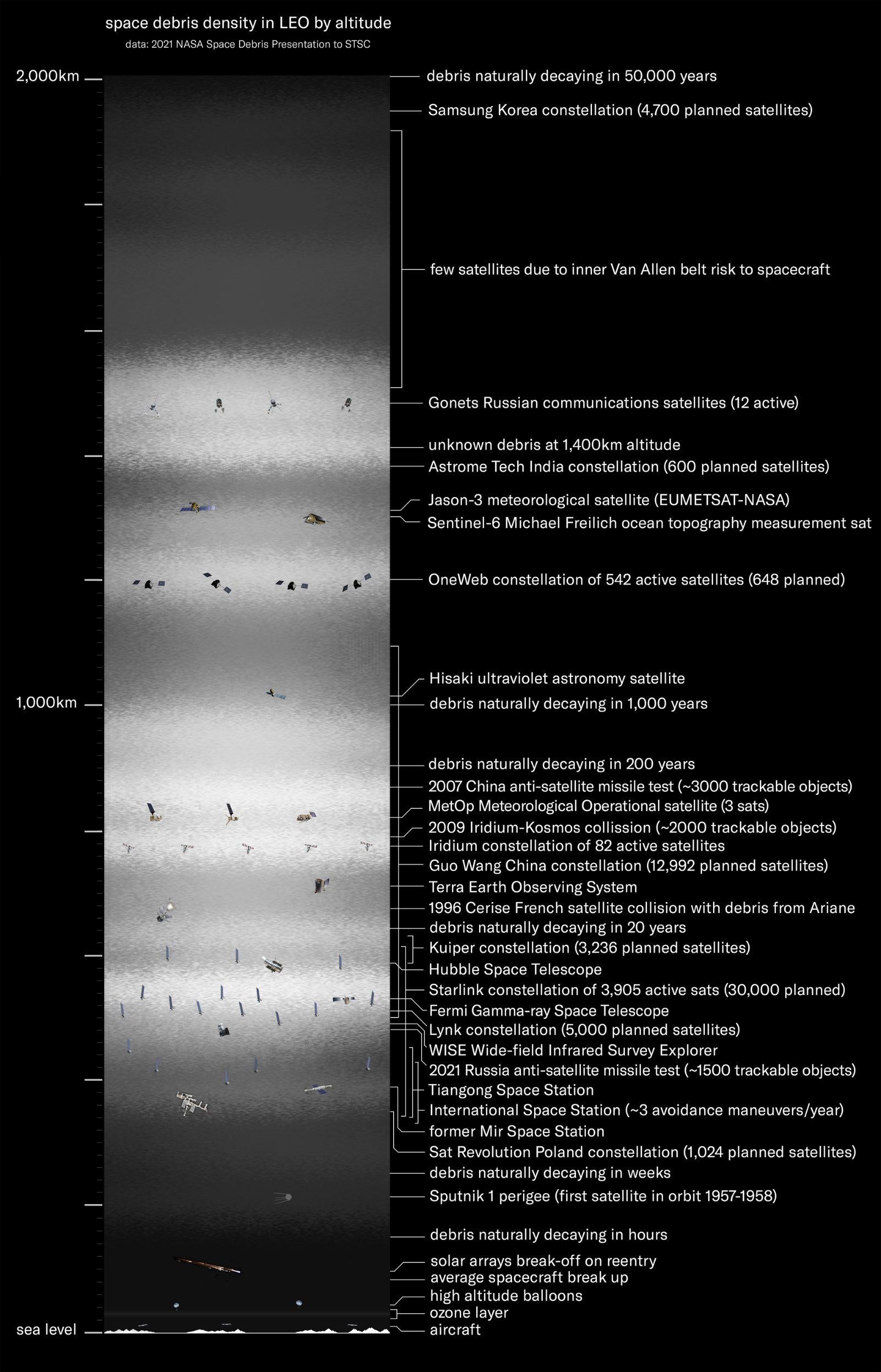
The crowding sits where it always does, and splits by kind: 10,418 objects between 400 and 500 kilometres, 10,231 of them working payloads, against 2,747 between 800 and 900 of which 2,497 are debris.
Close approach of the day
There is again none to publish. This morning's screening ran cleanly, 144 rows of USSPACECOM public conjunction data on Space-Track.org merged into 30 future encounters, all of them recalculated with SGP4, but posting events derived from that feed is held pending a redistribution check with the data's owner, so we name no objects, times or distances from it. Our close-approach pages still carry the 8 October file, 34 days old: history, not today's sky. The outcome check found nothing to judge.
The object of the day: Menut, catalog number 55010
Menut is a Catalan Earth-observation satellite built and operated by Open Cosmos, launched from Cape Canaveral on 3 January 2023 into an orbit of about 500 kilometres (IEEC). The catalog's 6 November element set puts it at 198 by 209 kilometres (GCAT).

It has given up some three hundred kilometres in under four years with no propulsion in the story at all, and at 198 kilometres it has weeks left. Menut never needed a disposal system because its orbit was one.
ClearOrbit's view
ESA's statistics, updated on 2 November 2026, count about 47,370 objects tracked and catalogued and more than 17,500 tonnes of material in orbit, and model 68,450 larger than ten centimetres against roughly 11,300 active payloads (ESA DISCOS).
ClearOrbit has flown nothing and holds no contracts. The 355-day commitment is the standard every new constellation should be held to, and a regime that enforces deployment deadlines with bonds while leaving disposal to a plan filed before first service has its emphasis backwards. The missed deadline costs Amazon money; a satellite stranded at 630 kilometres would cost everyone else decades.
Good behaviour by the newcomers decides only how much worse the 600-to-700-kilometre band gets. It does nothing about the 1,158 pieces already there, or the 4,754 between 700 and 900 kilometres where there is no useful air and nobody left to command anything. Removing what is already up there, our ClearOrbit vision, is the only mechanism that reaches them.
Reader mail
Have a better idea?Spotted something we got wrong?
We publish in public so the numbers can be checked. If a figure looks wrong, a source is missing, or you know something this piece should have said, send it over. One box, no sign-up.
Send an idea or correctionQuick question
Who should pay for cleaning up orbit?
Anonymous. You will see how others answered after you vote.