Daily briefing · · 3 min read
Orbit on 31 October 2026: a launch 31 years ago today left 12 tonnes at 845 kilometres, and both pieces are still there
The Zenit-2 that flew on 31 October 1995 catalogued 13 objects. Eight are still in orbit, and the two heaviest sit eighth and twenty-ninth on the list of derelicts most likely to start a cascade.
What changed
Nothing, in the headline numbers. The on-orbit count stands at 33,845 — 19,763 payloads and 14,082 rocket bodies and debris fragments — exactly where it stood yesterday, and the all-time reentry ledger is unchanged at 37,505 against 70,518 objects ever catalogued (GCAT). Over thirty days: 248 added by launch, 88 down.
Both reentry windows fell anyway: 89 to 88 over thirty days, 14 to 9 over seven. With the all-time total frozen that is arithmetic, not news — five late-October decays aged out of the seven-day window and nothing replaced them. Eighty-three objects carry a perigee below 250 kilometres on an orbit measured this month, the lowest still Aureole 2 at 146 by 159 kilometres. The shells are unmoved: 10,473 objects between 400 and 500 kilometres, 10,288 of them payloads, and 2,754 between 800 and 900, of which 2,501 are debris (GCAT). ESA's model puts 68,450 objects larger than ten centimetres in orbit, and more than 17,400 tonnes of material in total (ESA DISCOS, 23 October 2026).
Close approach of the day
There is none from current data, for a sixteenth morning. The screening behind our close-approach pages is still the CelesTrak SOCRATES Plus run of 8 October 2026 — 174,512 pairs, 7,834 inside a kilometre, 111 inside 100 metres — now 529 hours old and a record of that morning only. The replacement pipeline, built on USSPACECOM's public conjunction data at Space-Track.org, ran again today and produced a fresh screening. None of it is on the site: we are still waiting for written confirmation that redistributing events derived from that feed is permitted. The outcome ledger is empty for the first time in three weeks: everything queued before the screening went stale was closed yesterday.
The object of the day: Kosmos-2322 and the stage that carried it
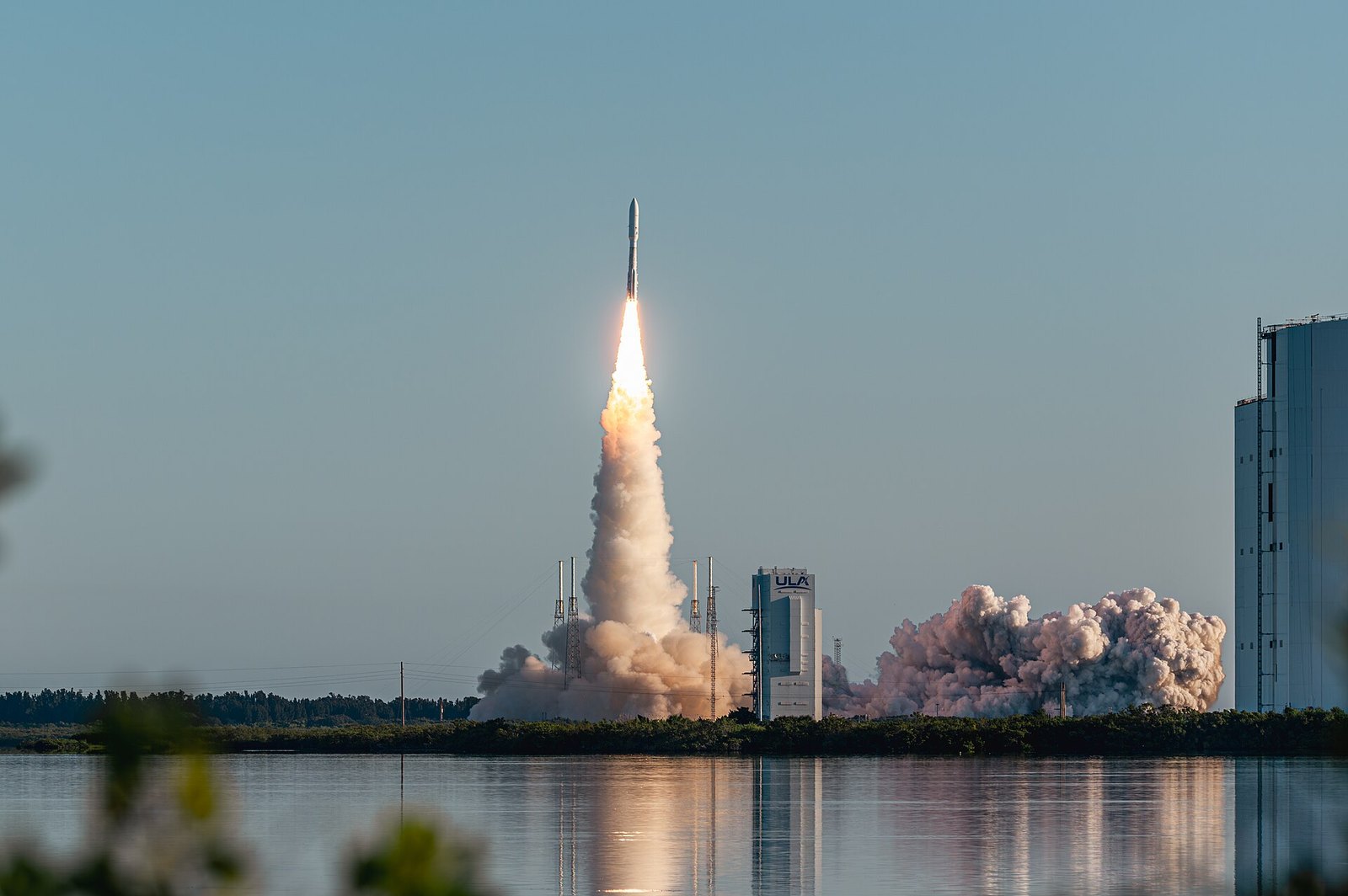
Thirty-one years ago today a Zenit-2 lifted from Baikonur and left thirteen catalogued objects. Eight are still in orbit (GCAT).
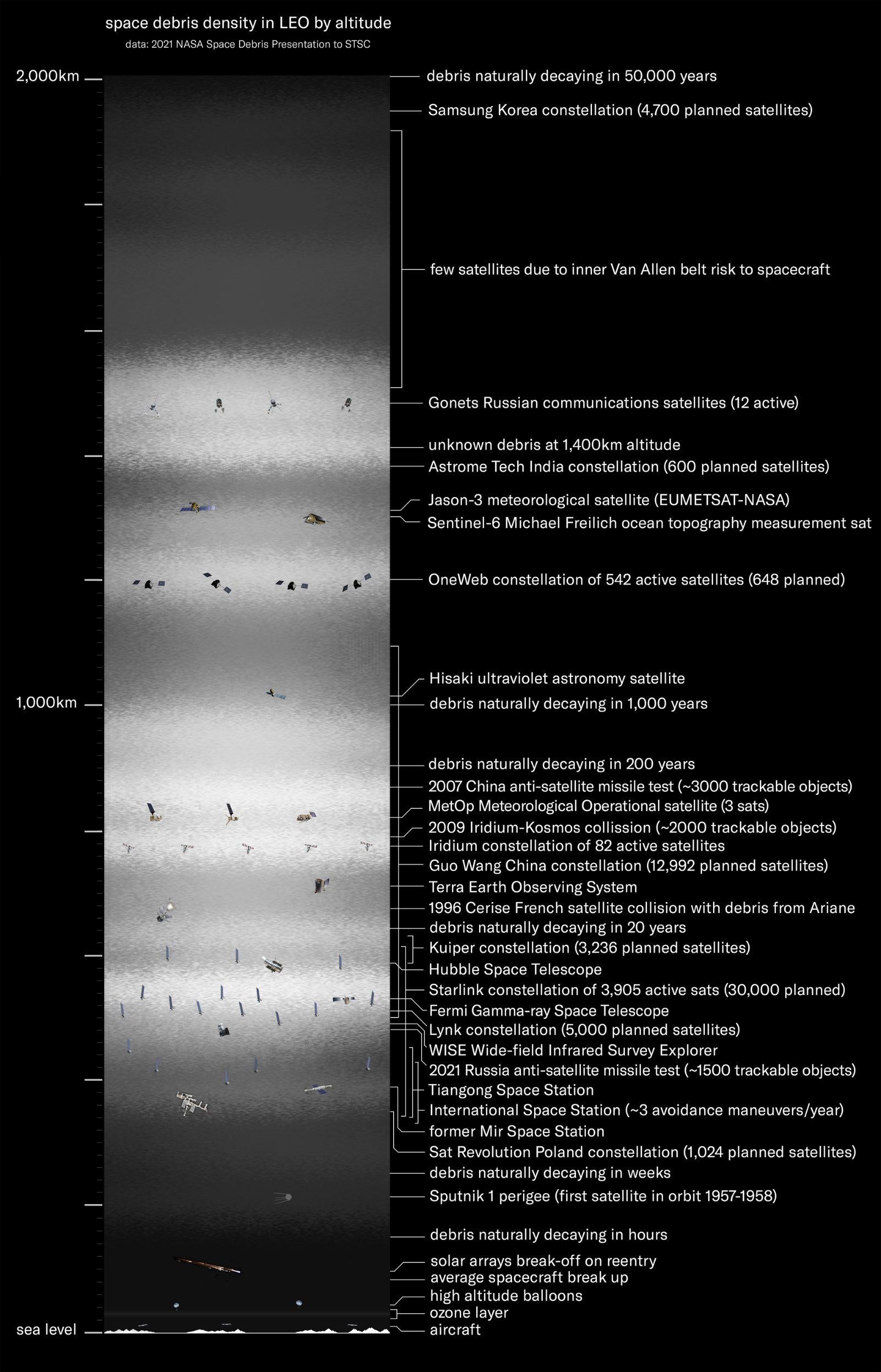
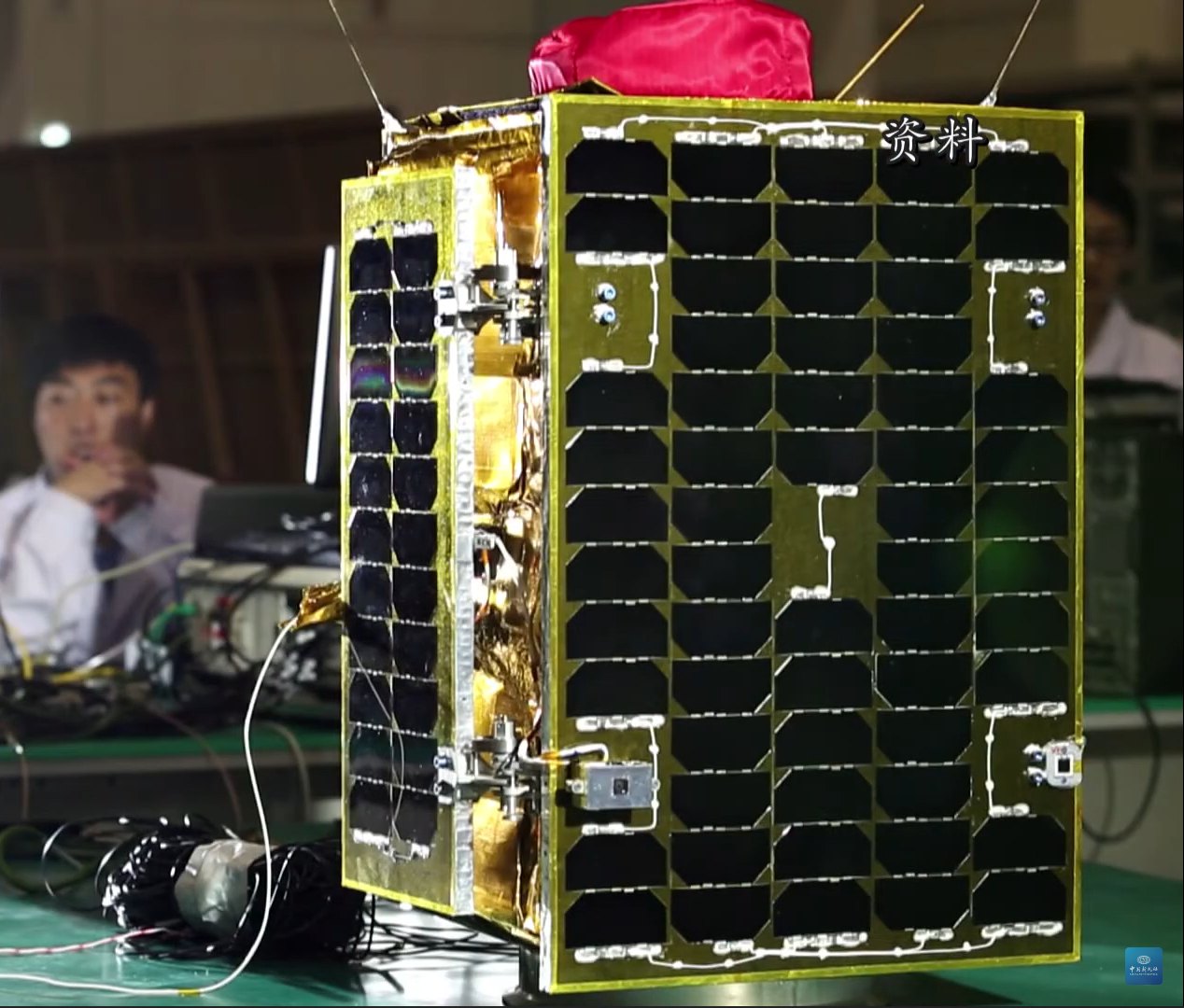
The payload, Kosmos-2322, is a 3,250-kilogram satellite whose owner GCAT lists as GRUR, the Russian military intelligence directorate; its elements of 28 October read 837 by 854 kilometres at 70.99 degrees. The second stage that put it there, catalogued as Zenit-2 No. 2-89 Stage 2, is nine tonnes empty and sits a few kilometres lower, at 832 by 848 kilometres and 71.02 degrees. Both are on our derelict watch, the stage eighth and the payload twenty-ninth of thirty, ranked by the mass, altitude and traffic that decide what a dead object can start (McKnight et al., 2021). Together: 12.25 tonnes in the dirtiest shell on orbit.
The other six survivors are the interesting part. Four are separation-motor covers, and none stayed where the stage did — they ride 836 to 840 kilometres at perigee but reach 1,110 to 1,143 at apogee, crossing three hundred kilometres of shells above the launch orbit twice an orbit. A seventh piece sits at 812 by 833 kilometres, an eighth, catalogued only in 2018, at 623 by 644. Five fragments from the same launch did come down — 2000, 2001, 2005, 2013, 2023 — which is the altitude argument in one ledger: the pieces that fell were the ones drag could reach, and 845 kilometres is not one of them. Eighteen of the 22 Zenit-2 second stages still in orbit share that band.
ClearOrbit's view
A launch is not an event, it is a lease, and this one has 31 years on it with no end date. Nothing failed on 31 October 1995: the rocket worked, the satellite worked, and the covers that let the motors separate did their job and became permanent.
That is why we argue for counting a mission in object-years rather than launches, and aiming the first removals at stranded upper stages. ClearOrbit vision: the nine-tonne stage is the easiest target to justify — large, well tracked, in a crowded band, with no operator left to object and no mission to interrupt. The four motor covers are the harder lesson. Too small to chase, too numerous to find: the only place to deal with them was a design review three decades ago.
Reader mail
Have a better idea?Spotted something we got wrong?
We publish in public so the numbers can be checked. If a figure looks wrong, a source is missing, or you know something this piece should have said, send it over. One box, no sign-up.
Send an idea or correctionQuick question
Who should pay for cleaning up orbit?
Anonymous. You will see how others answered after you vote.