Daily briefing · · 3 min read
Orbit on 2 November 2026: 109 working satellites share the 800-kilometre shell with 2,645 dead objects
Between 400 and 500 kilometres, 10,288 of 10,473 catalogued objects are payloads and almost all of them work. Between 800 and 900 the ratio inverts: 109 active satellites, 144 derelict ones, 2,501 fragments and stages.
What changed
Nothing in the headline numbers, for a third morning: 33,845 objects on orbit, 19,763 of them payloads, 70,518 catalogued ever and 37,505 reentries booked all time, all four identical to yesterday (GCAT). The last decay in the file is Starlink 2236 on 26 October and the newest object arrived on 27 October, so in seven days the ledger has recorded one reentry and no launches at all. Over thirty days: 181 added, 85 down.
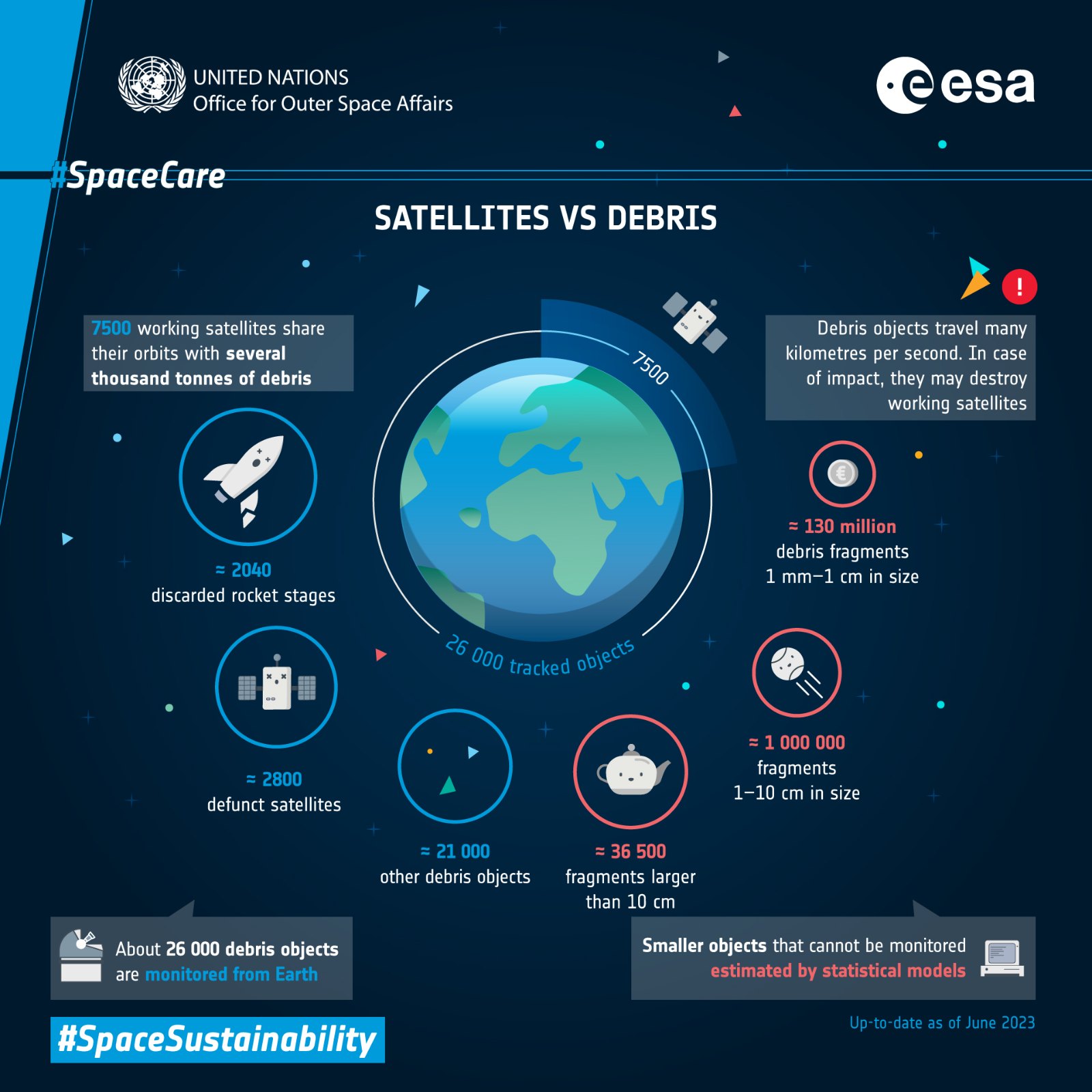
The story is in how those objects are distributed, which you can read off our live catalog view. Of the 10,473 objects between 400 and 500 kilometres, 10,288 are payloads and 10,308 of the band's objects are still listed as active — the most crowded shell in orbit is also the cleanest, because at that height the atmosphere clears up after everyone within a few years. Climb to 800 to 900 kilometres and it inverts: 2,754 objects, of which 2,501 are fragments, stages and components, 144 are dead payloads and 109 are working satellites (GCAT). Nothing up there clears on its own inside a human lifetime. ESA's model puts 68,450 objects larger than ten centimetres in orbit and more than 17,400 tonnes of material in total (ESA DISCOS, 23 October 2026).
Close approach of the day
There is none from current data, for a seventeenth morning. The screening behind our close-approach pages is still the CelesTrak SOCRATES Plus run of 8 October 2026 — 174,512 pairs, 7,834 inside a kilometre, 111 inside 100 metres — now 577 hours old and a record of that morning alone. The replacement pipeline, built on USSPACECOM's public conjunction data at Space-Track.org, ran again today and found 36 future encounters, none of which we can publish until written confirmation arrives that redistributing that feed is permitted. The outcome ledger is empty: nothing notable has passed since the screening went stale and nothing is due in the next 48 hours.
The object of the day: the dead weather satellites at 840 kilometres
Twenty-three NOAA and DMSP weather satellites fly with mean altitudes between 800 and 900 kilometres, and GCAT lists twenty of them as no longer active (GCAT). Two have already come apart up there.
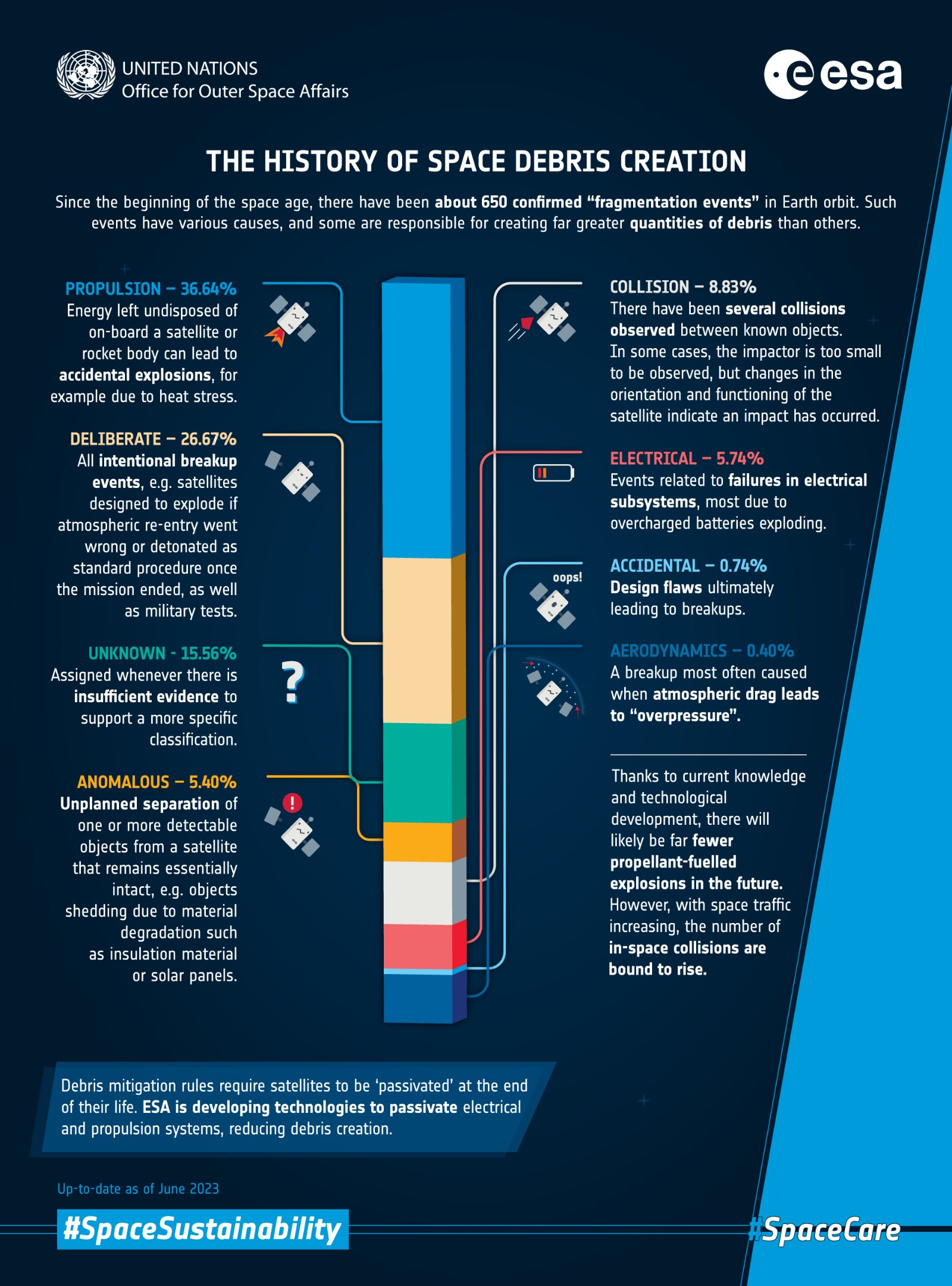
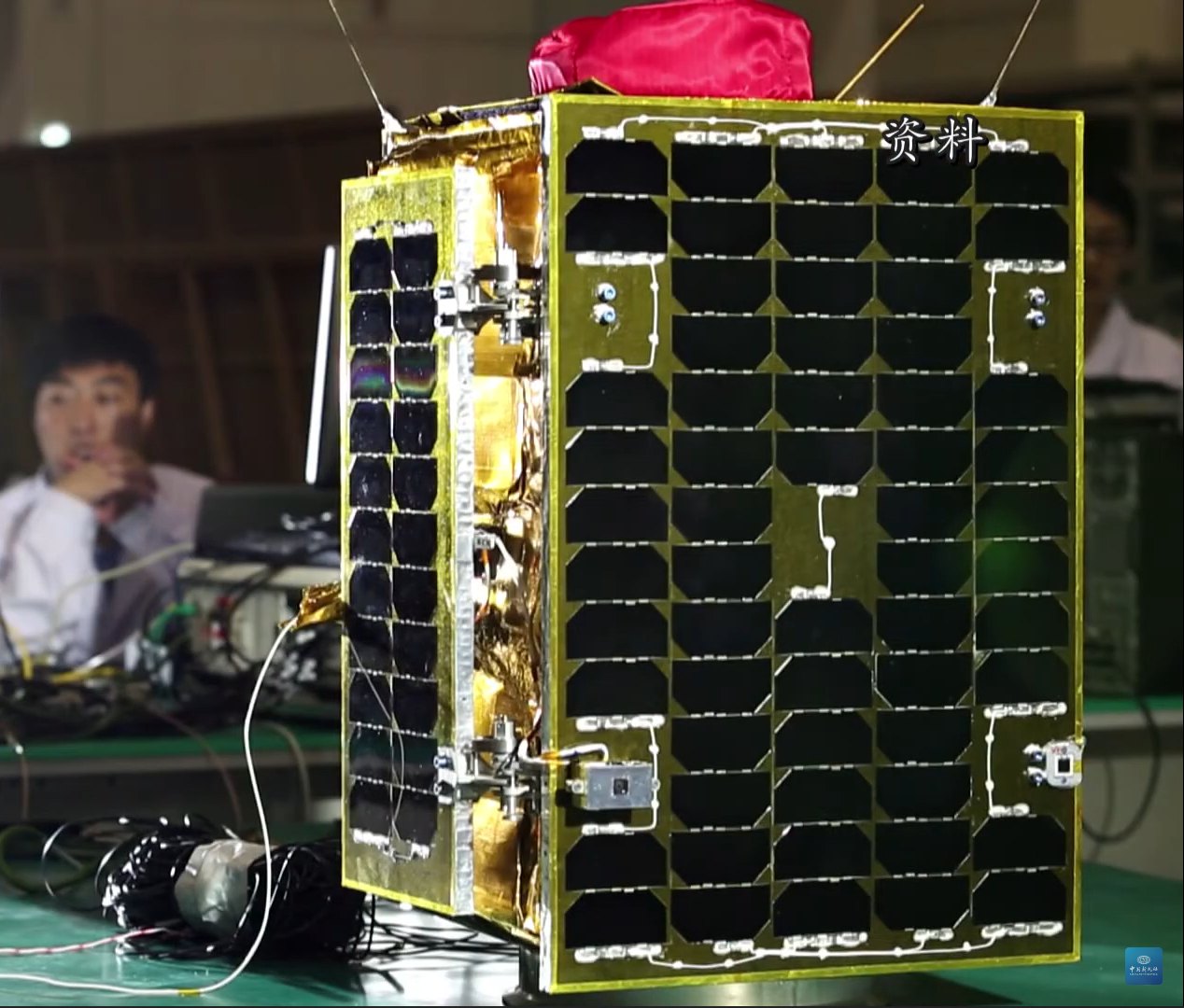
DMSP 5D-2 F13, catalog number 23533, was still operating on 3 February 2015 when a battery fragmented and scattered 238 catalogued pieces from a 840-by-840-kilometre orbit. NOAA 16, catalog number 26536, broke up on 25 November 2015 for a reason NASA still records as unknown, producing 458 pieces at 858 by 842 kilometres. NASA notes that the two shared a similar spacecraft bus, and counts both among the ten missions responsible for 28 per cent of everything catalogued in orbit today (NASA HOOSF, 16th Edition).
Eleven years on, GCAT has 459 objects catalogued from NOAA 16 and 242 from F-13, of which 347 and 120 are still in orbit, 116 and 35 of them inside the 800-to-900-kilometre shell and the rest spread from a 464-kilometre perigee to a 1,266-kilometre apogee. Both parent bodies are still up there, NOAA 16 at 839 by 852 kilometres and F-13 at 829 by 840, alongside eighteen surviving siblings on our derelict watch — same bus, same batteries, same altitude.
ClearOrbit's view
The two shells in today's numbers are not two versions of one problem. Below 500 kilometres congestion is a traffic question and the air is the janitor. Above 800 the air has gone, so every derelict left there is a permanent deposit — and the record says these particular deposits do not sit quietly: two of this family came apart within ten months of each other, one of them while still working.
That is the argument for removal being targeted rather than sweeping. Nobody has to clean a shell of 2,645 dead objects at once. The first move is the handful whose stored energy and shared design make them likely to fragment again, and the dead weather fleet at 840 kilometres is exactly that kind of list: identifiable, grouped in one plane, already proven to break up. ClearOrbit has flown nothing. What we are building is the case for choosing targets this way, and the ranking that says which goes first.
Reader mail
Have a better idea?Spotted something we got wrong?
We publish in public so the numbers can be checked. If a figure looks wrong, a source is missing, or you know something this piece should have said, send it over. One box, no sign-up.
Send an idea or correctionQuick question
Who should pay for cleaning up orbit?
Anonymous. You will see how others answered after you vote.