Daily briefing · · 3 min read
Orbit on 6 November 2026: a battery burst in 1981, and 354 of its fragments are still up
Cosmos 1275 came apart fifty days after launch in July 1981. Of 479 catalogued fragments, 421 were still in orbit in 2018 and 354 are there this morning.
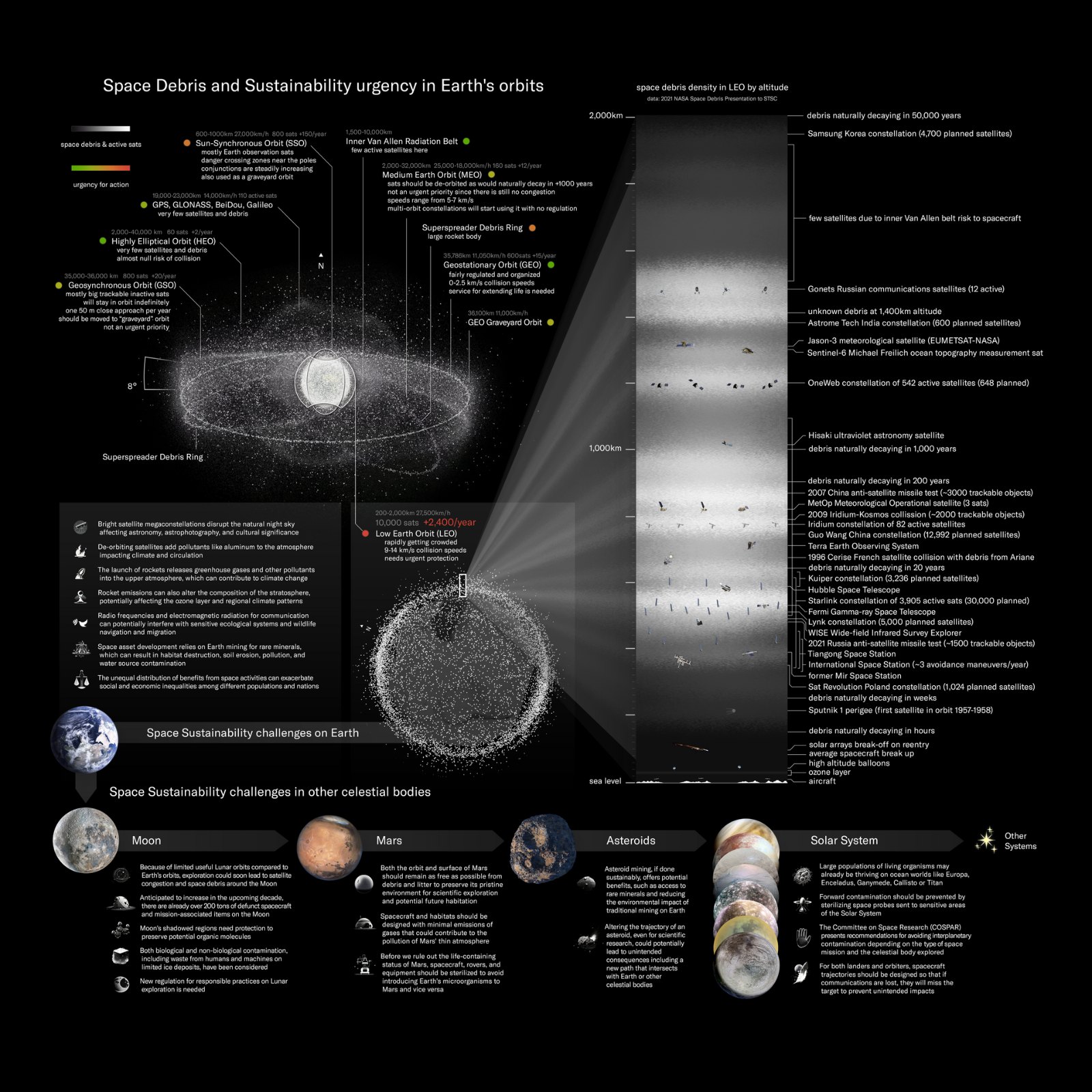
A battery is the cheapest way to lose a satellite and leave a cloud behind. Cosmos 1275 launched on 4 June 1981 and came apart on 24 July, fifty days later, at 960 by 1,015 kilometres and 83 degrees inclination; NASA's fragmentation history records the assessed cause in one word, "BATTERY", on the Russian assessment of the event (NASA ODPO, History of On-Orbit Satellite Fragmentations, 15th edition). That one failure catalogued 479 fragments, 421 of which were still in orbit at NASA's 2018 cut-off. This morning the public catalog carries 354 of them (Space-Track.org). Sixty-seven came down in the eight years between those two counts, from a cloud whose median altitude is 932 kilometres.
Today's headline figures have not moved for a third morning: 33,877 objects on orbit, 19,797 of them payloads and 14,080 spent stages and debris, every day-over-day difference reading zero: the published catalog file has not refreshed since 2 November (GCAT). The rolling counts around it did move. Reentries stand at 74 in thirty days against 79 counted yesterday, and two in seven days against four, both falling because the window slid past decays already on the books. Nothing has come down for five days; the last was Starlink 1283 on 1 November. Against that, 221 objects went up in thirty days. The decay queue holds 101 objects with perigees below 250 kilometres, the lowest Flock 4g-20 at 160 by 175 kilometres on an element set from 28 October. The 400-to-500-kilometre band still carries 10,487 objects, 10,301 of them payloads; the 800-to-900 band carries 2,752, of which 2,501 are debris (our catalog page).
Close approach of the day
For a twenty-ninth day there is none to give. Today's screening ran normally against USSPACECOM's public conjunction data on Space-Track.org and re-propagated every encounter it could recalculate, but posting those events is held pending a redistribution check on that source. Our close-approach pages therefore still carry the screening file of 8 October 2026, twenty-nine days old, and should be read as history rather than this morning's traffic.
The object of the day: Cosmos 1275, catalog number 12504
The satellite that broke up is still catalogued as an intact object. It reads 954 by 1,013 kilometres at 82.96 degrees on an element set published on 4 November, within a few kilometres of the orbit it held when it came apart forty-five years ago, and the SL-8 upper stage from the same launch sits at 949 by 1,003 (Space-Track.org). Around them sit 354 fragments: 153 between 900 and 1,000 kilometres, 57 above 1,000, three worked down below 600. One hundred and eighty-one cross the 800-to-900-kilometre shell, the dirtiest band in the catalog.
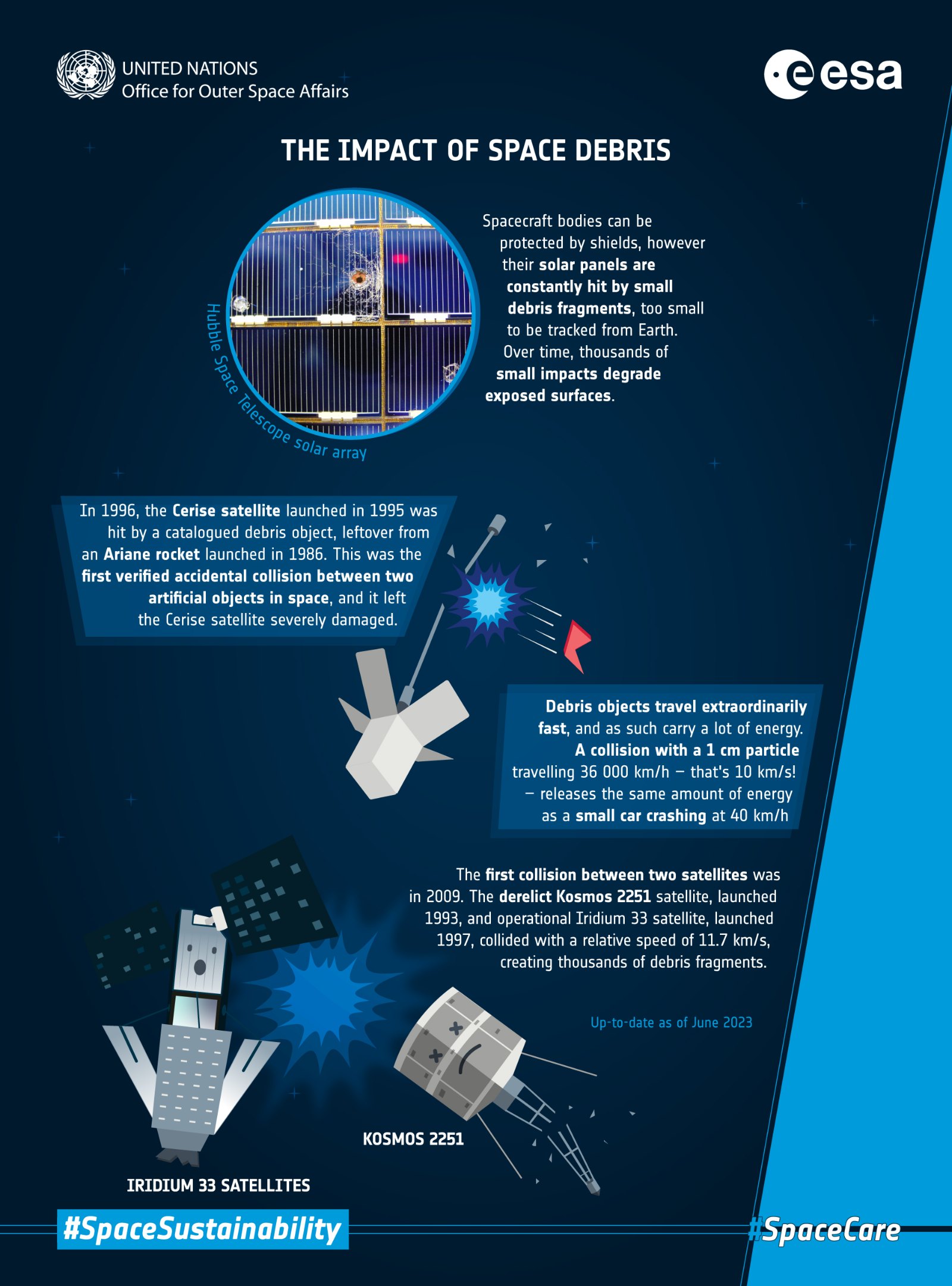
Altitude is the whole of the story. Sixty-seven fragments in eight years is about eight a year, and the ones that went were the low ones; what is left sits where the air barely reaches. NASA counts this event as the oldest of the ten fragmentations responsible for 28 per cent of catalogued satellites now in orbit (NASA ODPO, 16th edition): ten events, spread over four decades, account for more than a quarter of everything now tracked.
ClearOrbit's view
ESA puts the catalogued population at about 47,290 objects and more than 17,500 tonnes, the product of more than 660 break-ups, explosions, collisions and anomalous events (ESA DISCOS, 2 November 2026). A battery that was not discharged before the satellite was abandoned is on that list alongside deliberate tests and collisions, and it is the cheapest entry to have avoided.
ClearOrbit has flown nothing and holds no contracts. What we argue for is that passivation be a hard requirement rather than good practice, and that the cost of skipping it be booked against the life of the cloud, not the life of the mission. Cosmos 1275 flew for fifty days. Its fragments have been tracked for forty-five years and, on the evidence of the last eight, will outlast everyone now working on the problem. How a stage is passivated is settled engineering; the gap is in who is obliged to do it.
Reader mail
Have a better idea?Spotted something we got wrong?
We publish in public so the numbers can be checked. If a figure looks wrong, a source is missing, or you know something this piece should have said, send it over. One box, no sign-up.
Send an idea or correctionQuick question
Who should pay for cleaning up orbit?
Anonymous. You will see how others answered after you vote.