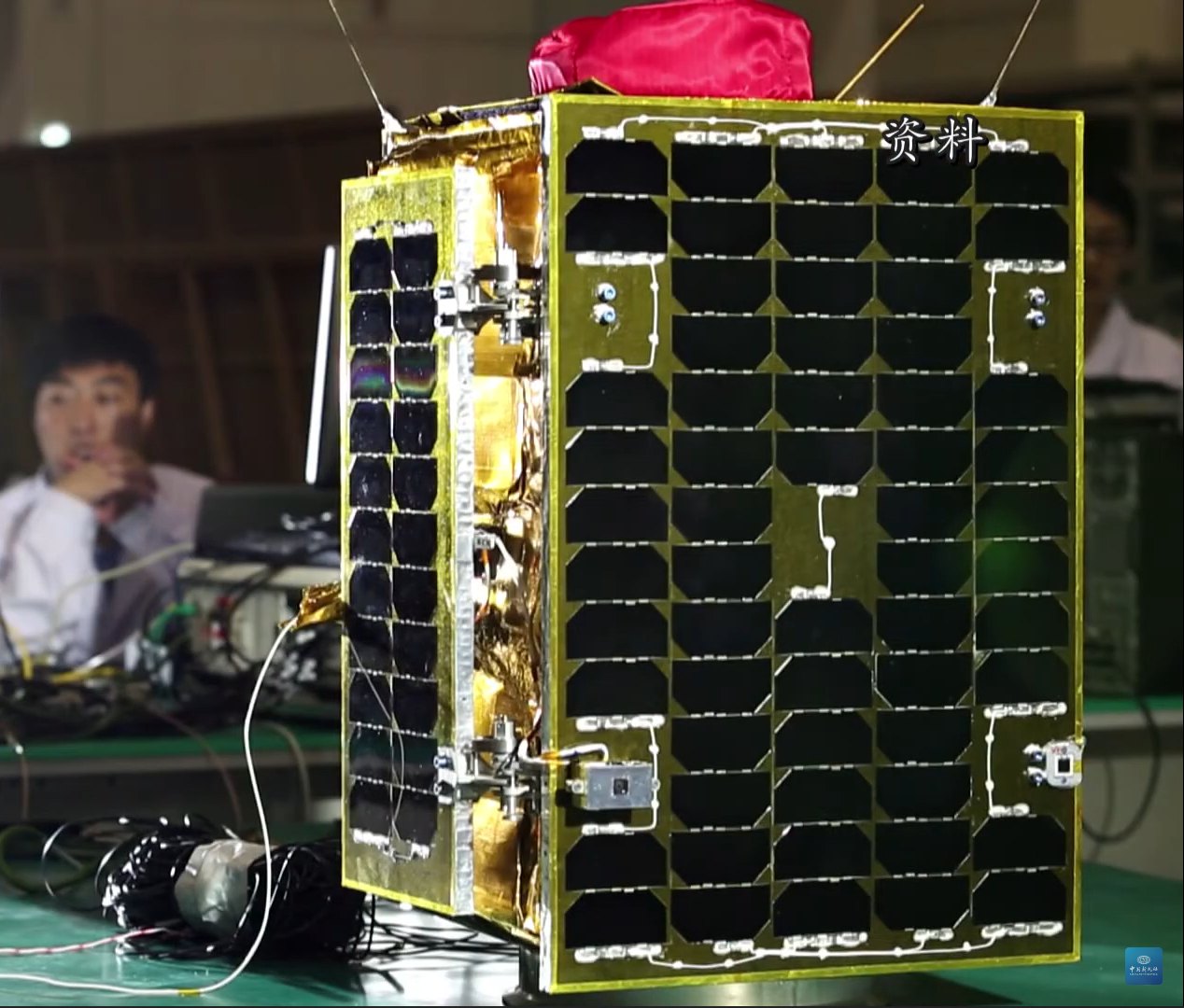
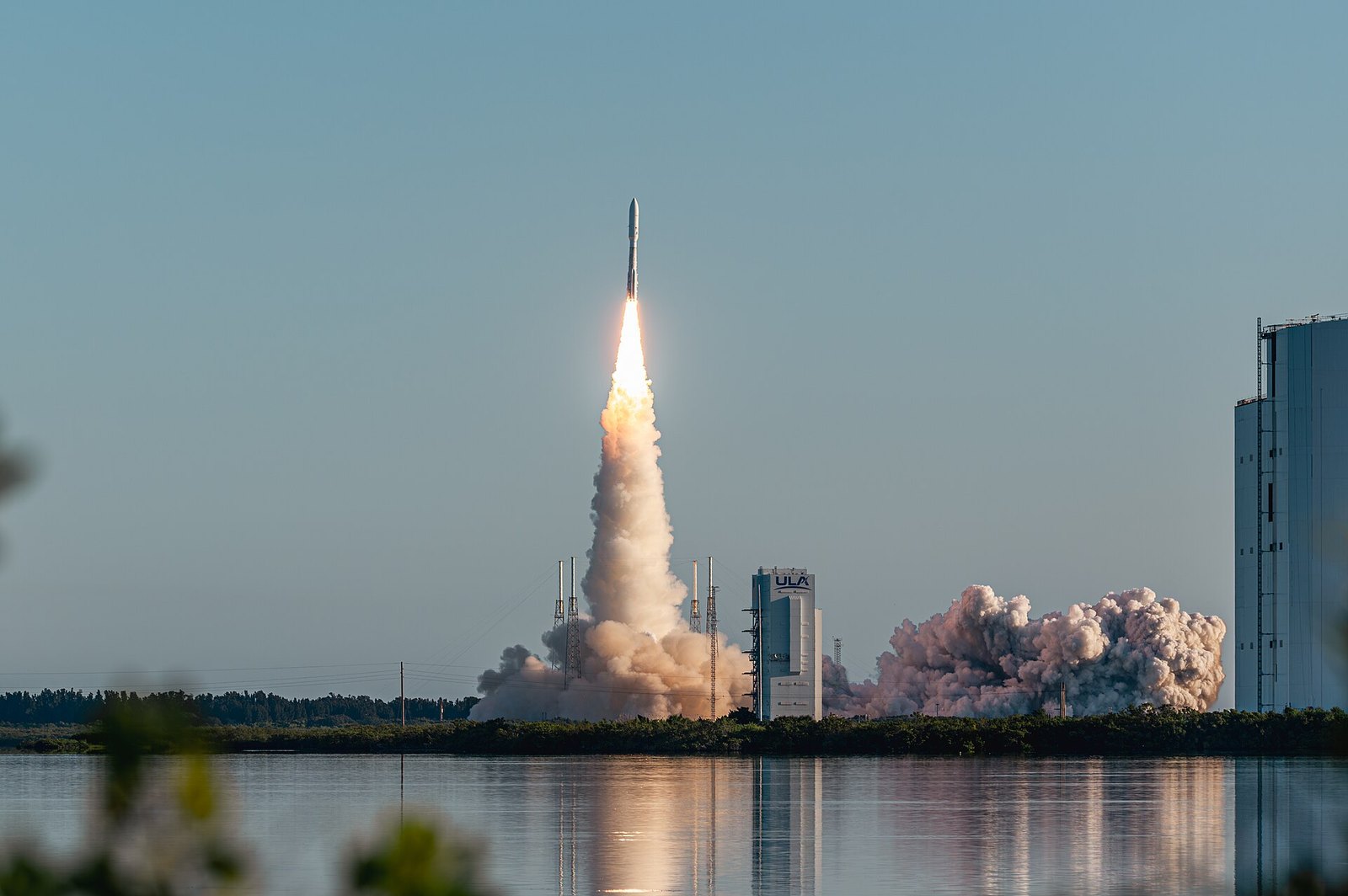
Daily briefing · · 3 min read
Orbit on 7 November 2026: four new fragments from a 1981 satellite, still at its own altitude
The catalog moved after three static mornings, and four of the seven new entries are debris from Meteor 2-7, launched in May 1981 and still flying at 821 by 891 kilometres.
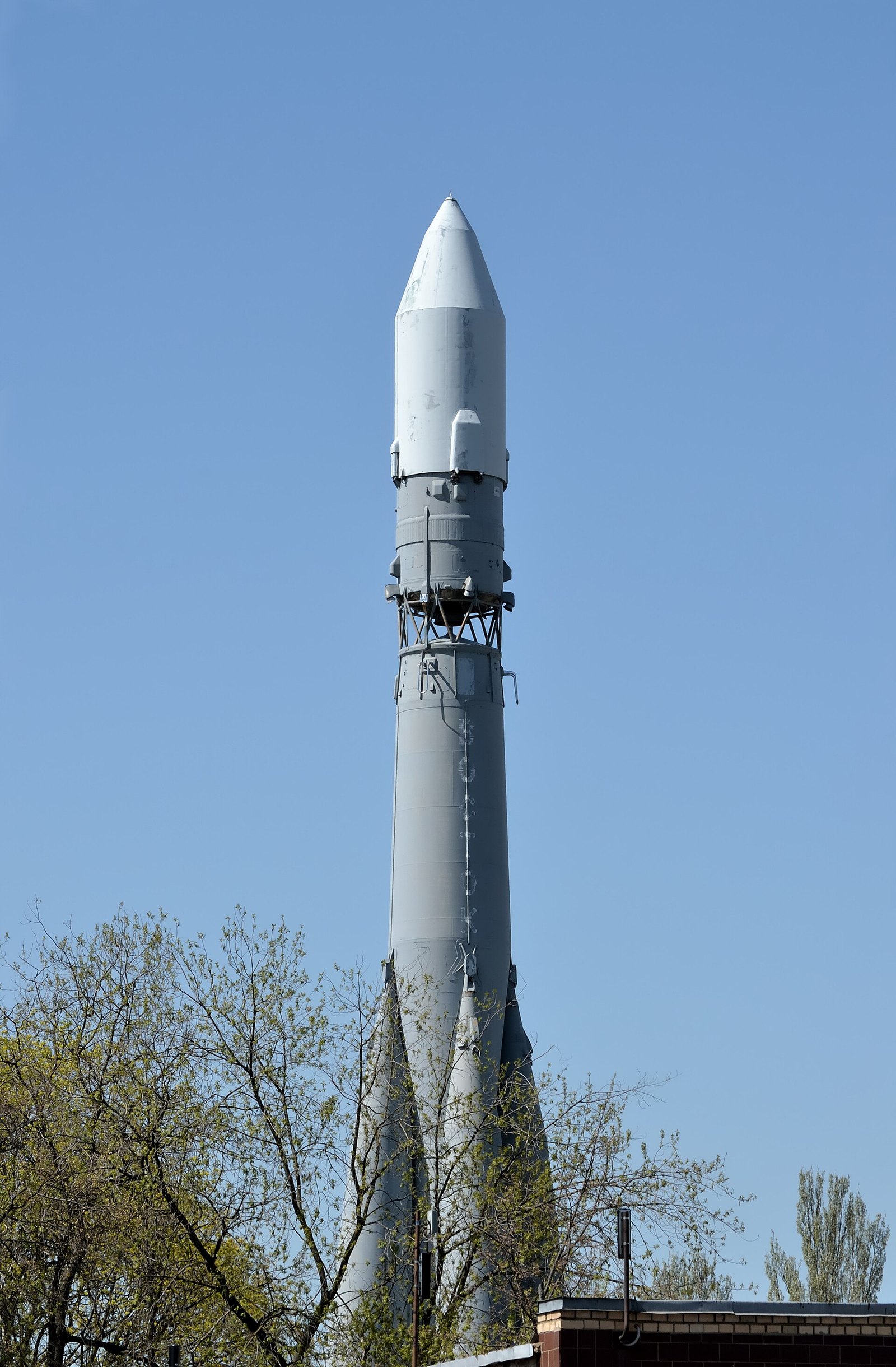
Four of the seven objects added to the public catalog overnight are debris from a Soviet weather satellite launched on 14 May 1981, and all four are sitting within a few kilometres of the altitude the satellite itself still holds. Meteor 2-7 reads 821 by 891 kilometres this morning; its new fragments read 821 by 885, 822 by 885, 823 by 893 and 822 by 895, on element sets published on 5 and 6 November (Space-Track.org).
The headline figures moved for the first time in four mornings. The catalog stands at 33,882 objects on orbit, five more than yesterday: 19,796 payloads, one fewer, and 14,086 spent stages and debris, six more, on a file refreshed at 11:58 UTC on 6 November (GCAT). The other three new entries come from the 2 November Electron launch: the QPS-SAR-20 radar satellite and both spent stages. Reentries are falling because the window is sliding, not because anything came down: 70 in thirty days against 74 yesterday, three in seven days against two, and nothing has decayed since 2 November. Against that, 215 objects went up in thirty days. The decay queue holds 113 objects with perigees below 250 kilometres, the lowest Iperdrone.0 at 125 by 141 kilometres on an element set from 27 October. On our catalog page the 400-to-500-kilometre band carries 10,444 objects, 10,258 of them payloads; the 800-to-900 band carries 2,754, of which 2,503 are debris.
Close approach of the day
For a thirtieth day there is none to publish. Today's screening ran normally: 184 rows of USSPACECOM public conjunction data on Space-Track.org merged into 41 future encounters, 39 of them recalculable with SGP4. The closest falls at 876 kilometres at 08:53 UTC today, a Delta 1 fragment and a Long March 6A fragment crossing at 14.1 kilometres per second, 111 metres apart on the official screening and 184 metres on our recalculation. Posting these events is held pending a redistribution check on the source, so our close-approach pages still carry the screening file of 8 October and should be read as history.
The object of the day: Meteor 2-7, catalog number 12456
Meteor 2-7 is a 2,750-kilogram cylinder with large solar arrays and no attitude control at the time of its break-up (NASA ODPO, 16th edition). NASA logs one known event, first dated March 2004, with 21 catalogued fragments of which 16 were still in orbit at that edition's cut-off, and notes that "the origination date of the pieces is not conclusive". The SL-3 stage from the same launch, still at 816 by 918 kilometres, had its own anomalous event around October 1996; NASA records the two as unrelated.
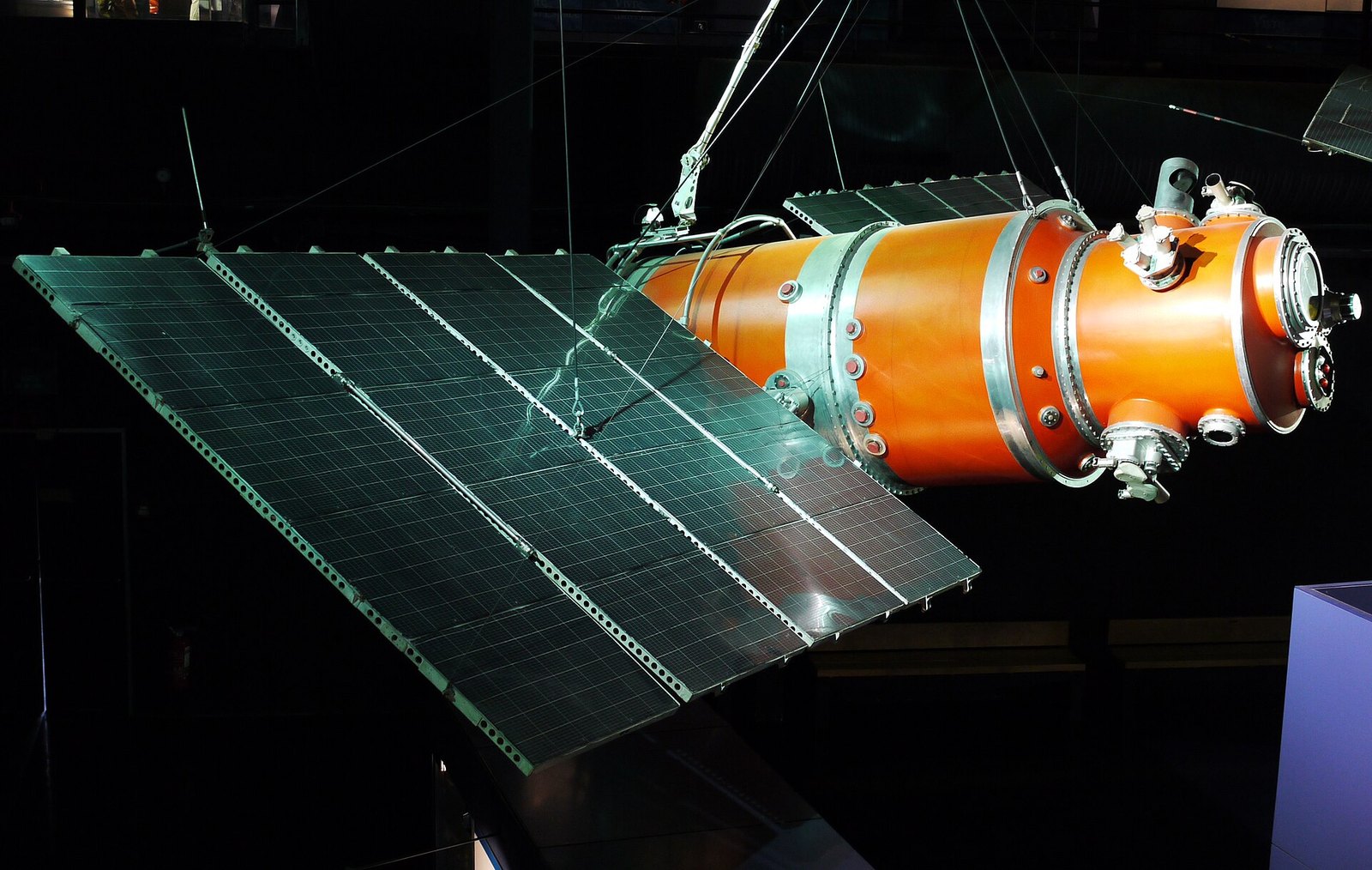
The public catalog now carries fifteen Meteor 2-7 fragments. Eleven, numbered between 2004 and 2024, have worked downwards: their perigees run from 583 to 758 kilometres, the lowest of them at 583 by 600. The four from this week have not moved at all, and that is the whole of the observation: fragments loose for twenty-two years spread in altitude, and these have not had time to. One of them has no radar cross-section class on file yet. Read it as what the element sets imply and nothing more, since no event has been announced and these may prove to be old pieces newly resolved.
ClearOrbit's view
ESA counts about 47,320 objects tracked and catalogued, more than 660 fragmentation events and more than 17,500 tonnes in orbit, and models 1.5 million objects between one and ten centimetres that nobody tracks at all (ESA DISCOS, 2 November 2026). Four catalogued fragments appearing forty-five years after launch, from a satellite nobody has commanded in decades, is the ordinary way that population grows.
ClearOrbit has flown nothing and holds no contracts. What we argue is that removal priority should be set partly by what an object has already shed, not by mass and altitude alone. Meteor 2-7 is 2.75 tonnes in the dirtiest shell in low orbit and has been producing catalogued debris across four decades. Passivation would not have helped here: the satellite was long dead when the first fragments appeared. What helps is taking the known shedders down while they are still single objects.
Reader mail
Have a better idea?Spotted something we got wrong?
We publish in public so the numbers can be checked. If a figure looks wrong, a source is missing, or you know something this piece should have said, send it over. One box, no sign-up.
Send an idea or correctionQuick question
Who should pay for cleaning up orbit?
Anonymous. You will see how others answered after you vote.