Daily briefing · · 3 min read
Orbit on 8 November 2026: Swift came down over Sumatra, and the stage from its failed rescue is still in orbit
NASA's 1,470-kilogram Swift observatory reentered at 12:39 UTC on 4 November with no propellant of its own. The Pegasus stage from July's boost mission is still at 316 by 332 kilometres.
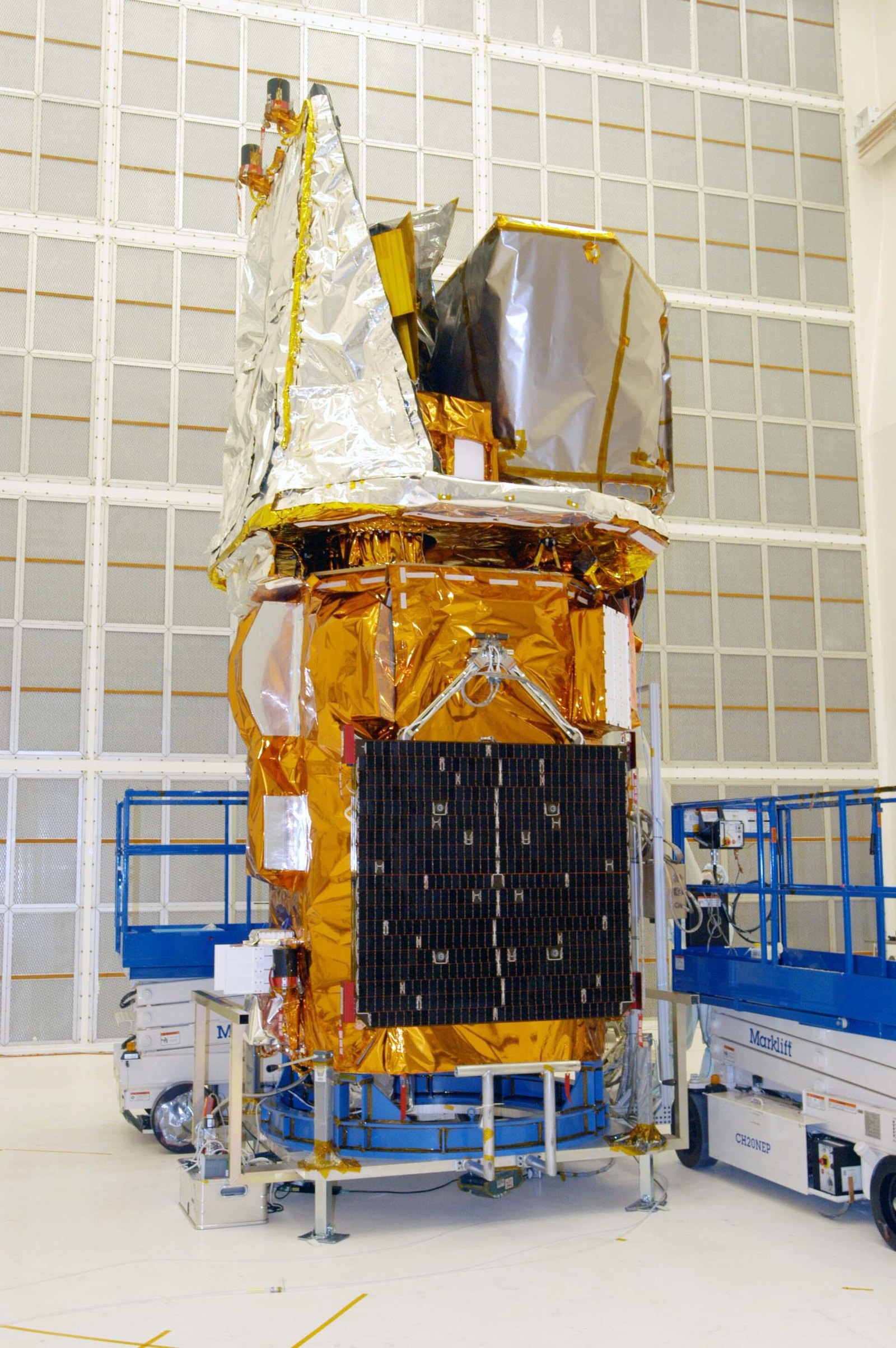
NASA's Neil Gehrels Swift Observatory reentered the atmosphere at 12:39 UTC on 4 November over North Sumatra, near 3.4 degrees north and 98.6 degrees east, as confirmed by the US Space Force (NASA, 4 November 2026). Today's catalog refresh is the first to carry it as decayed. Swift had no way to prevent it: GCAT lists its dry mass and its total mass as the same 1,470 kilograms, which is how a catalog records a spacecraft with no propellant at all (GCAT). It launched on 20 November 2004 into 584 by 604 kilometres, on a two-year prime mission that ran almost twenty-two years.
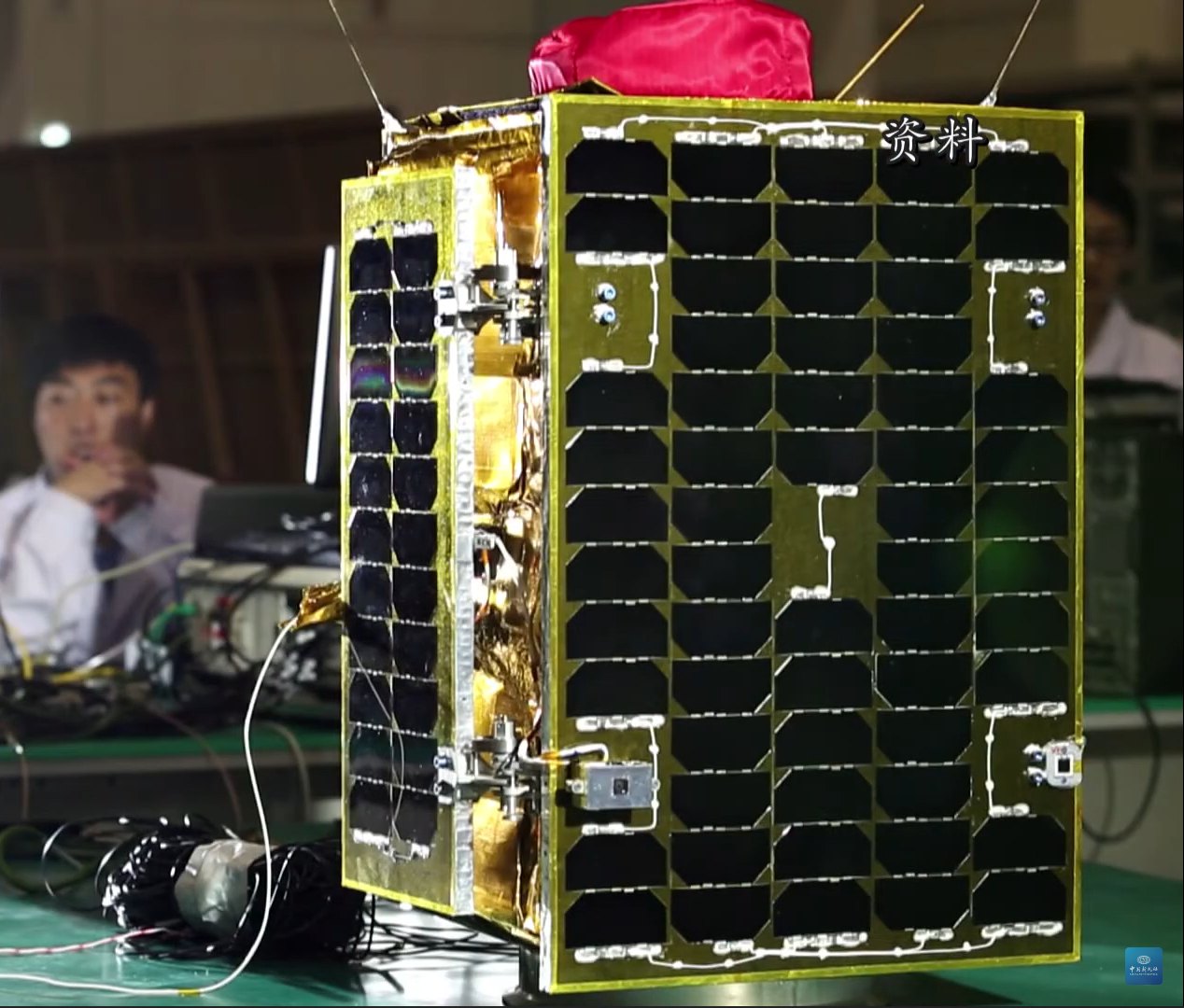
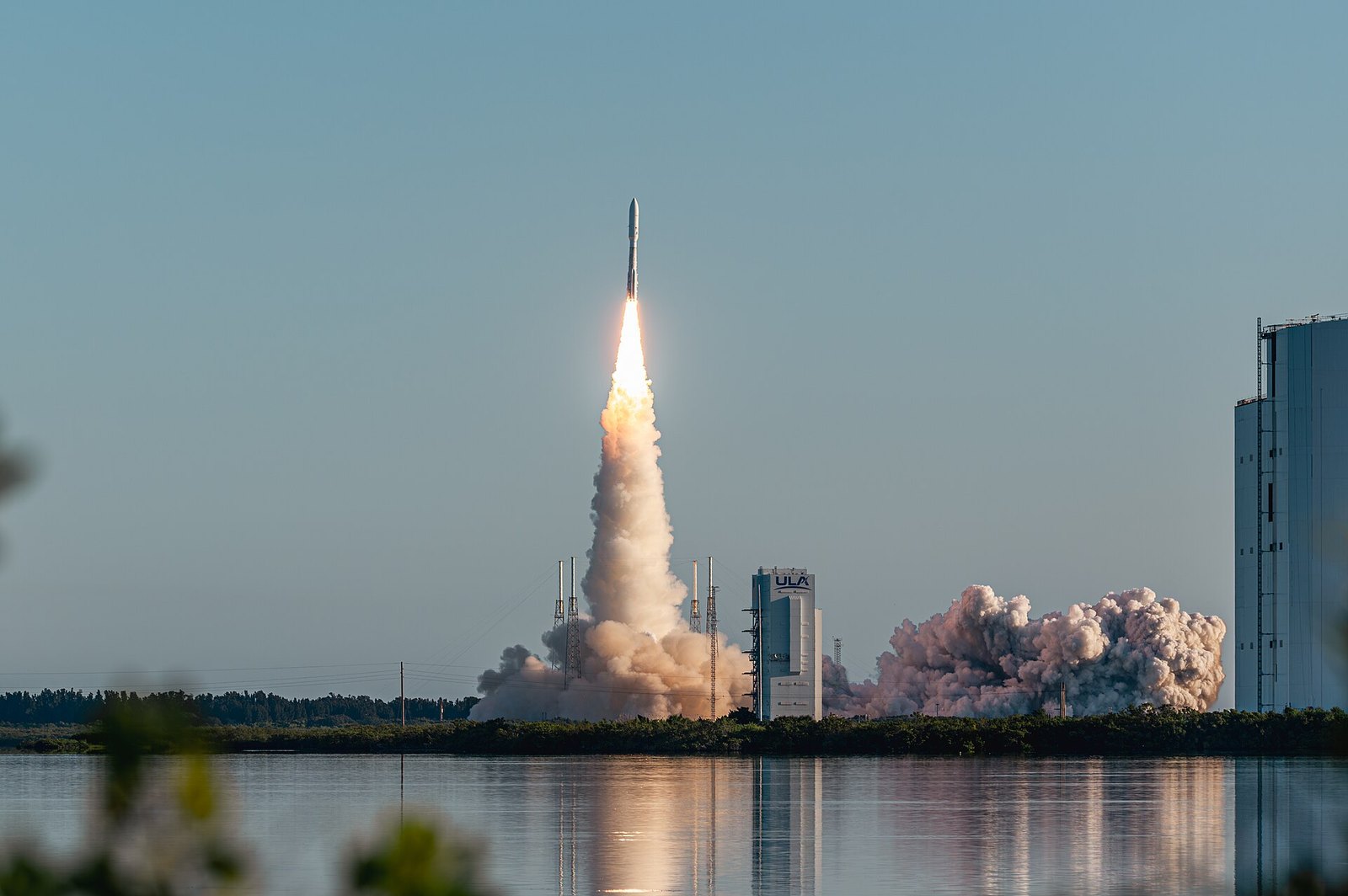
Because it could not raise itself, someone else had to try. NASA contracted Katalyst Space of Flagstaff, Arizona in September 2025 to build LINK, which launched on a Pegasus XL from Kwajalein on 3 July 2026 into 360 by 392 kilometres, in Swift's own 20.59-degree plane. Communications losses and attitude-control trouble cut it back to technology demonstrations with no grapple attempt; NASA ended its involvement on 3 September and LINK reentered on 25 September (NASA). Swift reached 275 kilometres on 20 October, lost the drag-minimising attitude that had bought it months, and went to safe mode (NASA, 23 October 2026).
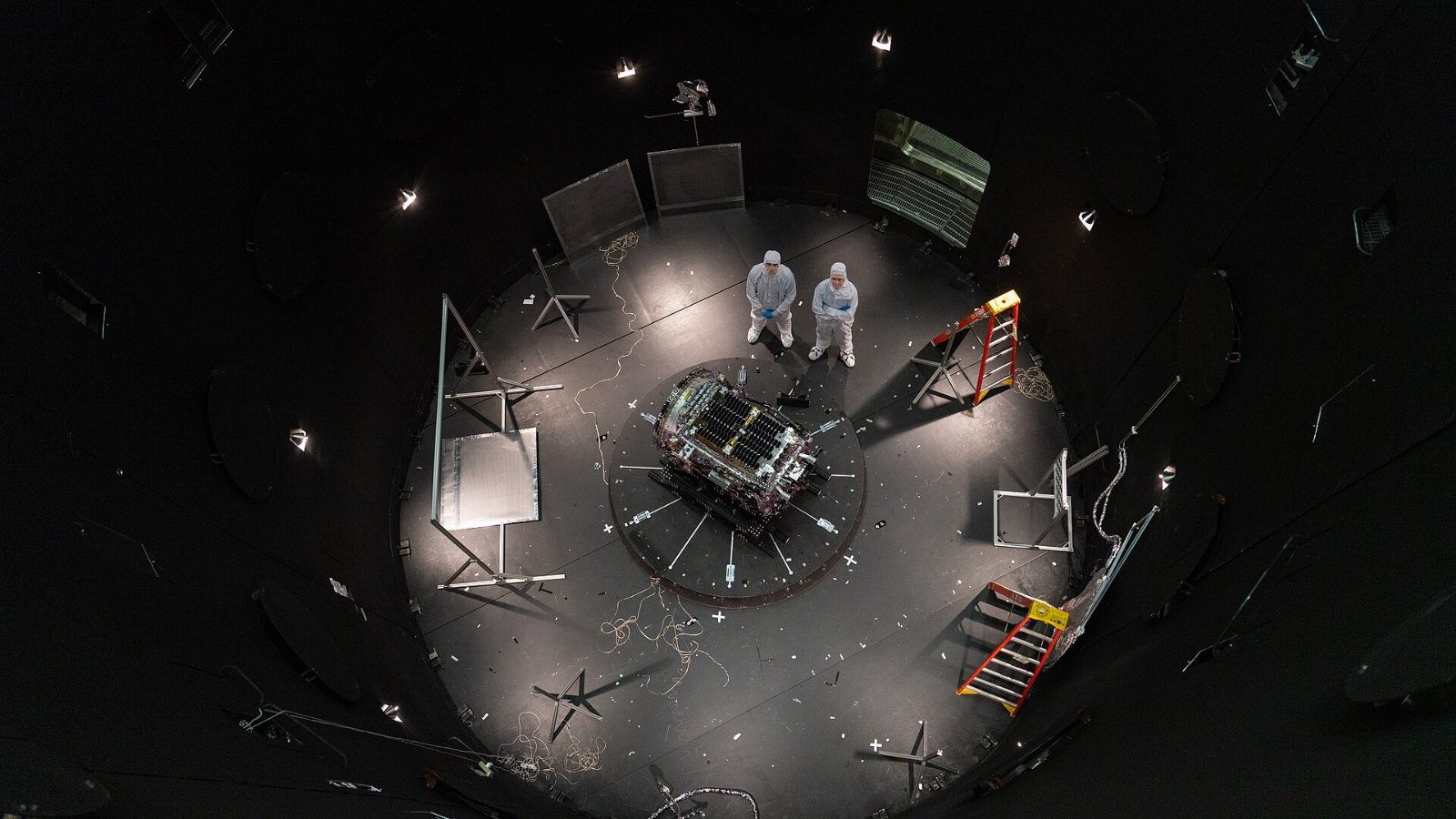
The catalog moved sharply today: 33,941 objects on orbit, fifty-nine more than yesterday, with 19,856 payloads and 14,085 spent stages and debris (GCAT). Twenty-three of the new payloads are one US military batch from a 7 November launch, numbered USA 726 to USA 748, none with a published orbit yet. Reentries caught up too, to 75 in thirty days against 70 yesterday and eleven in seven days against three, because eight decays dated 2 to 6 November were booked at once; Swift was the heaviest of them by a factor of two. The decay queue holds 105 objects below 250 kilometres, the lowest HYPSO-1 at 125 by 144 on a 2 November element set. On our catalog page the 400-to-500-kilometre band holds 10,436 objects, almost all payloads, and the 800-to-900 band 2,751, of which 2,501 are debris.
Close approach of the day
For a thirty-first day there is none to publish. Today's screening ran cleanly: 129 rows of USSPACECOM public conjunction data on Space-Track.org merged into 33 future encounters, 29 of them recalculable with SGP4, eight of the 33 inside 100 metres. Posting the events is held pending a redistribution check with the data's owner, so we name no objects, times or distances from this run; our close-approach pages still carry the 8 October file and should be read as history.
The object of the day: Pegasus F46 Stage 3, catalog number 69793
The stage that launched the rescue is the only part of this story still in orbit: 202 kilograms of spent solid motor at 316 by 332 kilometres and 20.59 degrees on a 6 November element set, some 45 kilometres of perigee below the 361 by 392 it was left in four months ago (GCAT). It has outlived both the observatory it was sent to save and the servicer sent to save it. Swift's launch catalogued two objects; the 1,500-kilogram Delta second stage reentered thirty-three days later, and the satellite took twenty-two years.
ClearOrbit's view
ESA counts about 47,340 objects tracked and catalogued and more than 17,500 tonnes in orbit, and models 1.5 million objects between one and ten centimetres that nobody tracks (ESA DISCOS, 2 November 2026). Swift showed the gap in that picture: a 1.5-tonne asset with no propellant, a known deadline, a funded commercial attempt, and still no boost. LINK was Flown and it reached orbit; the capability it was meant to prove is not there yet.
ClearOrbit has flown nothing and holds no contracts. What we argue is that servicing must be arranged while the target is still high, not three weeks from 275 kilometres. Penn State held Swift above its own point of no return for months with nothing but pointing, and that is the margin a rendezvous needs and a rescue spends. Prove it on a target nobody is in a hurry about, and the hard cases become schedulable rather than heroic.
Reader mail
Have a better idea?Spotted something we got wrong?
We publish in public so the numbers can be checked. If a figure looks wrong, a source is missing, or you know something this piece should have said, send it over. One box, no sign-up.
Send an idea or correctionQuick question
Who should pay for cleaning up orbit?
Anonymous. You will see how others answered after you vote.