Daily briefing · · 3 min read
Orbit on 9 November 2026: the lowest object in the catalog is a working satellite at 125 kilometres
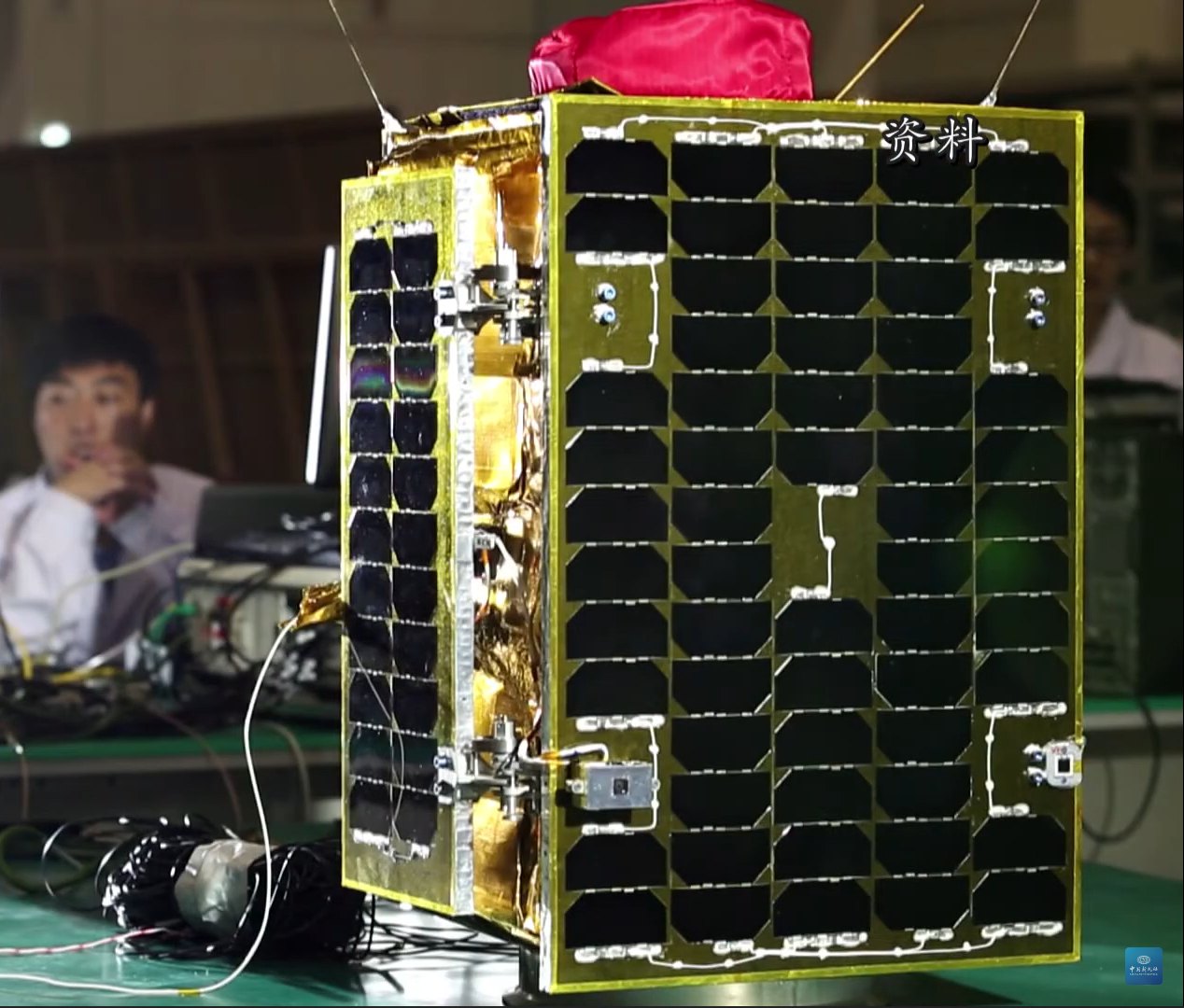
HYPSO-1, a 10-kilogram Norwegian cubesat with no propulsion, is at 125 by 144 kilometres and still being operated. Nothing entered or left the catalog overnight.

The lowest object in the catalog this morning is not a fragment or a spent stage. It is HYPSO-1, a 10-kilogram six-unit cubesat built and still flown by the Norwegian University of Science and Technology, at 125 by 144 kilometres on a 2 November element set — the lowest perigee of any object the catalog still marks as active (GCAT). Its orbital period is down to 87.2 minutes. NTNU expects it to reenter this month and is tracking it with element sets and radio beacon passes over Norway and Germany (NTNU SmallSat Lab).
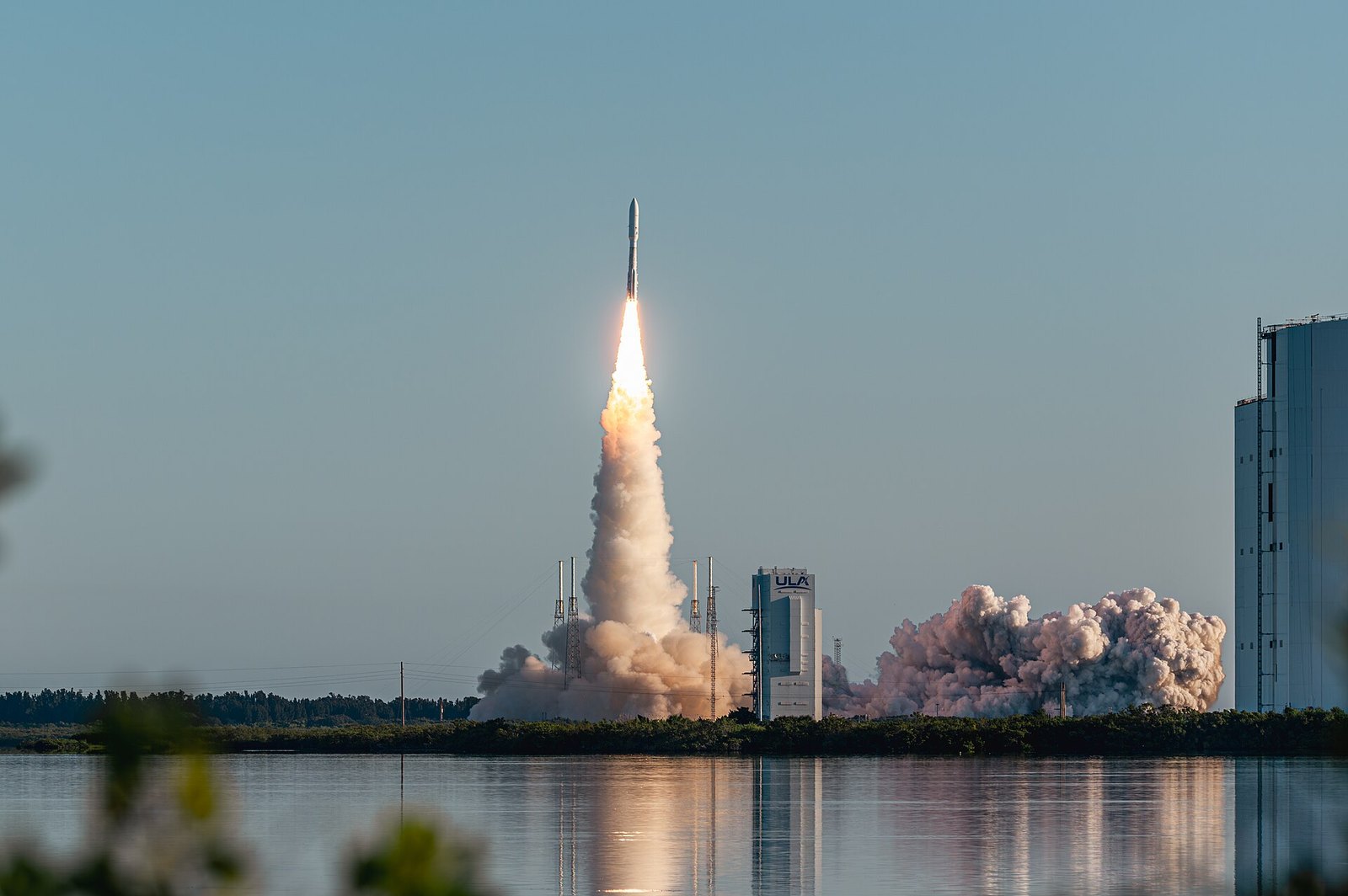
It launched on 13 January 2022 at 16:28 UTC on the Transporter-3 rideshare, into 525 by 535 kilometres at 97.50 degrees, carrying a hyperspectral imager for ocean colour at roughly 150 metres per pixel (GCAT). Its motor field is empty: ten kilograms, no propulsion, nothing aboard that could raise or lower it. Everything between 525 kilometres and this morning's 125 was done by air. That is the argument for the 500-kilometre band in one object — a satellite with no disposal system at all has cleared itself in under five years, and kept working on the way down.
What changed
Nothing, in the headcount. The catalog holds 33,941 objects on orbit, identical to yesterday on every line: 19,856 payloads and 14,085 spent stages and debris, out of 70,643 ever catalogued (GCAT). Reentries stand at 75 in thirty days and nine in seven, down from eleven yesterday as the window rolled past early-November decays. The decay queue holds 105 objects below 250 kilometres, with Henan-1 at 143 and a Kosmos-1408 fragment at 149 just above HYPSO-1. On our catalog page the 400-to-500-kilometre band holds 10,436 objects, 10,249 of them working payloads, the 800-to-900 band 2,751, of which 2,501 are debris.
Close approach of the day
For a thirty-second day there is none to publish. This morning's screening ran cleanly: 140 rows of USSPACECOM public conjunction data on Space-Track.org merged into 35 future encounters, 31 of them recalculated with SGP4. Posting them is still held pending a redistribution check with the data's owner, so we name no objects, times or distances from this run. Our close-approach pages carry the 8 October file and should be read as history, not as today's sky.
The object of the day: Starlink 36253, catalog number 68028
A 575-kilogram satellite launched on 1 March 2026 into 237 by 249 kilometres came down on 6 November at about 01:45 UTC (GCAT). Its failure is on the record: SpaceX's semi-annual report to the FCC, filed on 1 July 2026 for the period to 31 May, lists STARLINK-36253 as a Gen 1 disposal failure dated 6 June 2026, cause given as a suspected hardware failure, with SpaceX out of contact and the satellite lacking the attitude control needed for collision avoidance (SpaceX to FCC, 1 July 2026).
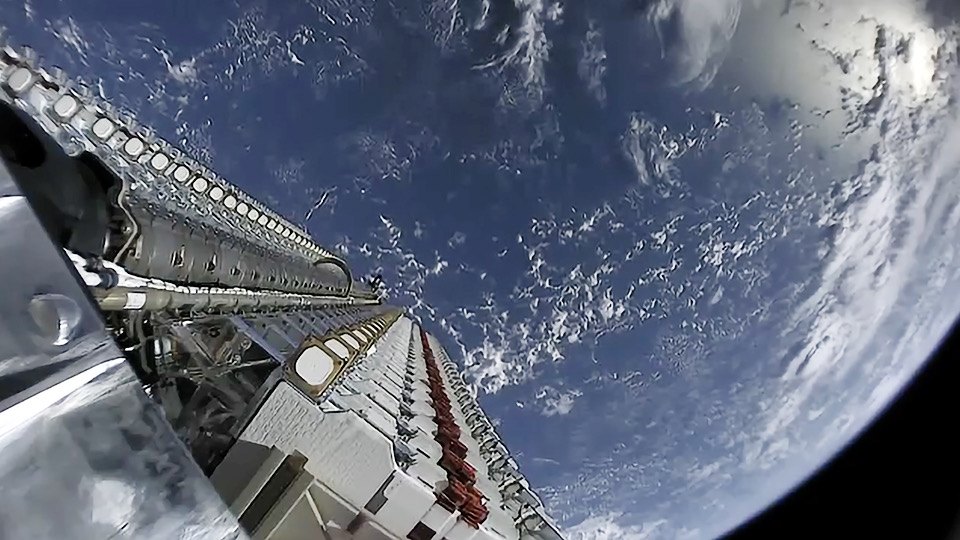
For five months it was a dead, unsteerable 575-kilogram object that could not be moved out of anything's way, and then it fell on its own, because of where it was. The same report records 65,137 propulsive manoeuvres by Gen 1 satellites and 142,015 by Gen 2 over those six months: a fleet that dodges because it can. This one could not, and the air settled it instead.
ClearOrbit's view
ESA counts about 47,340 objects tracked and catalogued, more than 17,500 tonnes in orbit, and models 68,450 objects above ten centimetres with 1.5 million between one and ten (ESA DISCOS, 2 November 2026). Two came up today: a ten-kilogram cubesat and a 575-kilogram satellite, neither able to steer, both cleared by drag inside five years.
ClearOrbit has flown nothing and holds no contracts. What today argues is that altitude, not hardware, did the disposal work in both cases, and that the shell where drag does nothing is exactly where the objects are: 2,501 pieces of debris against 250 working payloads between 800 and 900 kilometres. Nothing up there will do what HYPSO-1 just did unaided. Removal is the only mechanism that turns those centuries into years, and it has to be built for the band that cannot help itself.
Reader mail
Have a better idea?Spotted something we got wrong?
We publish in public so the numbers can be checked. If a figure looks wrong, a source is missing, or you know something this piece should have said, send it over. One box, no sign-up.
Send an idea or correctionQuick question
Who should pay for cleaning up orbit?
Anonymous. You will see how others answered after you vote.