Daily briefing · · 3 min read
Orbit on 14 November 2026: eleven reentries booked at once, and one is dated three days from now
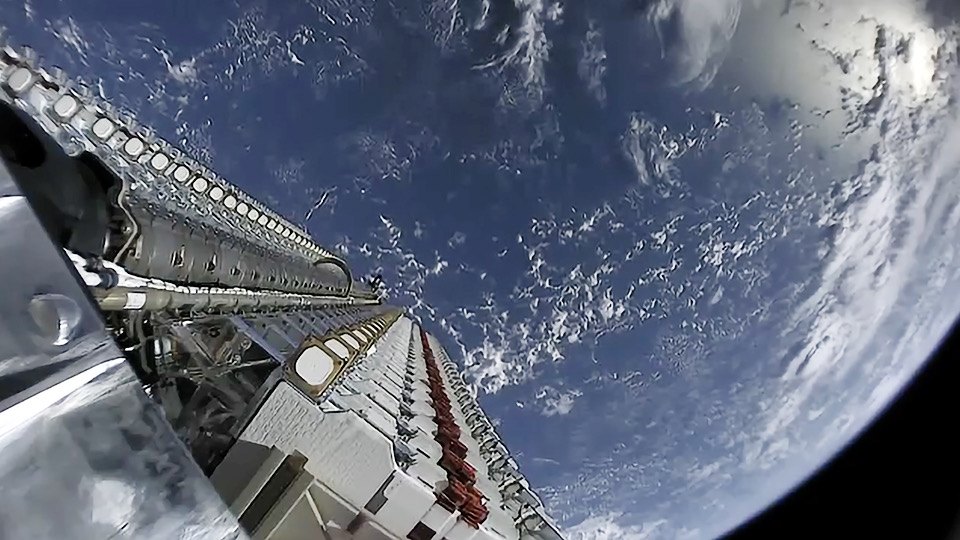
After six days with nothing booked down, the catalog logged eleven more reentries overnight, and the twelve most recent bookings are all Starlink. One is timed 17 November, three days away.
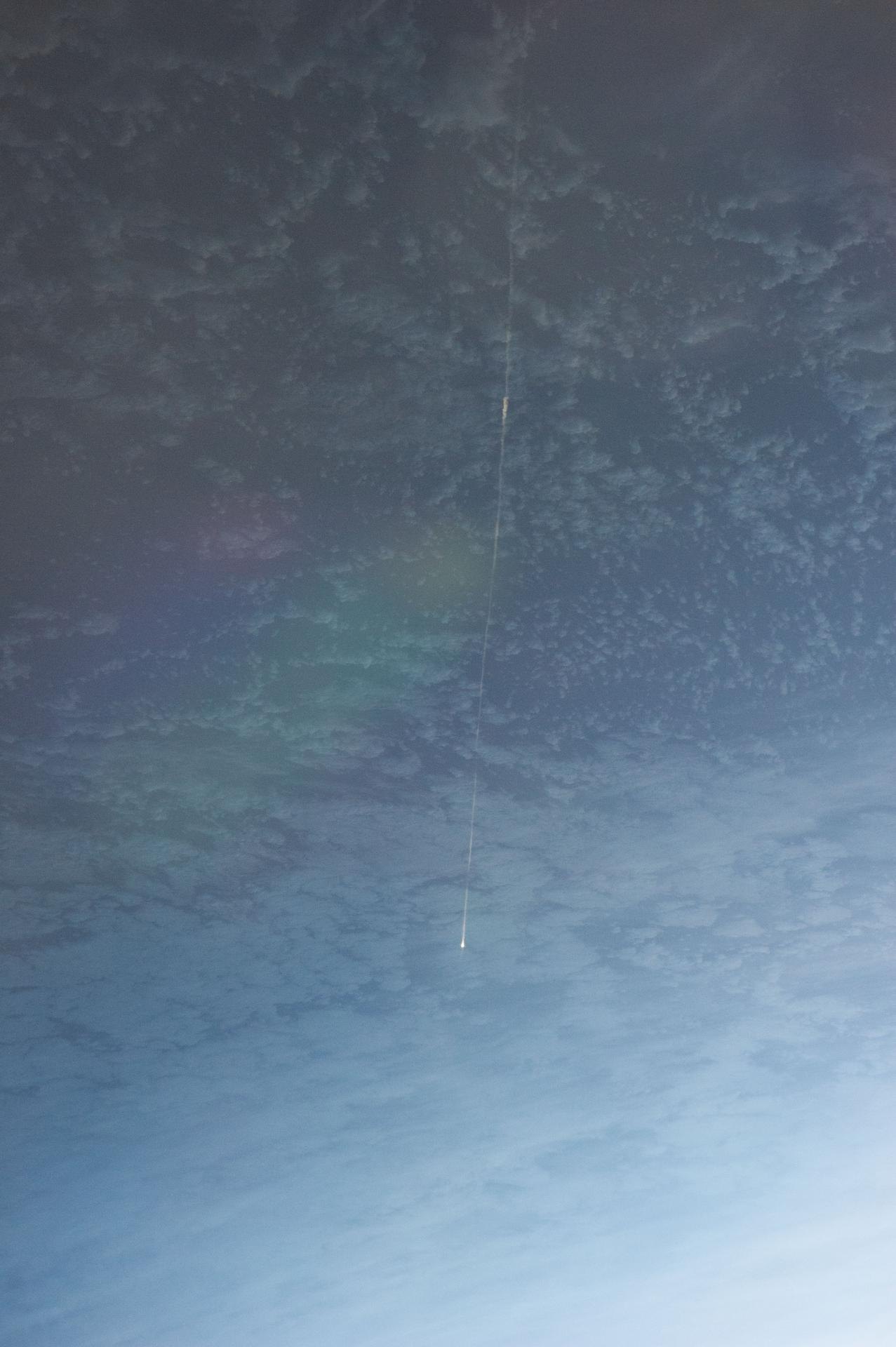
Six days with nothing booked down ended in one overnight update. The catalog now records 37,560 objects as reentered, eleven more than yesterday, and the seven-day reentry count has gone from four to twelve (GCAT). All twelve of the most recent bookings are Starlinks. One, Starlink 30221, carries a reentry time of 17 November at 17:37 — three days from now.
It is the only entry in the file dated later than the file itself, stamped 13 November. A reentry time three days in the future, carrying no uncertainty mark, is either a forecast written into the column that records fact or a slip of the pen, and the file alone does not say which. It settles itself within the week. The other eleven are ordinary bookkeeping done late: Starlink 2298, which this briefing listed yesterday as still flying at 152 by 158 kilometres, is now booked down on 5 November, nine days after the event.
What changed
The on-orbit count stands at 33,969, up thirteen, 19,884 payloads against 14,085 spent stages and debris, out of 70,686 ever catalogued (GCAT). Twenty-three of the twenty-five new entries are one batch, USA 749 through USA 771, logged to a 12 November launch and none yet carrying a published orbit. Launches over thirty days rose from 228 to 242, reentries from 58 to 68.
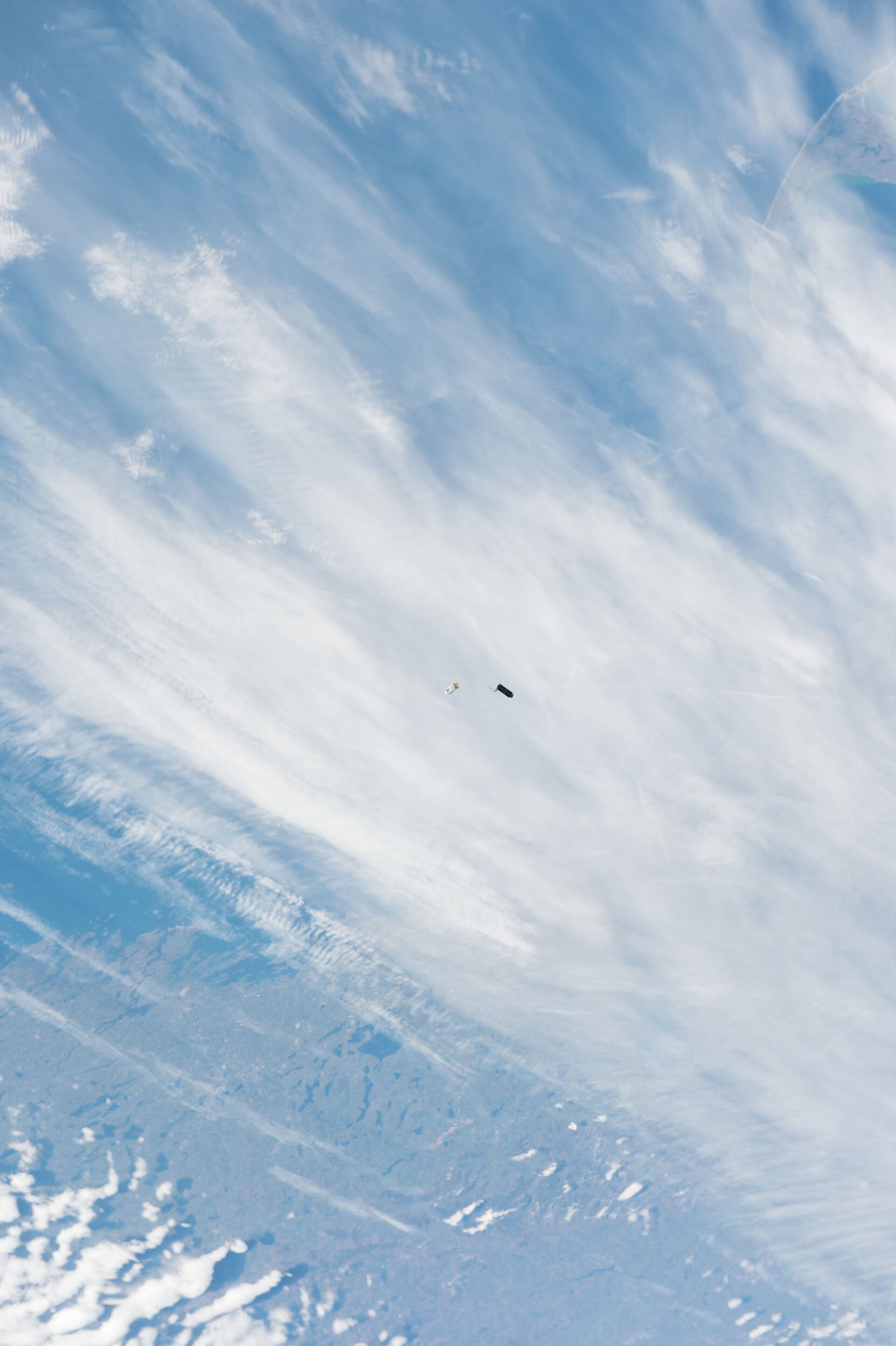
The decay queue below 250 kilometres fell from 107 objects to 86. Its floor is a Kosmos-1408 fragment at 118 by 136 kilometres, measured on 4 November, with HYPSO-1 at 125 by 144 behind it. Higher up nothing shifts: 10,367 objects between 400 and 500 kilometres, 10,178 of them working payloads, against 4,752 pieces of debris between 700 and 900 kilometres, where the air does not reach.
Close approach of the day
None to publish, for the same reason as yesterday. This morning's screening ran cleanly — 118 rows of USSPACECOM public conjunction data on Space-Track.org, merged into twenty future encounters, all twenty recalculated with SGP4 — but posting events from that feed is held pending a redistribution check with its owner, so no objects, times or distances appear here. Our close-approach pages still carry the 8 October screening, thirty-six days old. The outcome check found nothing that had passed and nothing due in the next 48 hours.
The object of the day: Blok DM-SL No. 26L, catalog number 32730
On 19 March 2008 a Sea Launch Zenit-3SL lifted off from the Odyssey platform in the equatorial Pacific carrying DIRECTV 11, a Boeing 702 (Boeing). The satellite still works, parked at 35,782 by 35,786 kilometres and inclined a hundredth of a degree. Its upper stage was measured the same day, 10 November, at 118 by 4,000 kilometres (GCAT).
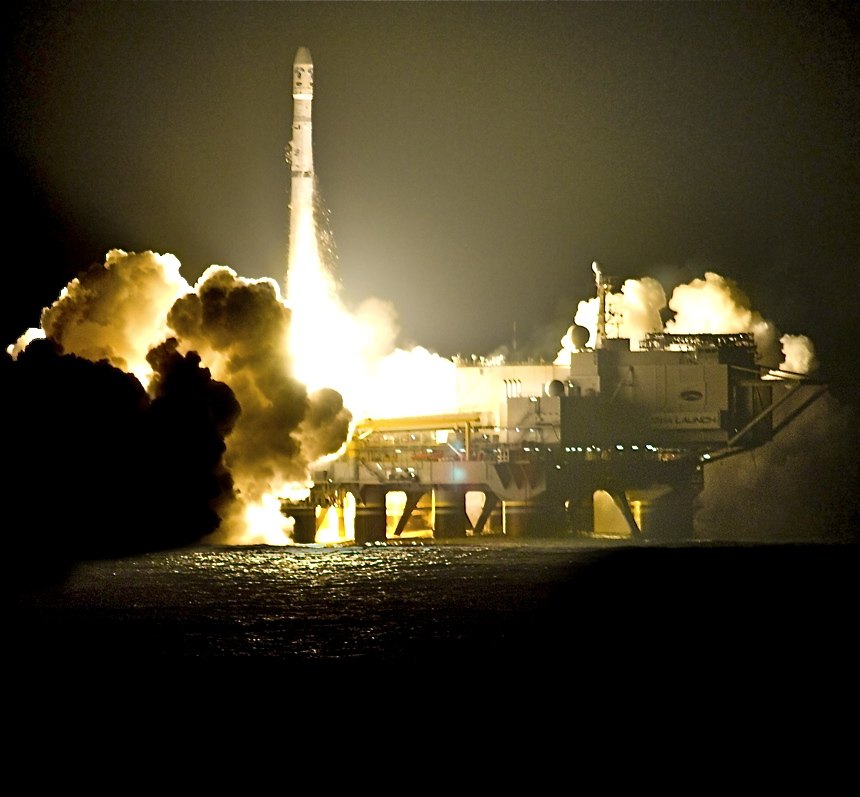
Eighteen years and eight months on, that stage is days from the air. It has spent them on an eccentric orbit cutting down through every low shell and back out twice a revolution, and what ends it is what ends the Starlinks: a perigee low enough for the atmosphere to take a bite each pass. Nobody commanded it. The depletion burn in 2008 left it where drag could eventually reach, and drag took eighteen years.
ClearOrbit's view
ESA's statistics, updated on 2 November 2026, count about 47,390 objects tracked and catalogued and model 68,450 larger than ten centimetres against roughly 11,300 active payloads (ESA DISCOS).
ClearOrbit has flown nothing and holds no contracts. Two objects from one 2008 launch make the argument better than any projection: the stage comes down because somebody spent its last propellant pointing it downhill, and the satellite stays up because geostationary orbit has no downhill at all.
Today's backlog shows the second half of the problem. Even where physics is doing the work, the record of what has come down runs days to weeks behind, and one line in it is dated into the future. Removal needs a ledger that is current, not one reconciled afterwards — and the 4,752 fragments between 700 and 900 kilometres will never reconcile themselves at all.
Reader mail
Have a better idea?Spotted something we got wrong?
We publish in public so the numbers can be checked. If a figure looks wrong, a source is missing, or you know something this piece should have said, send it over. One box, no sign-up.
Send an idea or correctionQuick question
Who should pay for cleaning up orbit?
Anonymous. You will see how others answered after you vote.