Daily briefing · · 3 min read
Orbit on 15 November 2026: 617 of the 636 objects under the station's designator have come down
The International Space Station's own catalog designator covers 636 objects. Thirteen are still in orbit, one of them the station. Six CubeSats released on one February morning show why.
Every satellite pushed out of the International Space Station inherits the station's international designator, 1998-067, with a letter suffix. The catalog holds 636 pieces under it. Six hundred and seven are logged as reentered and ten more came down or landed inside another vehicle; six are still bolted to station hardware or sitting in a deployer. Thirteen are in orbit on their own, and one of the thirteen is Zarya, the module the designator belongs to, measured on 12 November at 413 by 423 kilometres (GCAT).
That leaves twelve satellites, and every one of them is below the station. Of the 428 payloads ever catalogued under 1998-067, the median was gone 401 days after the launch date GCAT gives it. Nobody disposed of them; they were released at the station's altitude, where the air still bites.
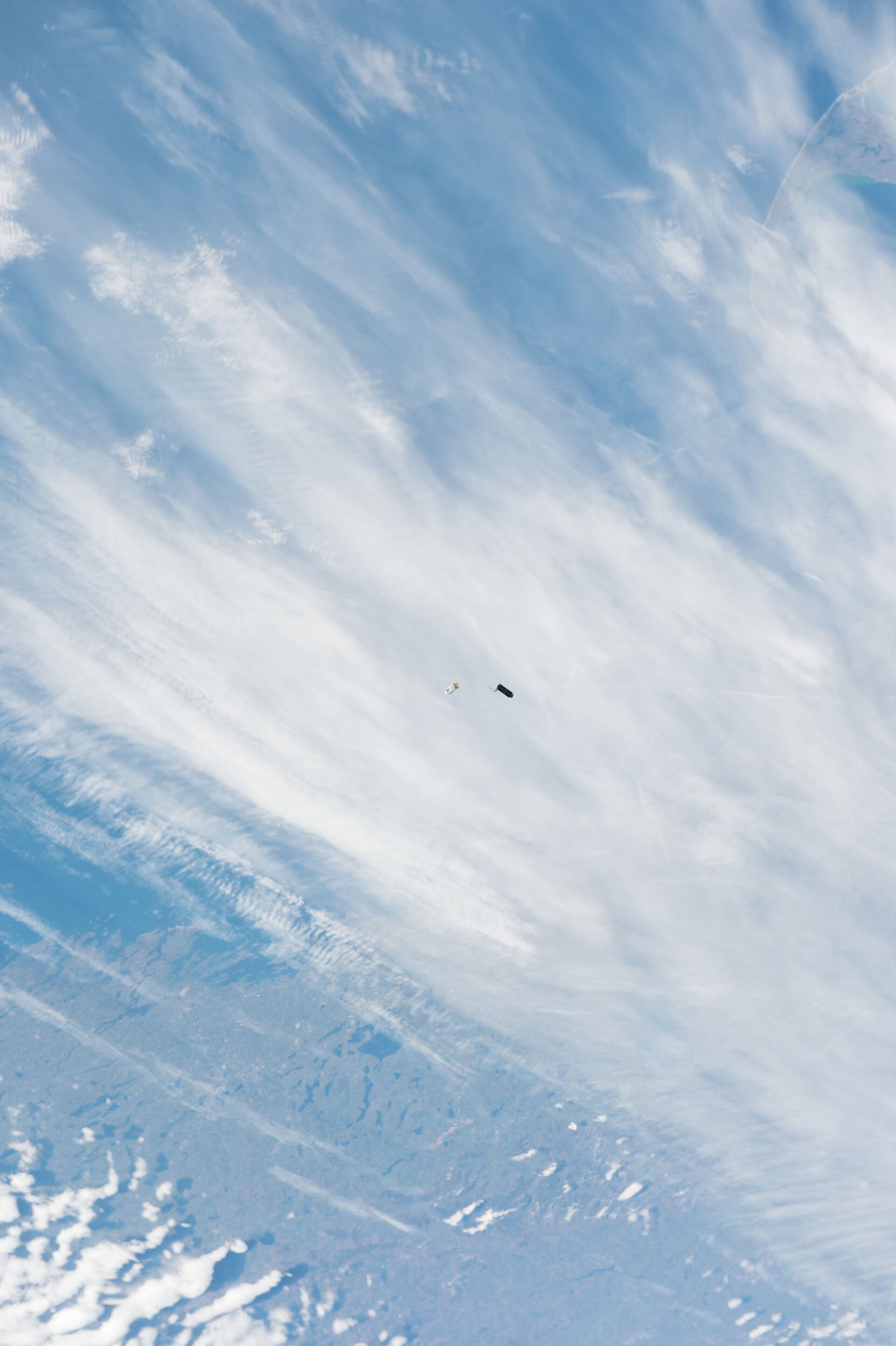
One morning makes the case. On 3 February 2026 the Kibo airlock put out six CubeSats: Gxiba-1 from Mexico, CoRAL from Italy, KNACKSAT-2 from Thailand, Teruteru from Hokkaido University of Science, UiTMSAT-2 from Malaysia and LEOPARD from the Kyushu Institute of Technology (JAXA). CoRAL reentered on 1 August, 179 days later; UiTMSAT-2 on 22 October, 261 days. The other four are strung across 153 kilometres of perigee: LEOPARD at 173, Teruteru at 204, Gxiba-1 at 298, KNACKSAT-2 at 326 (GCAT). Same morning, same altitude — different area-to-mass ratios and nine months of drag.
What changed
Nothing did. The on-orbit count is unchanged at 33,969, 19,884 payloads against 14,085 spent stages and debris, out of 70,686 ever catalogued — the same figures as yesterday, because the source file is the same one, still stamped 13 November at 01:05 UTC (GCAT). Launches over thirty days hold at 242; the rolling reentry count slipped from 68 to 66 as the window moved.
The decay queue below 250 kilometres holds 86 objects, its floor still a Kosmos-1408 fragment at 118 by 136 kilometres, measured 4 November. Above it, 10,367 objects fly between 400 and 500 kilometres, 10,178 of them working payloads, while 4,752 pieces of debris sit between 700 and 900 kilometres where nothing of the sort happens.
Close approach of the day
None to publish, for the third day running. This morning's screening ran cleanly — 138 rows of USSPACECOM public conjunction data on Space-Track.org, merged into 26 future encounters, 25 recalculated with SGP4 — but posting events from that feed is held pending a redistribution check with its owner, so no objects, times or distances appear here. Our close-approach pages still carry the 8 October screening, 37 days old; the outcome check found nothing passed and nothing due inside 48 hours.
The object of the day: LEOPARD, catalog number 67687
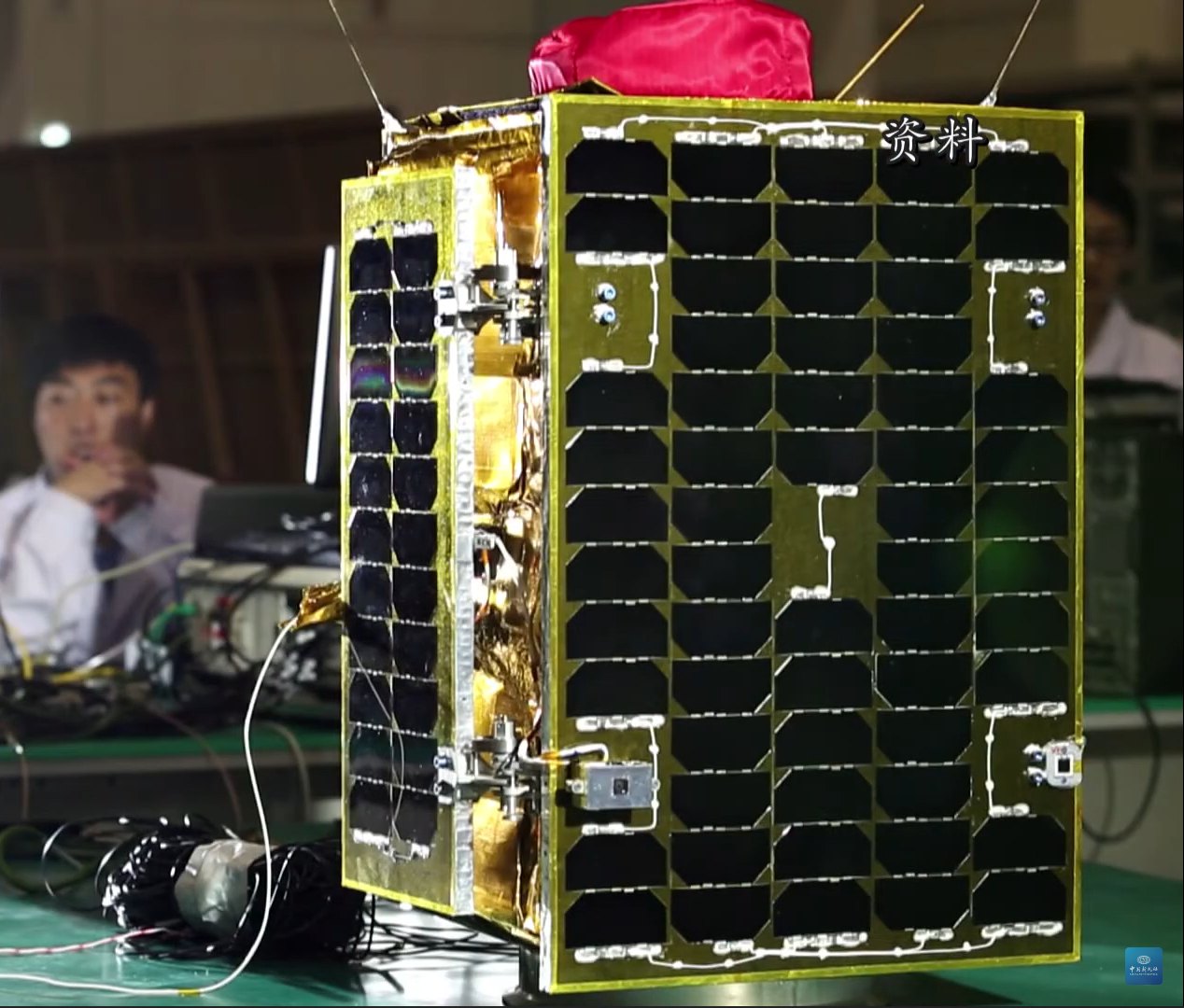
LEOPARD is a 3U CubeSat built by the Kyushu Institute of Technology, thirty centimetres of spacecraft released from Kibo on 3 February 2026 (JAXA). On 3 November, 273 days later, it measured 173 by 173 kilometres, inclined 51.60 degrees (GCAT).
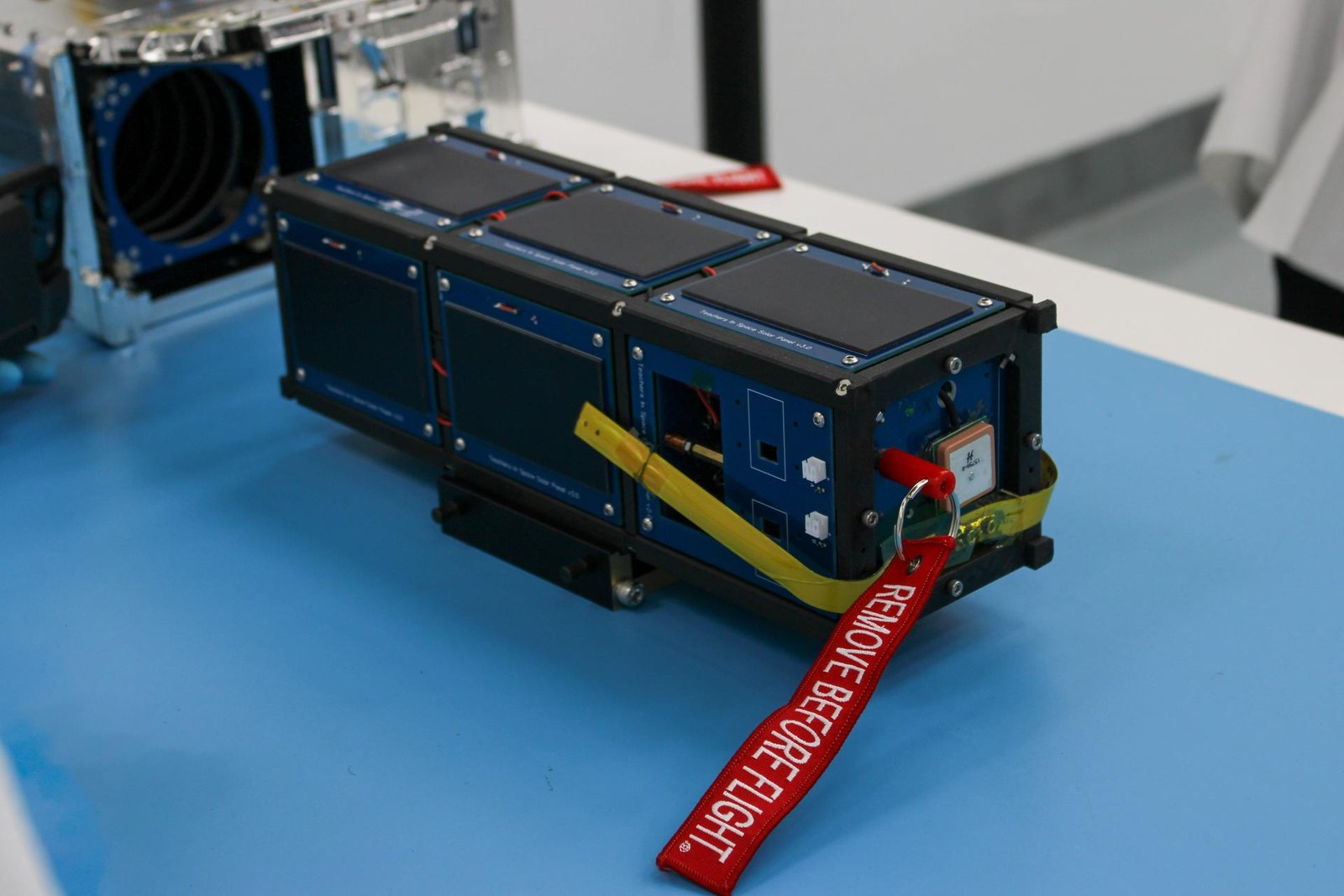
A circular orbit at 173 kilometres is a final one. There is no manoeuvre to report and no end-of-life plan to credit: the satellite will be in the catalog's reentry column within weeks, and the only reason is the altitude it started from. Why the date cannot be pinned down closer than that is its own problem.
ClearOrbit's view
ESA's statistics, updated on 13 November 2026, count about 47,260 objects tracked and catalogued and model 68,450 larger than ten centimetres against roughly 11,300 active payloads; the total mass in orbit is put at more than 17,600 tonnes (ESA DISCOS).
ClearOrbit has flown nothing and holds no contracts. The station's designator is the cleanest disposal record in the catalog, and it was not earned by engineering. Release something at 400 kilometres and the atmosphere closes the file in about a year, as it has for 617 of these 636 objects. That is the whole trick, and it only works low down.
Which is why the 700-to-900-kilometre shells are the job. Nothing up there has a February morning coming. Those 4,752 fragments will still be there when LEOPARD's line reads "reentered", and the only mechanism that moves them is one somebody builds and flies.
Reader mail
Have a better idea?Spotted something we got wrong?
We publish in public so the numbers can be checked. If a figure looks wrong, a source is missing, or you know something this piece should have said, send it over. One box, no sign-up.
Send an idea or correctionQuick question
Who should pay for cleaning up orbit?
Anonymous. You will see how others answered after you vote.