How it works · · 5 min read
Magnetic Docking Plates and Designing for Removal
A small plate bolted on before launch can turn a future debris removal from a robotics gamble into a routine docking. Here is how it works, what ELSA-d proved, and why design matters most.
The problem class: satellites that die before they can leave
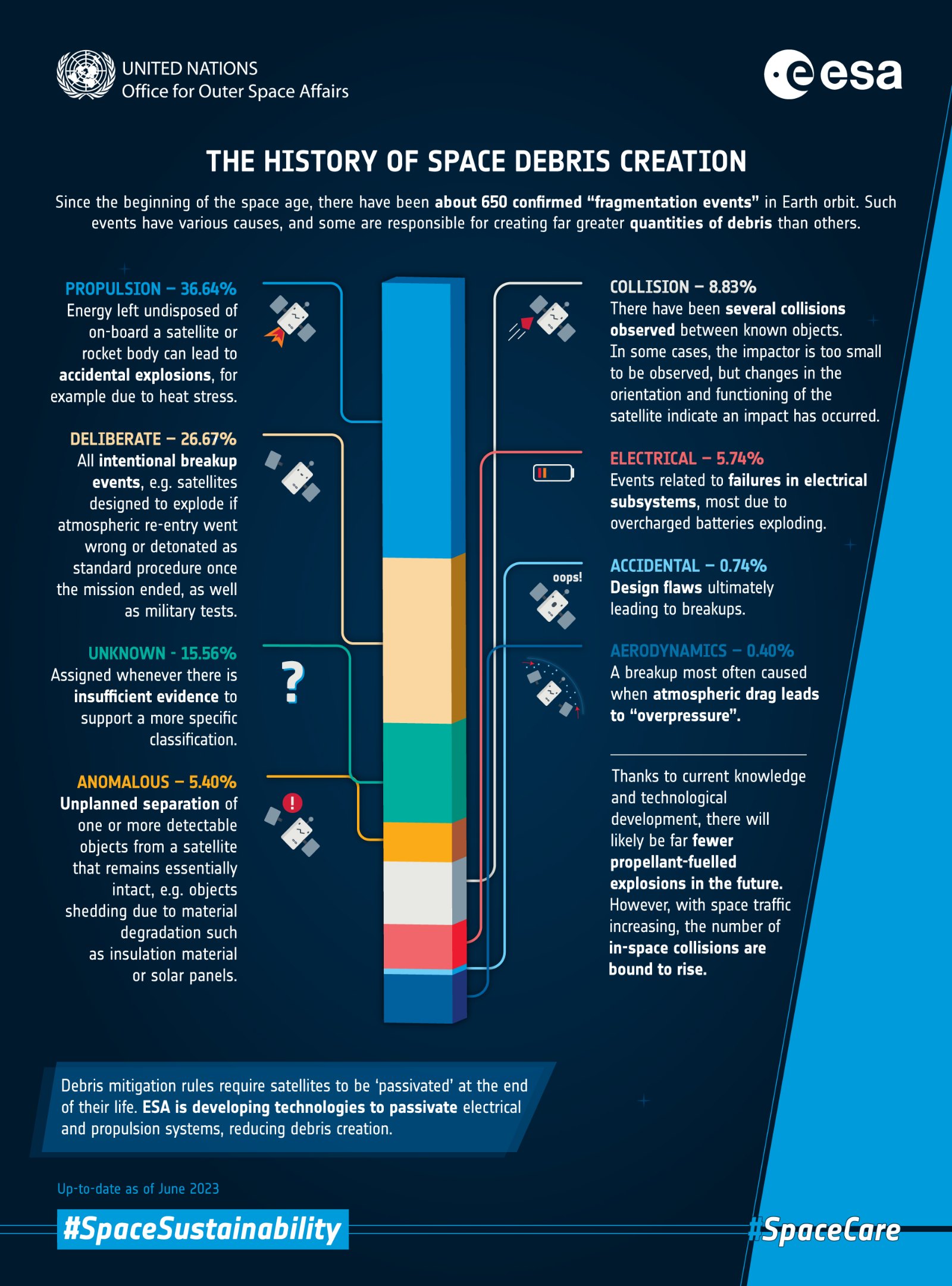
Every satellite in low Earth orbit is supposed to leave at the end of its mission. Many do not. ESA's 2026 environment report found that over the last decade only 5-35% of payloads complied with the 5-year disposal standard ESA Space Environment Report 2026. Some operators never tried. Others tried and failed: a thruster died, a battery failed, or the satellite simply stopped answering.
That second group is a specific, solvable problem. International guidelines already ask for at least a 90% probability of successful disposal, with a goal of 99% IADC Guidelines Rev 4. With Starlink alone listing 9,713 satellites in operational orbit on 16 September 2026 McDowell, even a few percent of failures means hundreds of dead satellites. Magnetic docking plates are a way to make those failures recoverable.
The physics in plain language
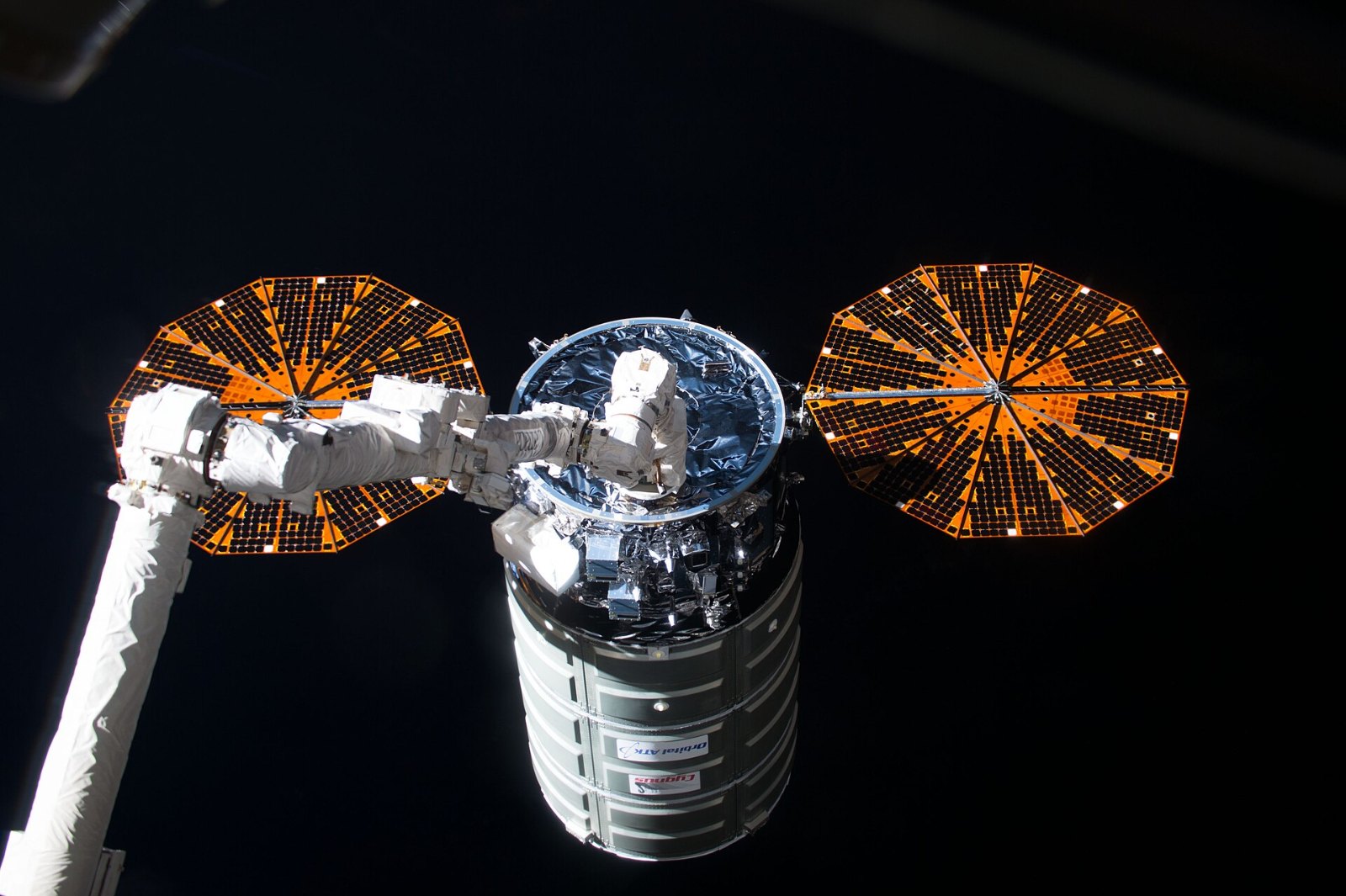
A docking plate is a small, passive ferromagnetic fixture mounted on the outside of a satellite before launch, designed to be easy to see and easy to hold. Years later, if the satellite dies, a servicer can approach, use the plate's known shape to measure distance and orientation, and close in. At the last moment, a magnet on the servicer's capture mechanism attracts the plate and holds it.
Why is that so much easier than grabbing an unprepared object? Three reasons. First, the target point is known in advance, so the servicer does not have to decide where to grab. Second, a known, designed feature makes relative navigation easier, and that is the hardest part of close approach. Third, a magnetic attachment tolerates small misalignments and does not need mechanical latches to engage perfectly. The plate was designed and qualified on the ground, so its strength is known, unlike a decades-old nozzle or adapter ring.
What has flown
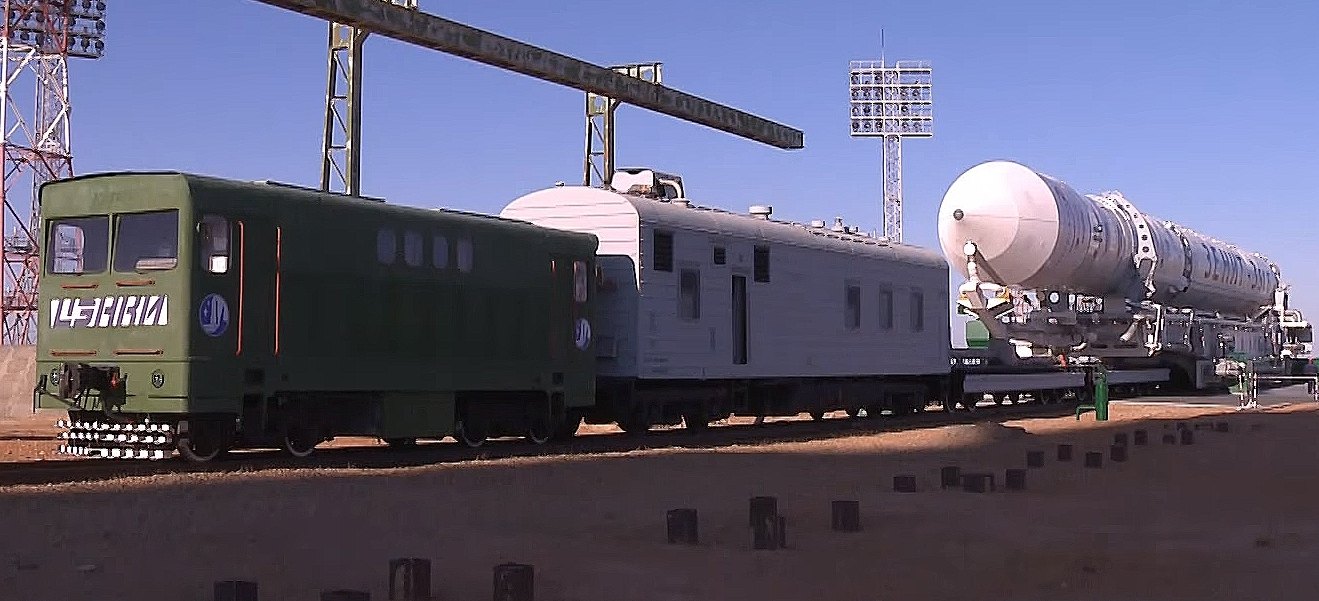
Flown: Astroscale's ELSA-d launched from Baikonur in March 2021 as a pair: a servicer and a small client satellite fitted with a docking plate Astroscale. In August 2021 it demonstrated repeated magnetic capture of the client Astroscale.
The mission did not go perfectly, and that is worth stating plainly. A later autonomous capture attempt was aborted after an anomaly, and the servicer lost four of its eight thrusters Astroscale. Astroscale nonetheless completed deorbit operations on 24 January 2024 Astroscale. The core idea, that a plate makes capture repeatable, was shown in orbit; the harder full-autonomy sequence was not completed.
Flown (commercial uptake): In March 2025, Airbus bought a first batch of 100 docking plates from Astroscale Payload. That is a small number, but it marks the step from demonstration to procurement.
What is planned
Planned: ELSA-M is Astroscale UK's operational follow-on, funded by the UK Space Agency through ESA's ARTES "Sunrise" partnership. A 520 kg servicer is meant to capture and remove a defunct Eutelsat OneWeb satellite that was built with a docking plate Astroscale. A launch contract with Isar Aerospace was signed in March 2026, with launch now "FY2028 or later", slipped from an earlier 2026 target European Spaceflight. If it succeeds, it will be the first operational use of a docking plate to remove a real failed satellite.
Flown (docking not yet shown): Not every satellite will carry a plate. Starfish Space is pursuing electrostatic docking with unprepared satellites; its Otter Pup 2 has been in orbit since June 2025 and is now targeting Gilmour Space's ElaraSat, with no confirmed docking as of September 2026 GeekWire.
Why design for removal matters more than removal tech
The largest, most dangerous derelicts in orbit today, such as the Zenit-2 rocket stages that top risk rankings, will never carry a plate. They need the hard capture methods. But the more than 4,000 new payloads launched in 2025 alone ESA, and every one that follows, could carry an interface for easy removal, at a small fraction of the cost of a later rescue. Every satellite launched without a capture interface is a future problem that will cost far more to solve. A plate does not remove anything by itself; it turns a one-off robotics mission into a repeatable service.
Honest failure modes
- A plate is a promise, not a guarantee. Someone still has to pay for and fly the servicer.
- Tumbling clients. A dead satellite that spins fast may be hard to approach even with a plate, and ELSA-d's aborted autonomous attempt shows the final sequence is demanding.
- Servicer reliability. ELSA-d's thruster losses show the servicer can fail too.
- Fragmentation first. A satellite that breaks up before a servicer arrives cannot be docked.
- Standards. If every vendor uses a different interface, servicers must carry many capture tools.
Cost and readiness
Magnetic docking plates sit at around TRL 7: flown and repeated, but not yet used on a failed operational satellite. The cost of adding a plate is not public. The cost of the servicer mission is the real barrier, and ELSA-M's launch slip shows how hard these missions remain to schedule.
ClearOrbit's view
If we could change one thing about the space industry tomorrow, it would be this: every satellite heading to low Earth orbit carries a standard, qualified capture interface. It is the cheapest debris-removal technology there is, because it is bought before the problem exists.
The ClearOrbit vision is an open, shared interface standard, adopted through coalitions like the Zero Debris Charter, which counted 228 signatories from 34 countries by May 2026 ESA, and eventually written into licensing conditions. Regulators and insurers should treat a capture interface as a mark of responsible design.
We also want ELSA-M to fly and succeed. A single, public, end-to-end removal of a real failed satellite would do more to normalise designing for removal than any white paper.
Reader mail
Have a better idea?Spotted something we got wrong?
We publish in public so the numbers can be checked. If a figure looks wrong, a source is missing, or you know something this piece should have said, send it over. One box, no sign-up.
Send an idea or correctionQuick question
If you could fund one thing first to cut collision risk in low Earth orbit, what would it be?
Anonymous. You will see how others answered after you vote.
Sources
- Astroscale: ELSA-d finalizes de-orbit operations
- Astroscale: ELSA-d demonstrates repeated magnetic capture
- Payload: Airbus buys first batch of Astroscale docking plates
- Astroscale selects Isar Aerospace to launch ELSA-M
- European Spaceflight: Isar to launch ELSA-M
- ESA Space Environment Report 2026 (I10R1)
- IADC Space Debris Mitigation Guidelines Rev 4
- Jonathan McDowell: constellation list
- ESA Space Environment Report 2026 (article)
- GeekWire: Starfish Space docking plans
- ESA: Zero Debris Charter webinar (May 2026)