Newsletter
Stay in orbit
One email when a new scenario, explainer or article is published, plus a monthly state-of-orbit summary. Your address is stored on our own infrastructure and never shared.
Sending is not switched on yet. Subscribe now and you will get the first issue when it goes out; until then nothing arrives, and the RSS feed carries every new piece the moment it is published.
Prefer a feed? RSS · Stats API (JSON)
What you will get
Scenarios on Mondays: grounded, hour-by-hour forecasts of what happens next in orbit.
How it works on Wednesdays: how each class of debris can actually be cleared, and how ready each method is.
Articles on Fridays: the numbers, the missions, the money and the rules.
A monthly summary of the State of Orbit, written from the live catalog.
Recently published
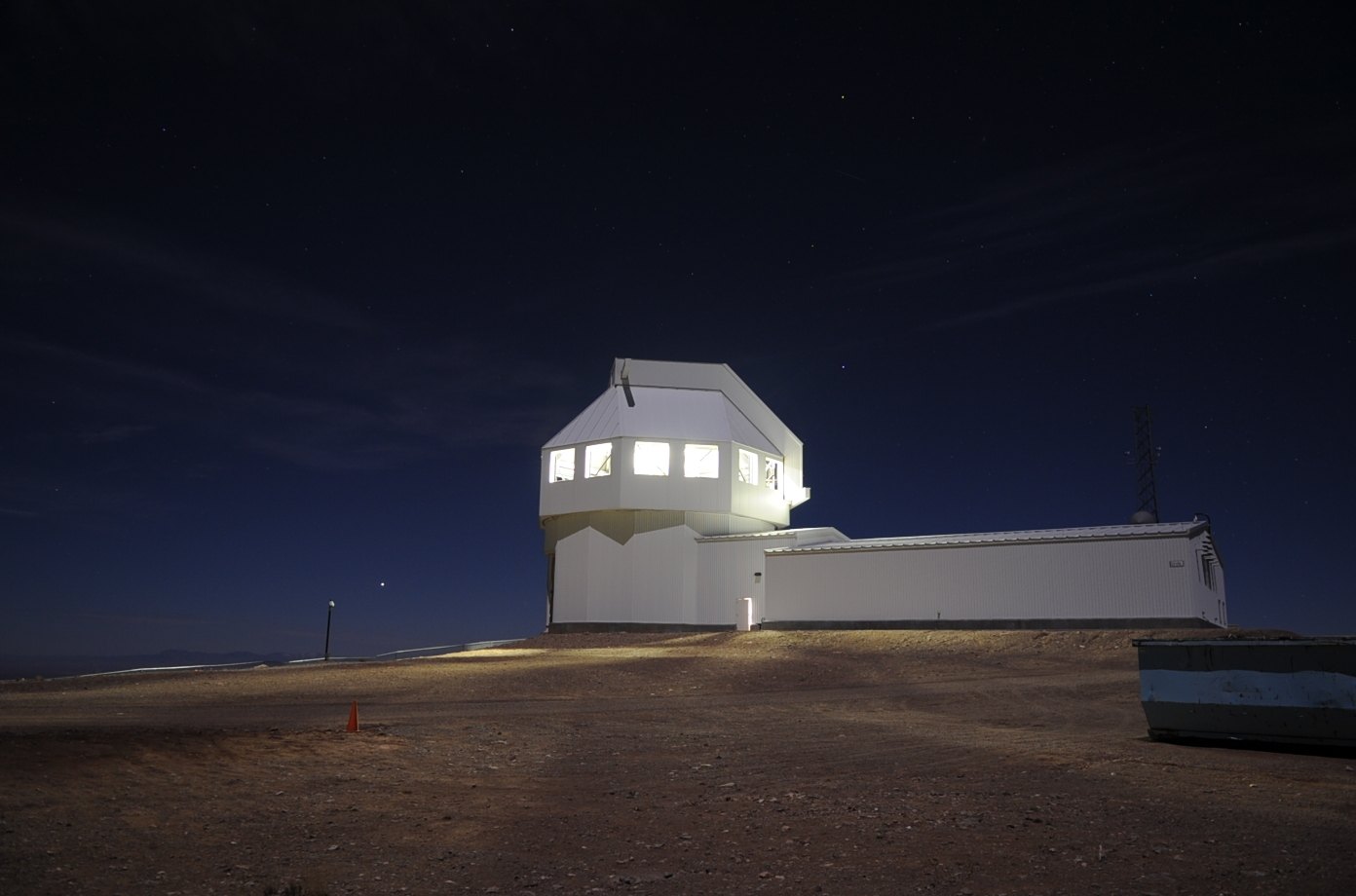
Number 101,400: How an Object in Orbit Gets a Number, a Name and a Parent
Every catalogued object carries two identifiers and had to pass three tests to get them. GCAT's highest catalog number today is 101,400 — and about 17,600 tracked objects have no number at all.
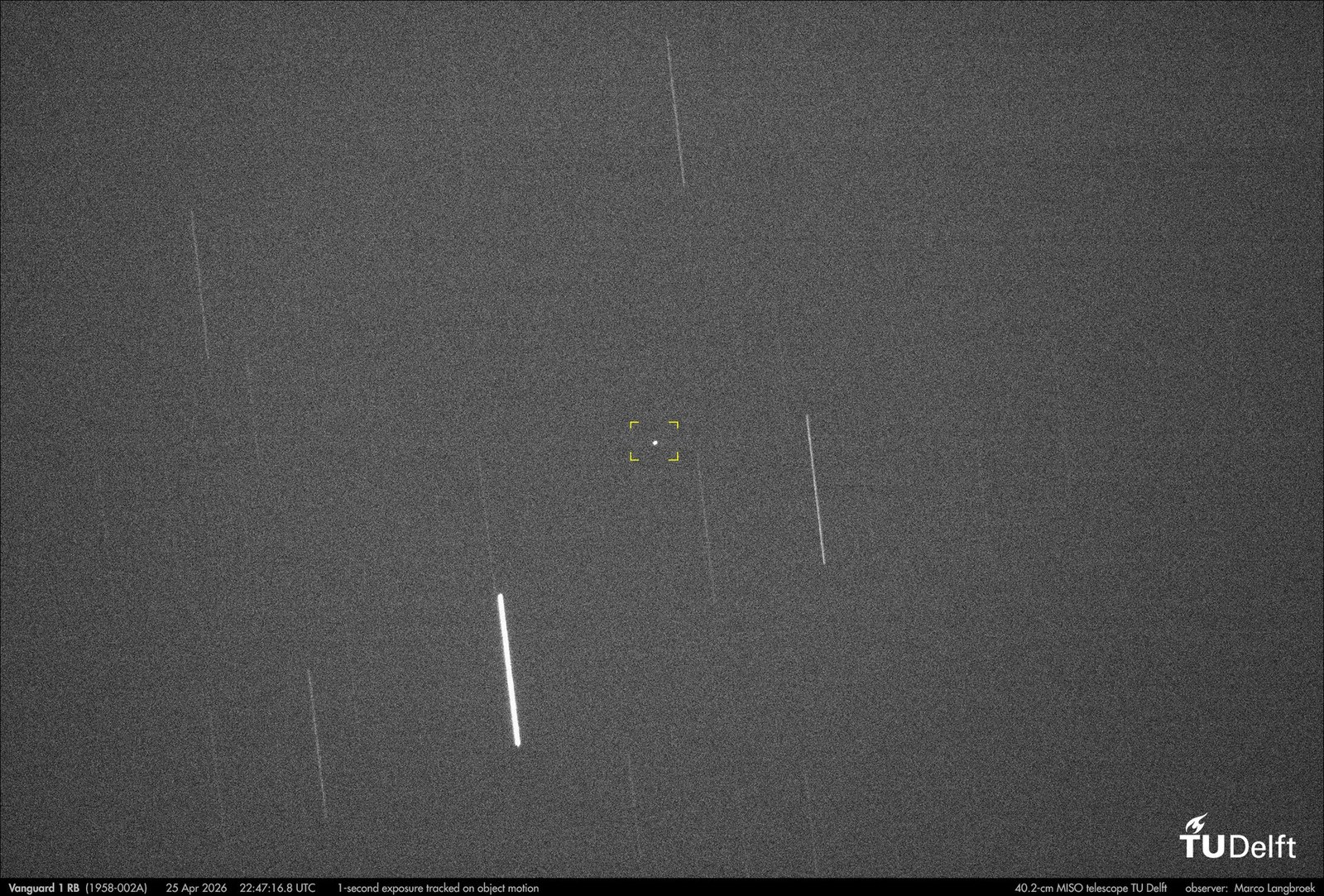
Sixty-eight years at 654 kilometres: a hypothetical first visit to the oldest rocket stage in orbit
In this scenario a spacecraft goes to object 16 in the catalog: 22 kilograms of 1958 rocket stage still circling at 654 by 4,211 kilometres, and the oldest hardware humanity has left in orbit.
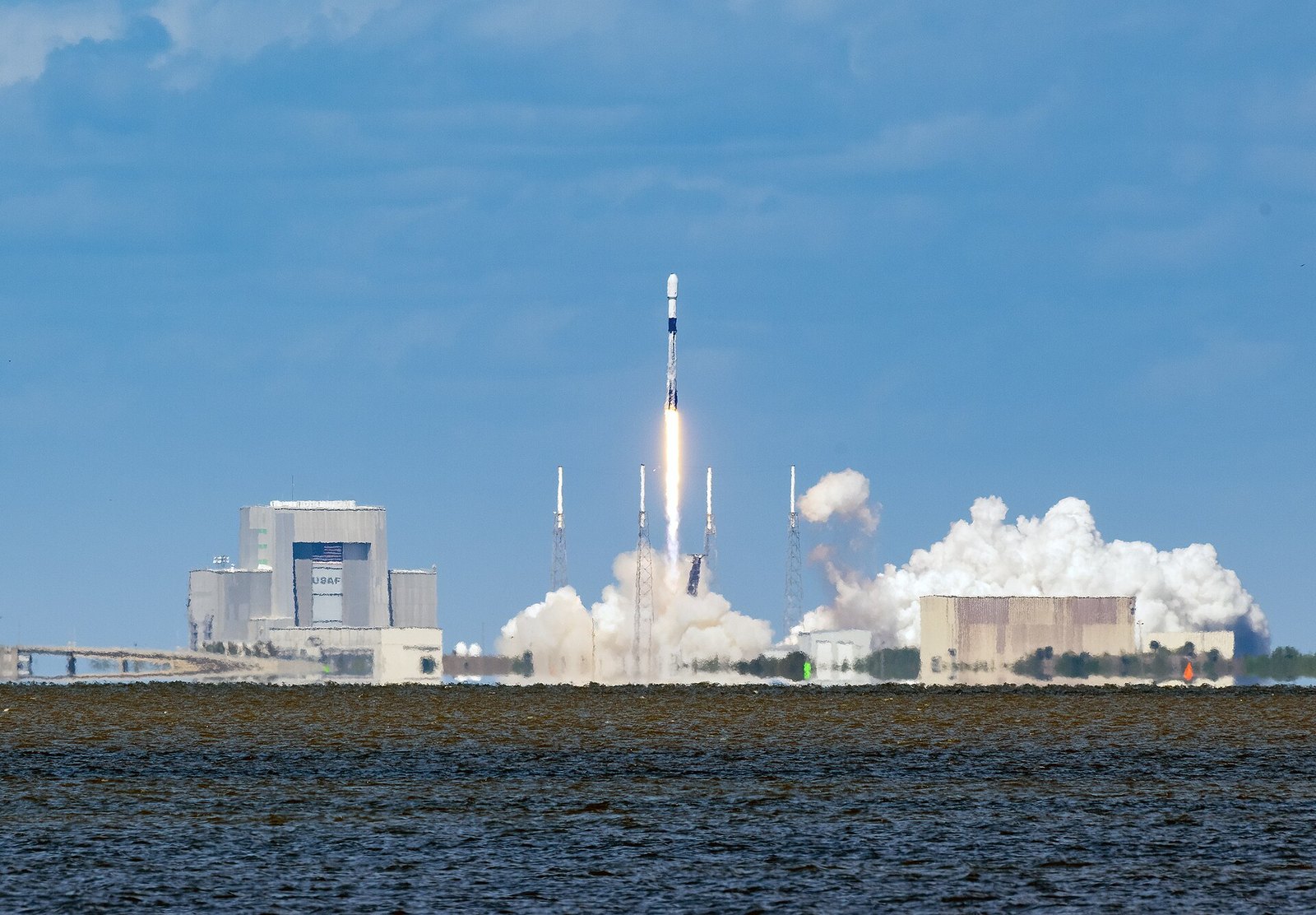
929 Satellites Where the Air Does Not Reach
OneWeb flies 654 satellites near 1,200 kilometres and Qianfan 275 near 1,000, where NASA puts natural orbital lifetimes at a thousand years. Between them they have brought down two satellites.