Article · · 7 min read
1,788 Starlinks Have Come Down, and None of Them From Above 600 Kilometres
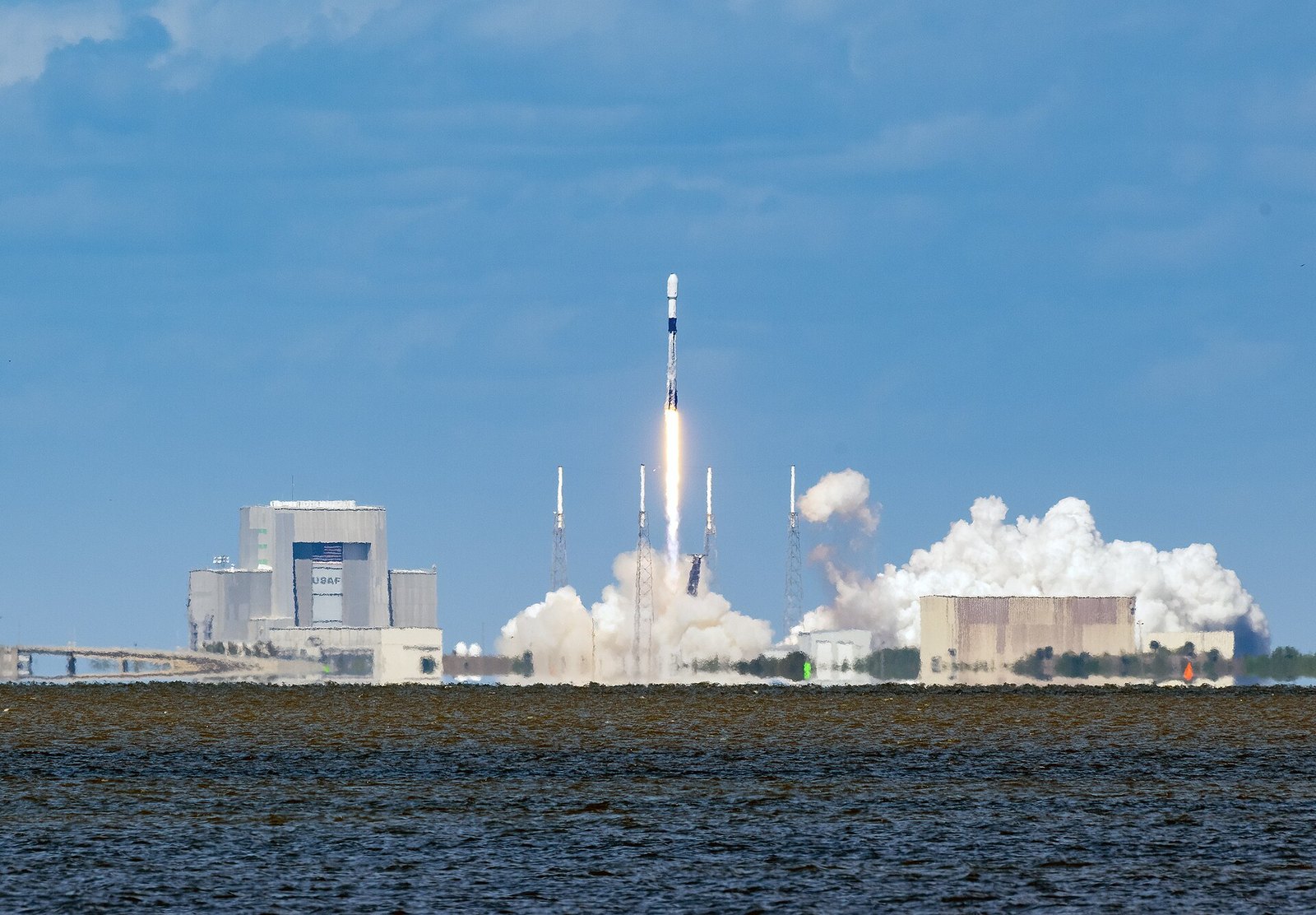
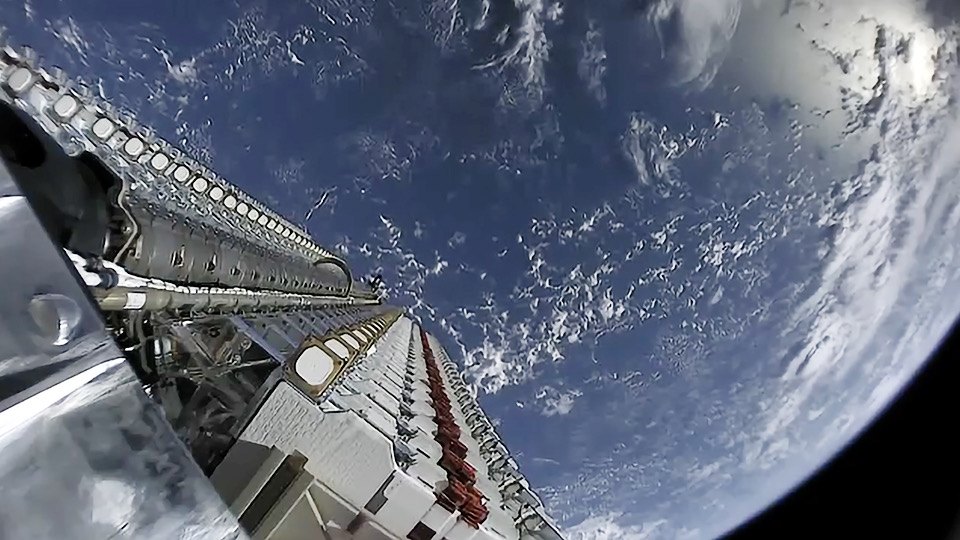
Starlink has removed 1,788 satellites from orbit and supplies two in five of everything that has reentered in the past year. Every one of them was disposed of from below 600 kilometres.
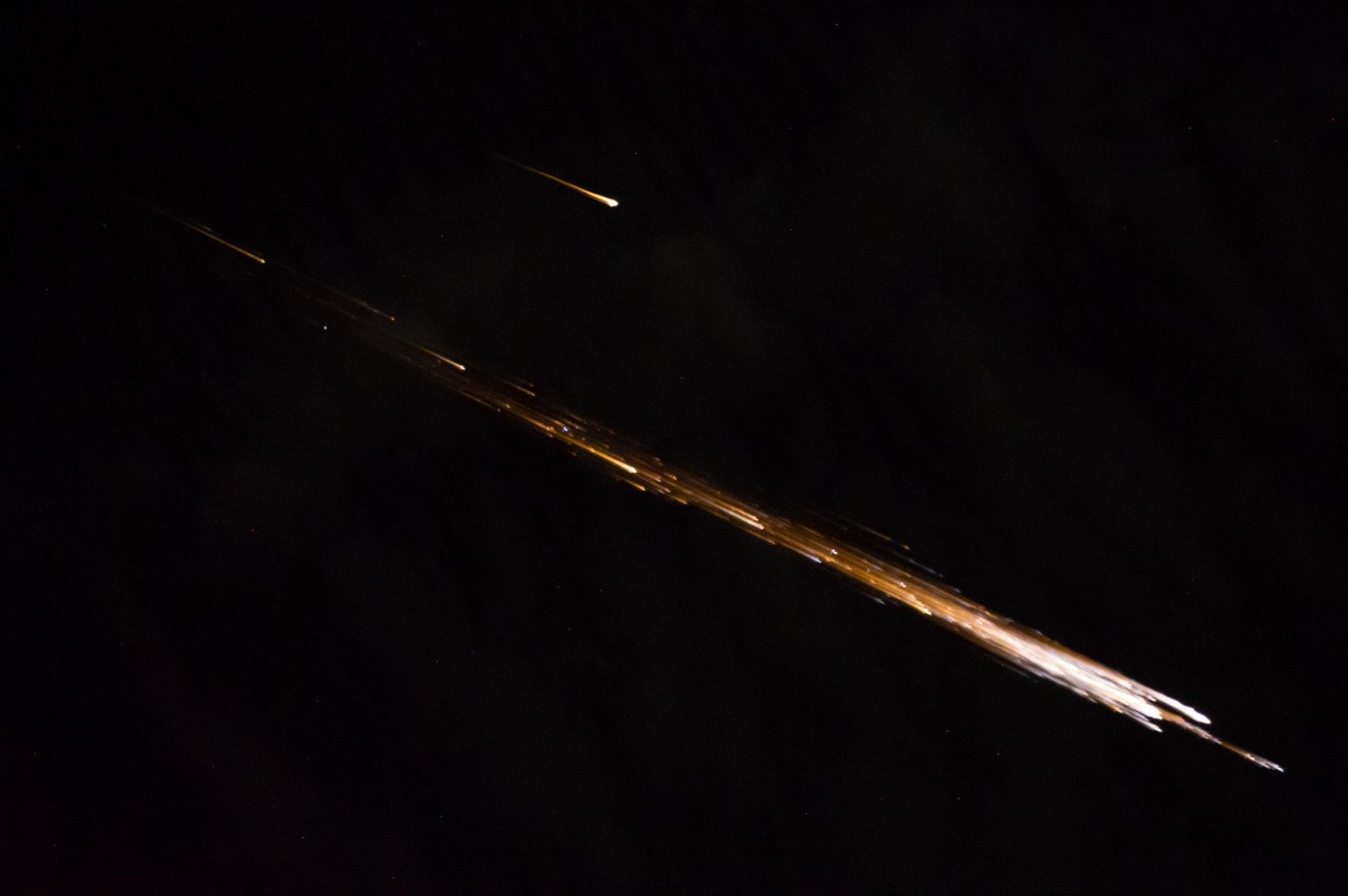
The usual way to measure a megaconstellation is to count what is up. The more interesting number is what has come back. GCAT's current catalog lists 12,939 Starlink payloads catalogued since 2019 and 11,151 still in orbit, which means 1,788 of them have already reentered GCAT. No other operator, agency or programme has disposed of satellites at anything approaching that rate. It is, by a wide margin, the largest end-of-life disposal campaign ever run, and it is almost the entire practical evidence base for the claim that a large constellation can clean up after itself.
It is worth being precise about what that evidence shows, because the lesson is narrower than the number suggests.
The shape of the curve
The disposals are recent and accelerating. GCAT records 61 Starlink reentries in 2020, 90 in 2021, 104 in 2022 and 89 in 2023, then 334 in 2024, 679 in 2025 and 431 in 2026 up to 17 October, the last date the current catalog file covers GCAT. The jump is the first generation reaching the end of its service life in bulk: the median time from launch to reentry across all 1,788 is 1,329 days, about three years and seven months, against a design life SpaceX gives as five years or more SpaceX.
That has made one company the dominant source of reentries worldwide. Of the 1,297 catalogued objects recorded as reentering in the year to 23 October 2026, 506 were Starlinks — 39 per cent. Over the last 60 days the share is 48 per cent, 90 of 189 GCAT. Both figures are drawn from a catalog file stamped 17 October and not republished since, so the most recent week is empty rather than quiet. For comparison, ESA's 2026 environment report describes the overall rate as more than three intact satellites or rocket bodies reentering every day ESA.
Why it works, in one word: altitude
Nothing about this is a triumph of removal technology. It is a consequence of where the satellites were put. SpaceX states that Starlink operates below 600 kilometres and that "atmospheric drag at these altitudes will deorbit a satellite naturally in 5 years or less" SpaceX. GCAT's current file agrees: of the 11,151 Starlinks in orbit, none has a mean altitude above 600 kilometres, 9,406 sit between 400 and 500, and 1,305 are already below 400 on their way down GCAT.
The company's published operating altitudes are lower still — 485, 472.5, 462.5 and 463 kilometres for the broadband shells, and about 360 for direct-to-cell — and it says it is lowering everything above 500 kilometres below that line by the end of 2026, which it expects to cut ballistic decay time by more than 80 per cent, "reducing 4+ years to a few months" SpaceX. The satellites are flown down under their own propulsion when they are healthy; the low orbit is the backstop for when they are not. SpaceX also says the satellites are fully demisable by design, so that nothing survives to the ground.
Three conditions are doing the work here, and all three have to hold. The orbit has to be low enough that air finishes the job unaided. The hardware has to be designed from the start to come down and burn up. And the operator has to still exist, still be solvent, and still be flying the satellite when the decision is made. Flown disposal at this scale has never been demonstrated under any other combination.
Where it stops
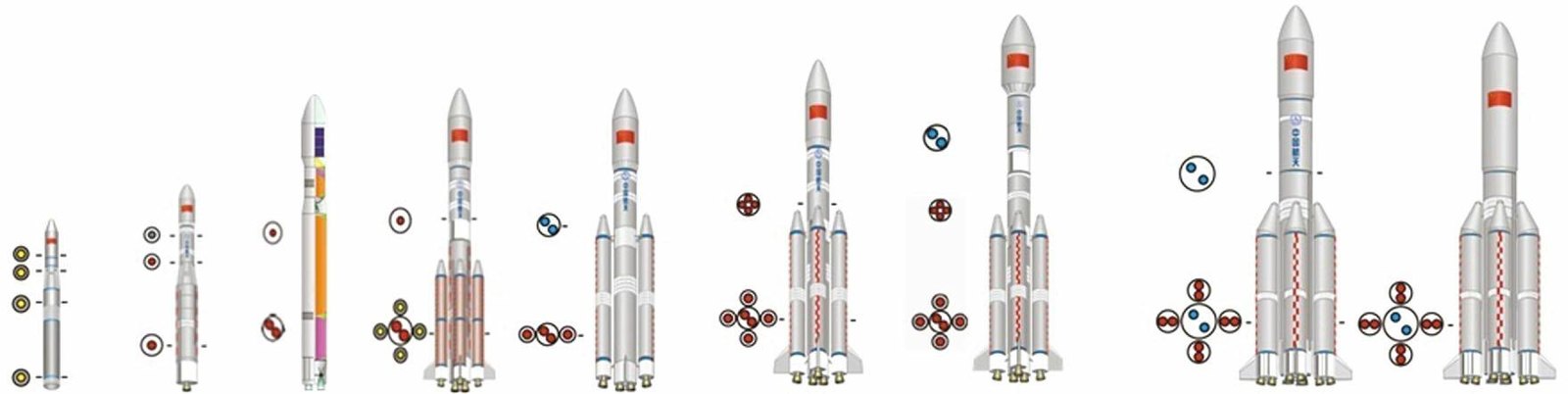
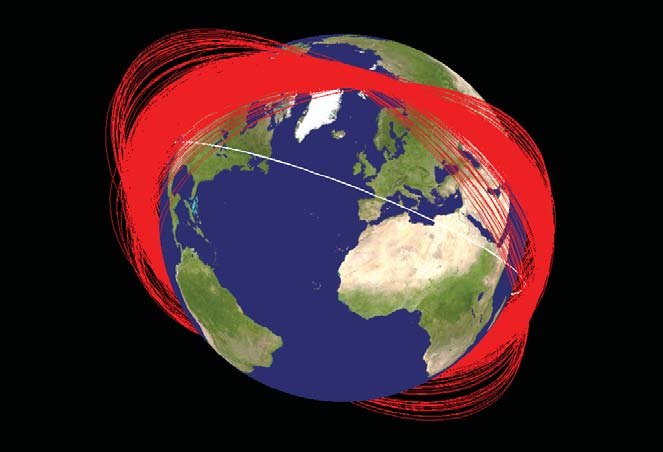
Four hundred kilometres further up, none of the three conditions applies. As today's briefing sets out, the shell between 800 and 900 kilometres holds 2,761 catalogued objects, of which 2,499 are not working spacecraft, and 1,385 of those trace to just three parents: Fengyun-1C, destroyed by an anti-satellite intercept in 2007, and two Long March 6A upper stages that broke up in 2022 and 2024 GCAT. None of that hardware has propulsion. None of it has an operator making decisions about it. At 850 kilometres, atmospheric drag is not a disposal mechanism on any human timescale.

This is why the Starlink record, impressive as it is, cannot be read as evidence that the debris problem is solving itself. ESA's statistics page counts roughly 47,160 catalogued objects, an estimated 68,450 larger than 10 centimetres, more than 660 break-ups, explosions and collisions since 1957, and more than 17,400 tonnes of material in orbit ESA. NASA's satellite box score for the three months to 31 July 2026 puts 14,900 spent rocket bodies and other catalogued debris against 19,154 spacecraft NASA ODQN 30-3. Starlink's 1,788 reentries have not touched any of it.
The clearest illustration of the gap is what happens when a satellite that was not designed to come down has to be brought down anyway. ESA's Aeolus wind-mission spacecraft had no disposal system; in 2023 the agency improvised an assisted reentry with the fuel left in the tanks, steering the uncontrolled fall into a chosen ocean corridor. That was a Flown first and a considerable piece of engineering, and it was possible only because the satellite still had propulsion and a team flying it.
The rules caught up, partly
Regulation moved in the same direction while the fleet was being built. The FCC adopted its five-year deorbit rule in 2022, under dockets 22-271 and 18-313, replacing the long-standing 25-year guideline for satellites ending their missions in low Earth orbit FCC. ESA attributes improving disposal compliance partly to "the transition from the 25-year to 5-year disposal target in low-Earth orbit" and reports that controlled rocket-body reentries outnumbered uncontrolled ones for the second year running ESA.
The rules bind what is launched next. They say nothing about the 14,078 spent stages and debris objects already catalogued on orbit, and they carry no remedy for a stage that breaks up before anyone can passivate it. ESA's 2026 report also adds a new metric for on-ground casualty risk, which it describes as low but rising, and notes that more than 4,000 new payloads went up in 2025 alone — roughly ten a day ESA. Disposal is improving and the inflow is growing faster.
ClearOrbit's view
The honest reading of 1,788 reentries is that end-of-life disposal is a solved problem for satellites that are low, demisable, propulsive and attended. That is a real achievement and it should be the baseline licence condition everywhere, not a competitive advantage. Anything launched above 600 kilometres without a propulsive disposal plan and a demisability analysis is being handed to the next generation as a liability.
It is also the ceiling of what disposal can do. Every object that matters most — the three parents above 800 kilometres, the derelict stages, the fragment clouds — is outside the reach of the mechanism that produced those 1,788 reentries, because each of them failed at least one of the three conditions before anyone was watching. The population that needs removing is precisely the population that cannot remove itself, and no amount of good behaviour by new constellations reduces it by one object.
We think the two halves need to be funded as separate problems and stop borrowing each other's progress. Disposal compliance is a regulatory job with a working template and a measurable curve. Removal is an engineering and procurement job that has never been done, and the fact that one company now accounts for two in five reentries worldwide is not evidence that it is getting easier. ClearOrbit's position is that the first removal contracts should be written against the derelict population at 800 kilometres, where nothing in today's record suggests anything will come down on its own, and that the fleets flying below 500 kilometres are the wrong place to look for either the problem or the proof.
Reader mail
Have a better idea?Spotted something we got wrong?
We publish in public so the numbers can be checked. If a figure looks wrong, a source is missing, or you know something this piece should have said, send it over. One box, no sign-up.
Send an idea or correctionQuick question
Who should pay for cleaning up orbit?
Anonymous. You will see how others answered after you vote.