Daily briefing · · 3 min read
Orbit on 23 October 2026: three objects supply more than half the junk in the dirtiest shell
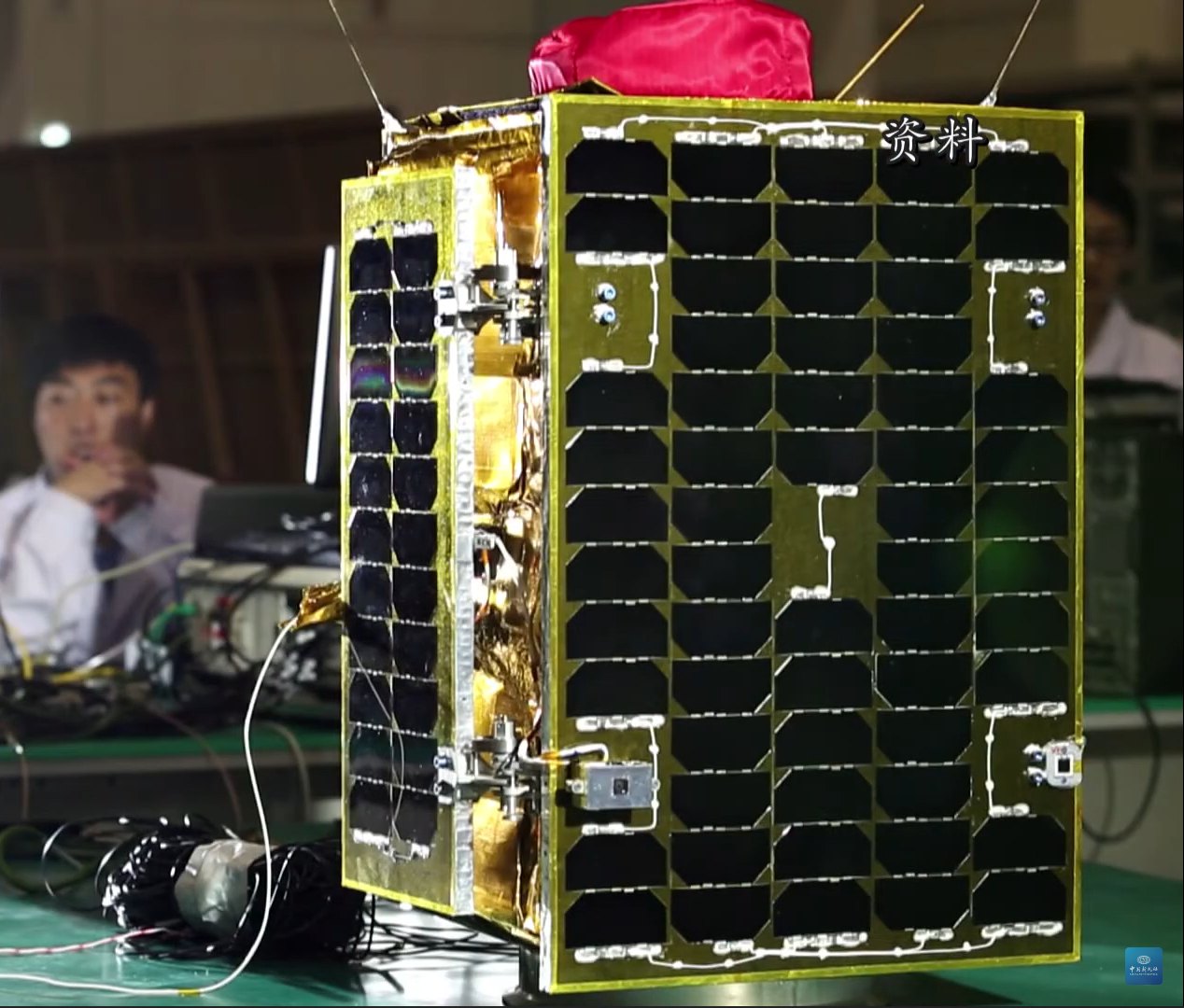
Between 800 and 900 kilometres, 2,499 of 2,761 catalogued objects are not working spacecraft. Three parents — one satellite and two Long March upper stages — account for 1,385 of them.
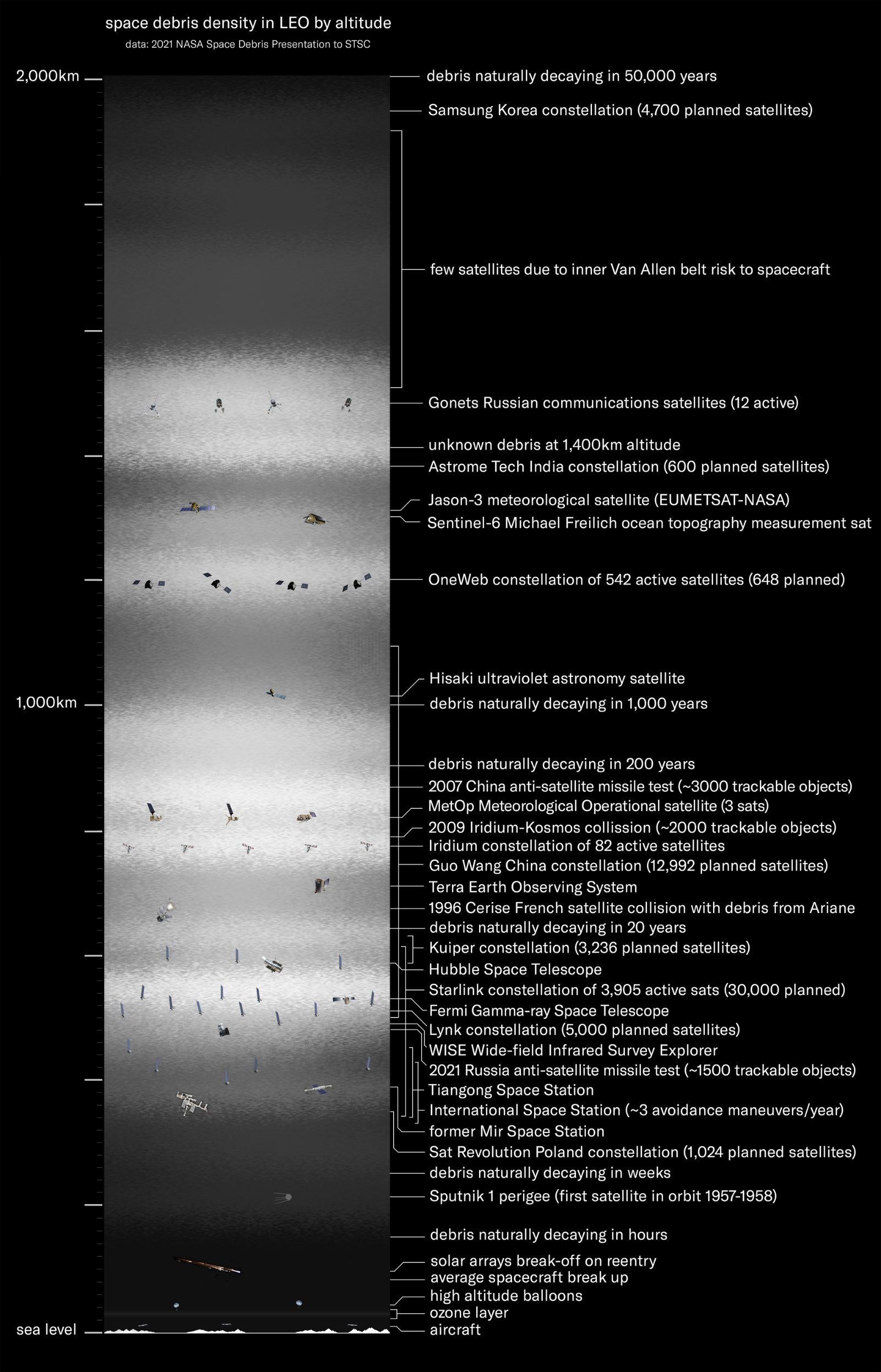
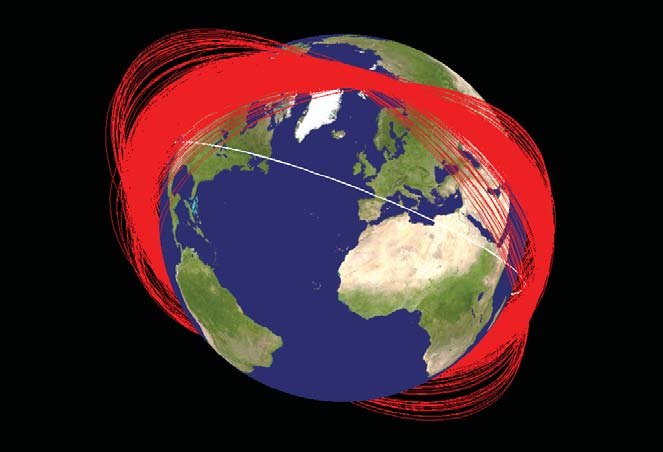
Between 800 and 900 kilometres the catalog lists 2,761 objects, and 2,499 of them are not working spacecraft GCAT. Sort those fragments by the object they came off and the shell stops looking like a fog: three parents account for 1,385 of the 2,499. Fengyun-1C, the Chinese weather satellite destroyed by an anti-satellite intercept on 11 January 2007, supplies 921. Two Long March 6A second stages supply 249 and 215. The remaining 1,114 pieces are spread across 249 separate parents, none contributing more than 116.
The two stages are the best documented. Catalog number 54236, the CZ-6A Y2 second stage launched on 11 November 2022, broke up at roughly 847 by 813 kilometres; NASA's debris office calls it "the number one worst breakup of an upper stage in history" and had catalogued 793 large fragments by late 2024 NASA ODQN 28-4. Catalog number 60397, CZ-6A Y21, broke up on 6 August 2024 at 17:15 GMT at about 857 by 797 kilometres, with 283 large fragments catalogued within six weeks NASA ODQN 28-4. Both stages are still in the shell, at 828 by 894 and 795 by 855 kilometres, and GCAT counts 613 pieces of the first and 574 of the second on orbit GCAT. Neither was a collision; both were stages left with energy in them.
The catalog around them has not moved for a seventh morning: 33,759 objects on orbit, 19,681 payloads, 14,078 spent stages and debris, 28,344 in low orbit. GCAT's current catalog file still carries the update stamp of 17 October 2026, so these are that file's numbers, not this morning's, and every day-over-day difference is structurally zero. The arithmetic still moves: 90 reentries in 30 days against 92 yesterday, one in seven days against two, as the windows slid past decays already on the books. The latest recorded reentry is still Starlink 5470 on 16 October. Against that, 205 objects went up in 30 days and the queue below 250 kilometres holds 36, led by the Zhuque-2E Y4 second stage at 133 by 537 kilometres GCAT.
Close approach of the day
There is not one, for the fifteenth day. Our screening still carries the CelesTrak SOCRATES Plus file of 8 October 2026; this morning's refresh was refused at the connection before a request reached CelesTrak, and the script stopped rather than retry CelesTrak SOCRATES Plus. That file found 7,834 pairs inside one kilometre and 111 inside 100 metres across 174,512 conjunctions, all of it describing 8 October. The close-approach pages say so on their face: an empty forward list is a gap in our supply, not quiet traffic.
Object of the day: Ablestar 008, catalog number 118
Forty-six of that shell's non-payload objects come off something launched on 29 June 1961: Ablestar 008, the Thor Ablestar upper stage that delivered Transit 4A, which came apart within hours of reaching orbit. NASA's fragmentation history dates the first serious satellite fragmentation to June 1961 and records that it "instantaneously increas[ed] the total Earth satellite population by more than 400%" NASA HOOSF, 16th Edition. GCAT has 316 pieces catalogued from it, 172 still in orbit sixty-five years later, and the stage itself at 823 by 944 kilometres on an element set dated 17 October 2026 GCAT. Of ESA's more than 660 break-ups, explosions and collisions since 1957, this is the one still legible in today's file ESA Space Environment Statistics.
ClearOrbit's view
A shell that is 90 per cent junk sounds like a diffuse problem and is not one. Fifty-five per cent of its non-payload population traces to three objects, and the next names down — 116 pieces off NOAA 16, 103 off a Meteor-2, 94 off Kosmos-1275 — are events with dates. Debris arrives in lumps, from identifiable hardware, on identifiable days.
Two of today's three parents were upper stages with something left to release, a design problem with a known answer we set out in passivation. The third was deliberate. Nothing in that band is coming down by itself: at 850 kilometres orbital lifetimes run to centuries, and a 1961 stage is still circling to prove it.
So a removal programme should be planned against a short list of parents, not a population count: fragments from one event share a plane, and a vehicle that reaches one can reach others. Nobody has removed a piece of debris yet; the first operator that does should pick from the three names above.
Reader mail
Have a better idea?Spotted something we got wrong?
We publish in public so the numbers can be checked. If a figure looks wrong, a source is missing, or you know something this piece should have said, send it over. One box, no sign-up.
Send an idea or correctionQuick question
Who should pay for cleaning up orbit?
Anonymous. You will see how others answered after you vote.