Daily briefing · · 3 min read
Orbit on 22 October 2026: an Ariane adapter has shed 34,000 kilometres of apogee since 2019
Catalog number 44478, a 440-kilogram shell left in transfer orbit in 2019, now tops out at 1,570 kilometres. The five-tonne stage from the same launch is still at 25,802.
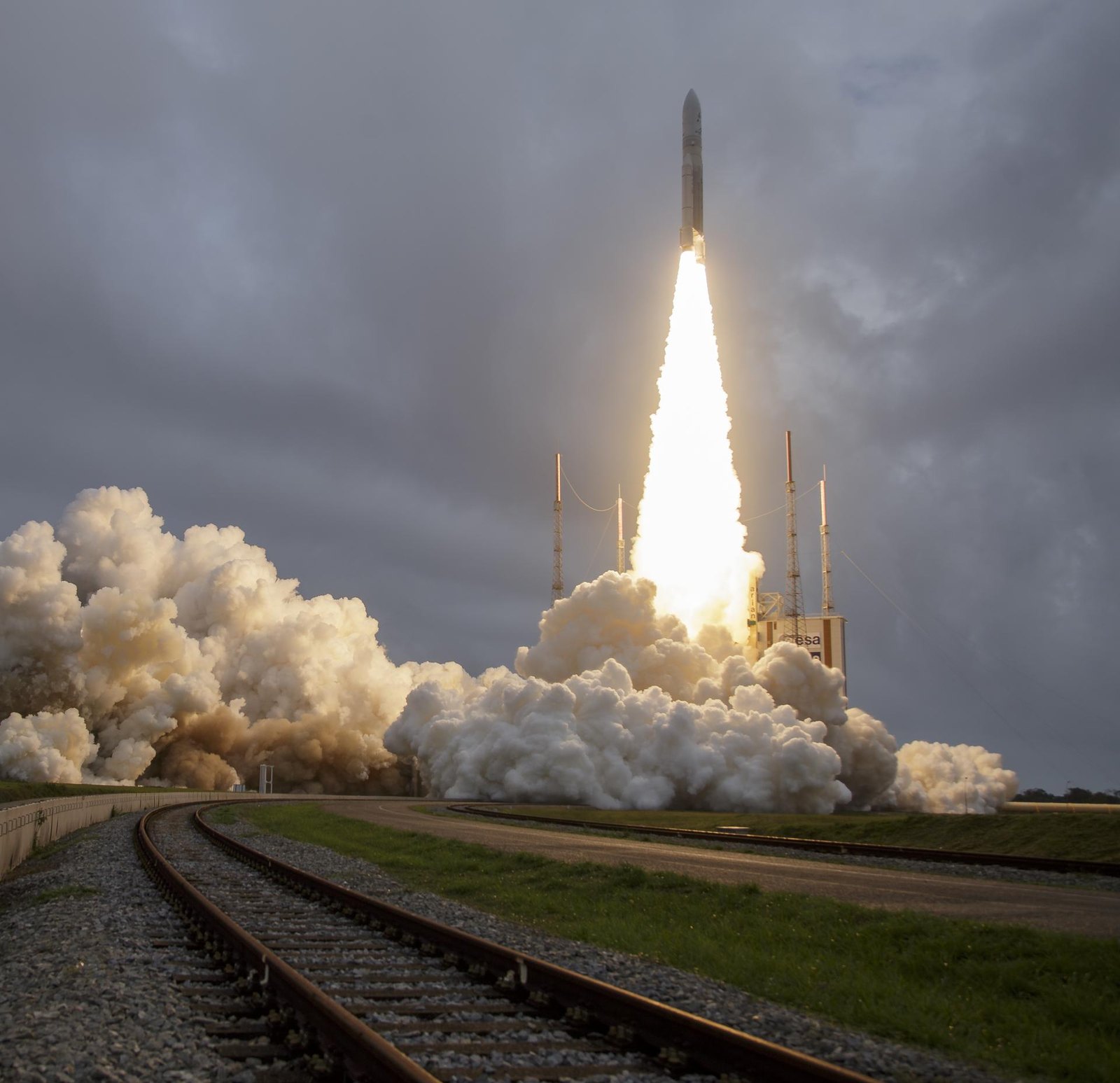
Catalog number 44478 is a Sylda 5A, the hollow carbon shell that lets an Ariane 5 carry two satellites at once. Released into geostationary transfer orbit on 6 August 2019 at 232 by 35,585 kilometres, it appears in the element set published on 14 October 2026 at 203 by 1,570 GCAT. Nothing manoeuvred it. In seven years the air at perigee has taken 34,015 kilometres off its apogee, which is what happens to 440 kilograms spread across a cylinder 5.5 metres long and 4.5 across.
The catalog around it has not moved for a sixth morning: 33,759 objects on orbit, 19,681 payloads, 14,078 spent stages and debris, 28,344 in low orbit GCAT. The reason is printed in the file. GCAT's current catalog carries an update stamp of 17 October 2026 and has not been republished since, so every day-over-day difference is structurally zero. What still moves is the arithmetic: 92 reentries in 30 days against 98 counted yesterday, two in seven days against three, because the windows slid past decays already on the books. The most recent recorded reentry remains Starlink 5470 on 16 October, and whether six days of silence means a quiet sky or an unpublished one cannot be told from here. Against that, 205 objects went up in 30 days, the queue below 250 kilometres holds 36, and the 400-to-500-kilometre shell holds 10,375 objects of which 10,193 are working payloads, while the 800-to-900-kilometre shell holds 2,761 of which 2,499 are debris.
Close approach of the day
There is not one, for the fourteenth day. Our screening still carries the CelesTrak SOCRATES Plus file of 8 October 2026; today's refresh was refused at the connection, before a request reached CelesTrak, and the script stopped rather than retry CelesTrak SOCRATES Plus. That screening found 7,834 pairs inside one kilometre and 111 inside 100 metres across 174,512 conjunctions, all of it describing 8 October. The close-approach pages say so on their face, and an empty forward list is a supply failure, not quiet traffic.
Object of the day: Sylda 5A, catalog number 44478
The comparison is on the same launch. The Ariane 5 ESC-D upper stage that carried it, catalog number 44477, went to 220 by 35,497 kilometres that morning and sits today at 227 by 25,802 GCAT. Same perigee, same air, same seven years: the five-tonne stage has lost about 9,700 kilometres of apogee, the 440-kilogram shell 34,015. Area over mass is the only variable, and it decides which pieces of a launch clear themselves.
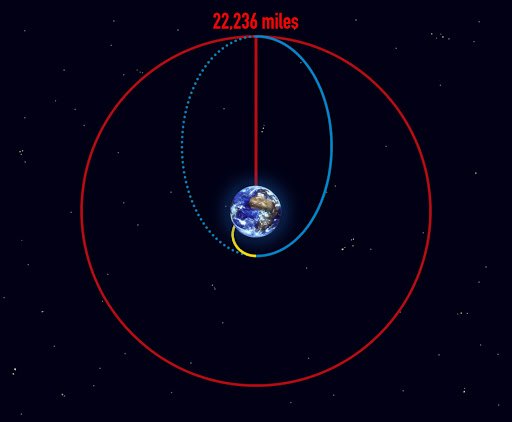
Forty-nine Sylda and Spelda adapters are still in Earth orbit, thirteen of them now with a perigee below 250 kilometres and eighteen still reaching above 30,000 GCAT. ESA's taxonomy has a name for them: rocket mission related objects, "space objects intentionally released as space debris", counted inside the roughly 47,160 catalogued objects and the more than 17,400 tonnes its statistics page of 14 October reports in orbit ESA Space Environment Statistics. They are the quiet half of The 140 Tonnes Nobody Meant to Launch.
ClearOrbit's view
Number 44478 is the good case: a light, large structure dropped at a low perigee is on a schedule whether or not anyone intended one, and that schedule is short enough to watch. The eighteen adapters still above 30,000 kilometres are the bad case, parked where the air cannot reach them, with nothing in the record suggesting a date for any of them.
That is an argument for designing the throwaway structure, not only the stage. Area-to-mass ratio is a free disposal mechanism when it is chosen deliberately at release, and the difference between seven years and several centuries can be a release altitude rather than a propulsion system. For what is already up there, the first practical targets are those with a current published orbit, which is why a frozen catalog file matters more than it looks: as we wrote yesterday, nothing rendezvouses with a number that stopped being refreshed.
Reader mail
Have a better idea?Spotted something we got wrong?
We publish in public so the numbers can be checked. If a figure looks wrong, a source is missing, or you know something this piece should have said, send it over. One box, no sign-up.
Send an idea or correctionQuick question
Who should pay for cleaning up orbit?
Anonymous. You will see how others answered after you vote.