Daily briefing · · 3 min read
Orbit on 26 October 2026: 41 fragments of the 2009 collision have fallen this year, against 205 in 2024
The largest debris cloud in low orbit is clearing at a fifth of its 2024 rate, and GCAT's catalog file is serving no data rows for a second day.
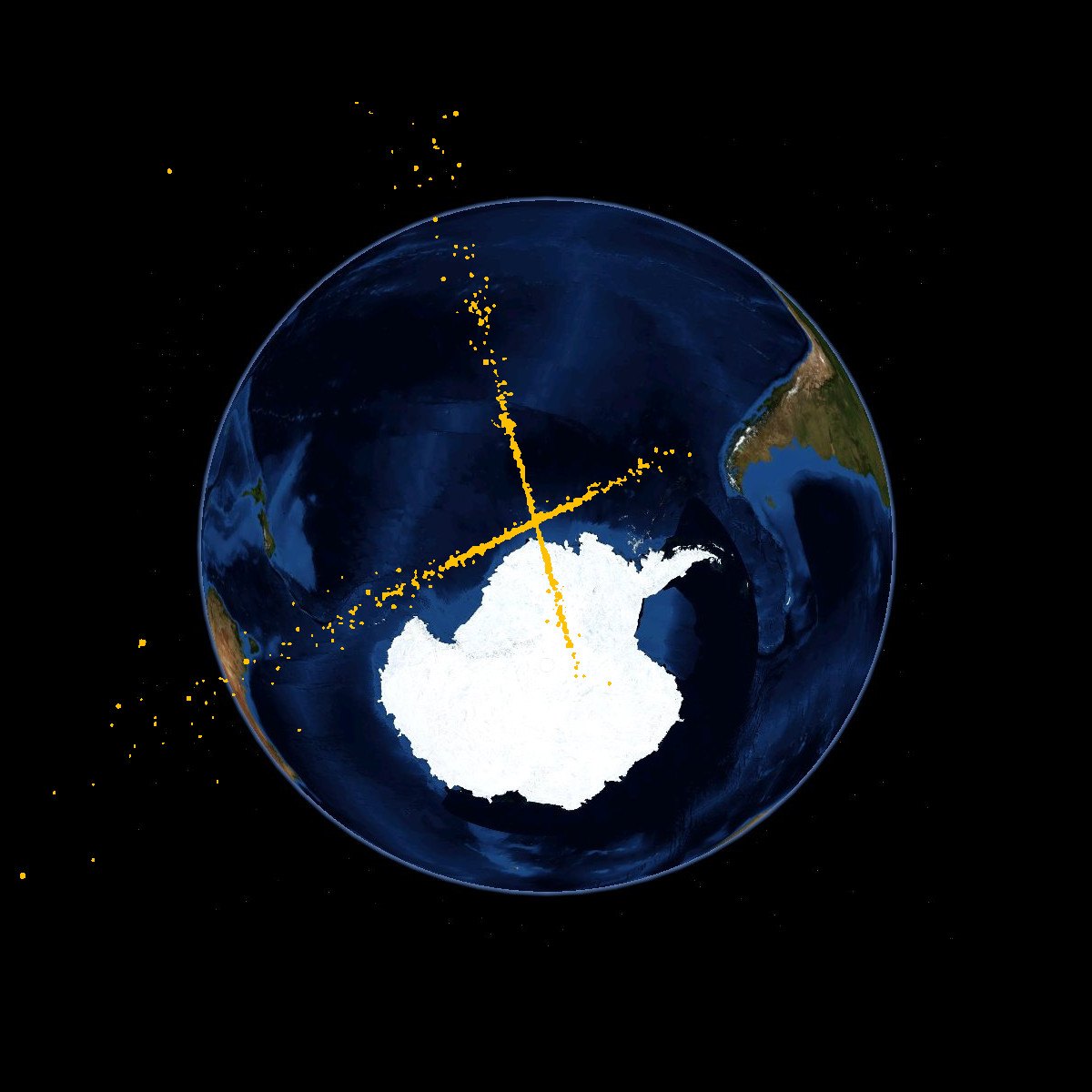
Forty-one fragments of the Iridium 33 and Cosmos 2251 collision have reentered so far in 2026. In 2024 the figure was 205, in 2025 it was 140 GCAT. The crash of 10 February 2009 is still the largest debris-making event in low Earth orbit: 2,374 fragments catalogued between the two objects, 726 still in orbit, 611 of them from Cosmos 2251. Nobody is clearing that cloud. The air is, and it is going back to sleep.
The yearly record shows its shape. Over the last solar minimum the two clouds lost 23 fragments in 2017, nine in 2019 and 13 in 2020; then 104 in 2022, 191 in 2023, 205 in 2024, 140 in 2025, and 41 in ten months of this year GCAT. High solar activity expands the thermosphere and raises drag on nearly everything in low orbit; NASA's then chief scientist for orbital debris recorded net falls in the catalogued population during past maxima for that reason NASA, IAC-12.A6.2.9. This cycle's smoothed sunspot number peaked in October 2024 and has fallen since SIDC, which fits. Two cautions: the same source puts the Ap index at a cycle high after the storms of November 2025 and January 2026, so the forcing is not one falling number, and GCAT back-dates decays, so this year's count will rise.

Nothing moved in the headline counts, and for a second morning that is a reporting failure, not a quiet day. GCAT's currentcat file returned 308 bytes today — its header, a build stamp of 00:22 UTC, and no data rows — so the site shows Saturday's figures again: 33,811 objects on orbit, 19,731 payloads, 2,111 rocket bodies, 14,080 stages and debris together GCAT. The separate satcat table did rebuild, and carries four reentries the frozen list does not: Starlink 30224, Starlink 1704 and Starlink 4454 on 24 October, Starlink 1454 on 25 October. Starlink 4454 is the object this site still shows as the lowest in orbit, at 140 by 155 kilometres; it came down over the South Pacific at 01:44 UTC on 24 October GCAT. Crowding is unchanged: 10,411 objects between 400 and 500 kilometres, nearly all working payloads, against 2,758 between 800 and 900, of which 2,495 are debris. ESA's statistics page, updated 23 October, puts more than 17,400 tonnes in orbit ESA Space Environment Statistics.
Close approach of the day
There is none again, for the eighteenth day. The forecast behind our close-approach pages rests on CelesTrak's screening of 8 October, whose seven-day window expired on 15 October, and the service has been unreachable from this machine since 9 October CelesTrak SOCRATES Plus. Sixty-seven passed encounters stay marked "checking", since settling one needs orbit data from after the event. The gap is ours, and saying so beats dressing a stale number as a forecast.
Object of the day: Zenit-2 65-614 Stage 2, catalog number 22566
A Zenit-2 second stage launched from Baikonur on 26 March 1993 is still at 837 by 855 kilometres, inclined 71 degrees: 11.1 metres long, 3.9 across, nine tonnes empty GCAT. It stands first on the McKnight ranking of the derelicts most likely to start a cascade, whose top thirty come to 212 tonnes, twenty of them Zenit second stages in that same 800-to-900-kilometre shell.
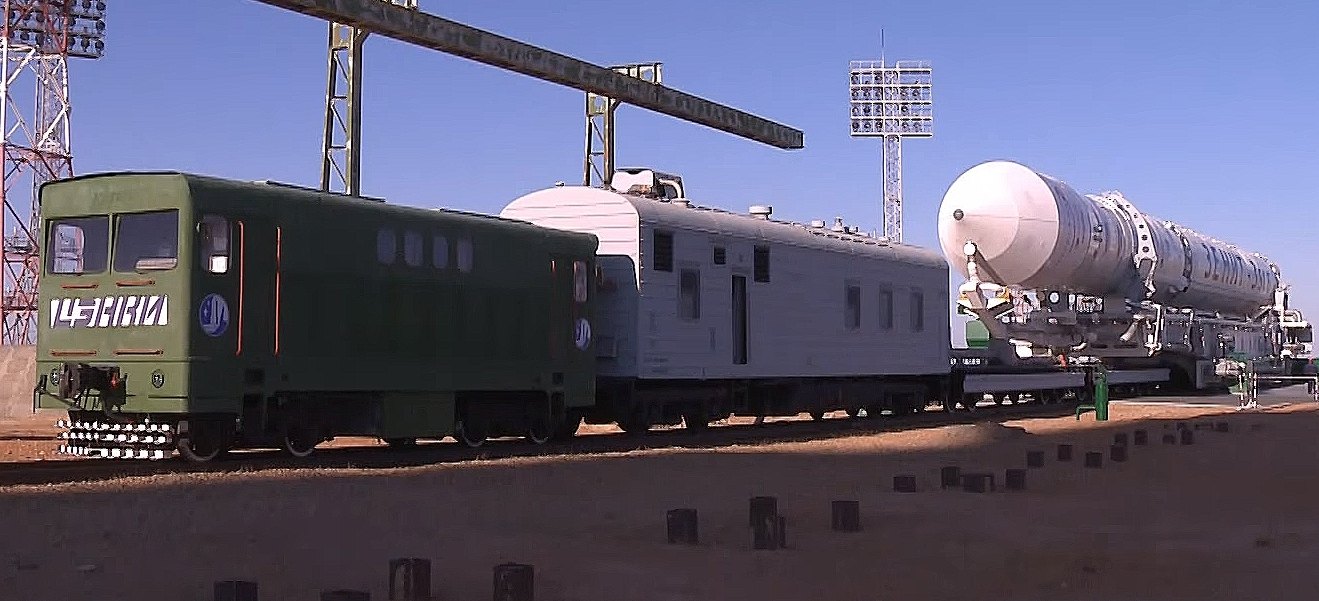
The rate that fell from 205 to 41 belongs to light fragments near 700 to 800 kilometres, which the air still reaches. A nine-tonne cylinder at 840 kilometres is not on that clock, as the orbital clock sets out.
ClearOrbit's view
We should stop quietly counting on the thermosphere. For four years it took hundreds of 2009 collision fragments out of orbit a year and nothing was decided by that; as the cycle declines the same cloud will shed tens a year, and that will read as stability.
The atmosphere is a service with a duty cycle nobody controls, strongest where least needed and absent at 840 kilometres where the mass sits. ESA's 2026 environment report says prevention is no longer sufficient and active removal is required ESA Space Environment Report 2026. ClearOrbit vision: publish every disposal claim with the solar assumption it rests on, and aim the first decade of removal at the derelicts between 700 and 900 kilometres, where no other clock runs.
Reader mail
Have a better idea?Spotted something we got wrong?
We publish in public so the numbers can be checked. If a figure looks wrong, a source is missing, or you know something this piece should have said, send it over. One box, no sign-up.
Send an idea or correctionQuick question
Who should pay for cleaning up orbit?
Anonymous. You will see how others answered after you vote.