Daily briefing · · 3 min read
Orbit on 27 October 2026: two blank mornings in the catalog file were worth three objects
GCAT's current catalog is serving its 83,587 rows again after two mornings of a header and nothing else. The restored file moves the on-orbit count by three, to 33,814.
The catalog file is whole again. GCAT's derived current catalog now carries 83,587 data rows across 14.4 megabytes, under a build stamp of 01:15 UTC on 26 October 2026, after two mornings when the same file held its header and nothing behind it GCAT. What the restored file brought is three objects: 33,814 on orbit against the 33,811 this site repeated on Sunday and Monday, all three of them payloads, with spent stages and debris together unchanged at 14,080. Ten more catalog entries were cut in the same interval, the highest now 101,194.
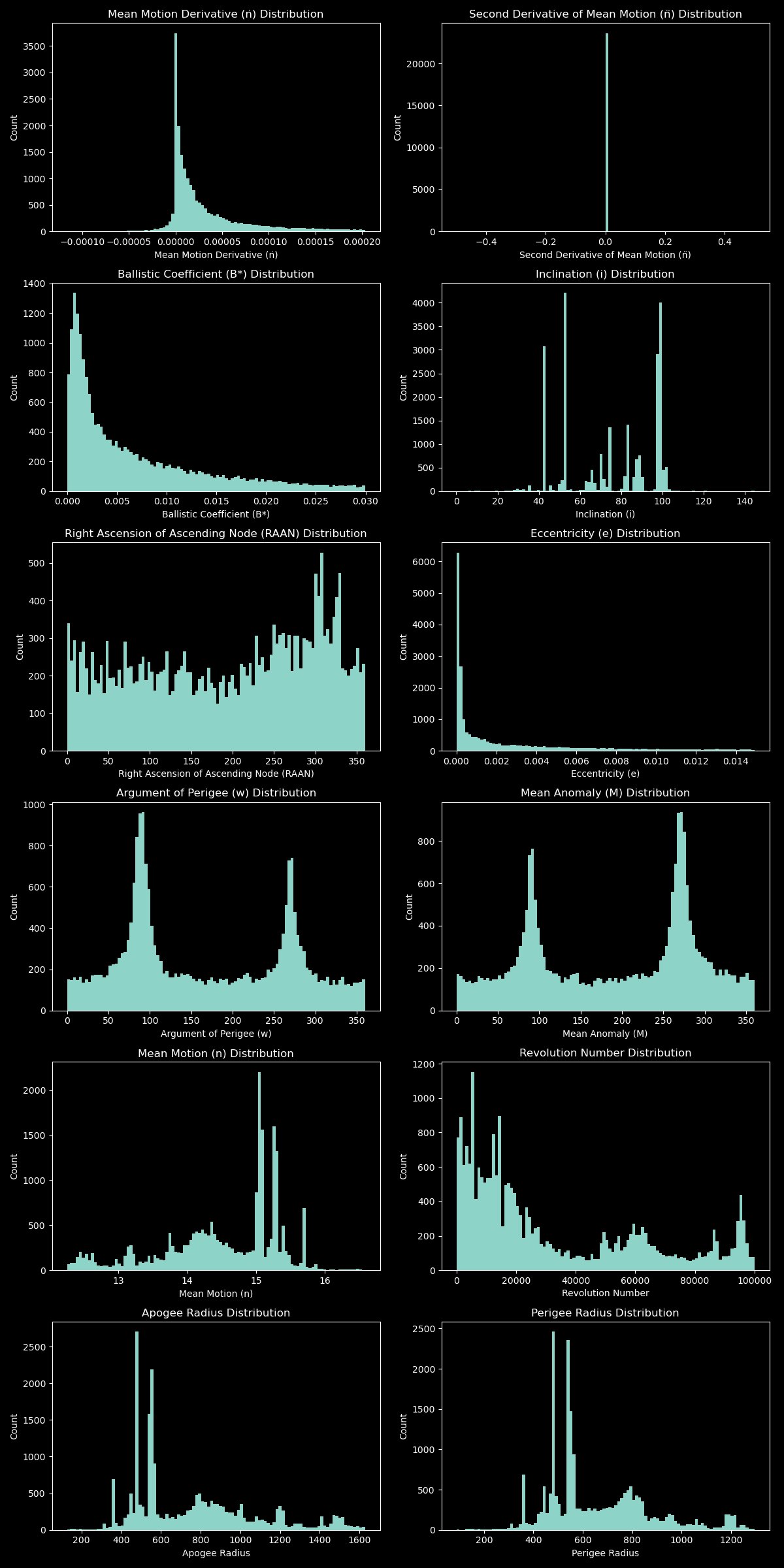
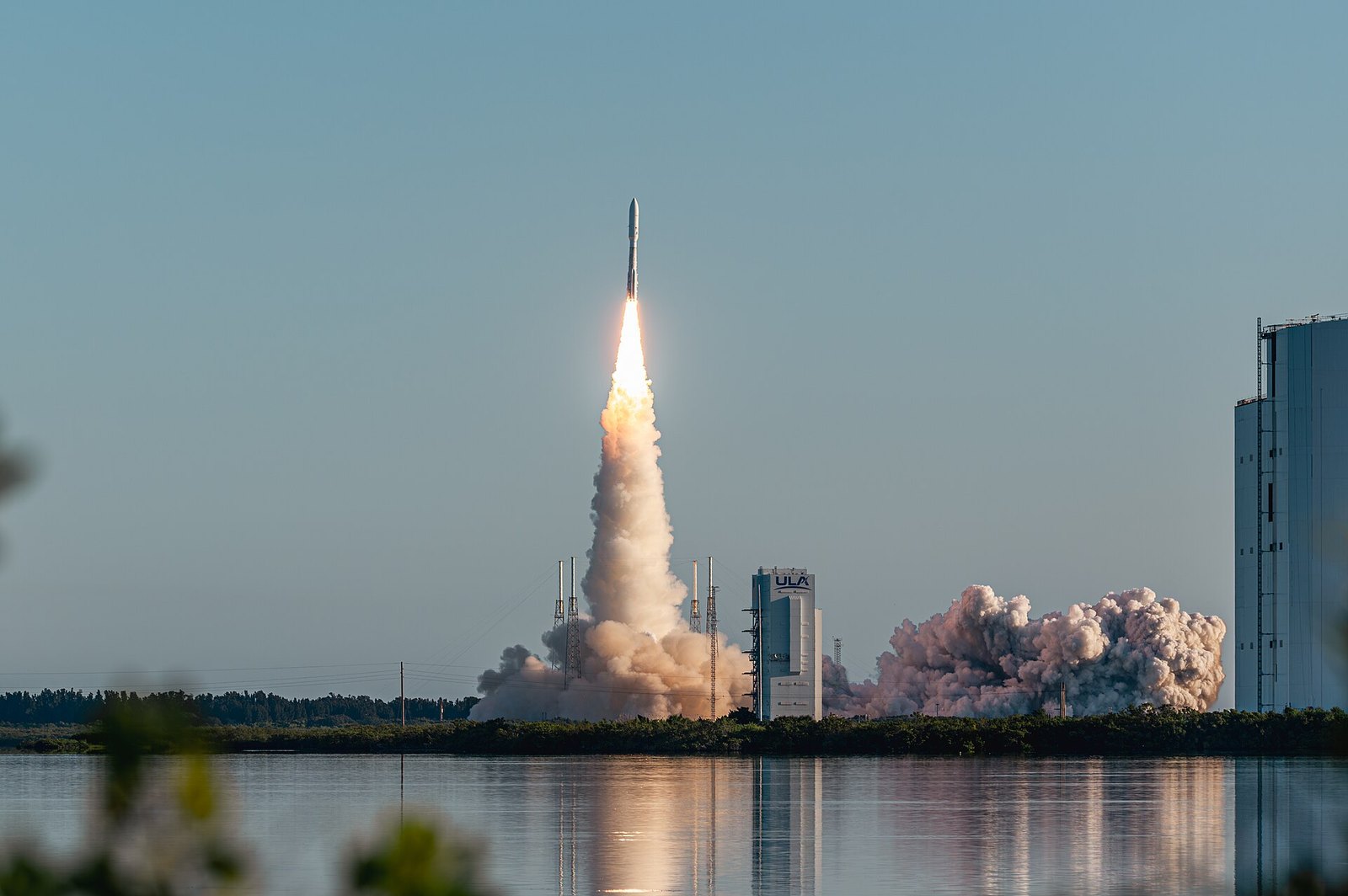
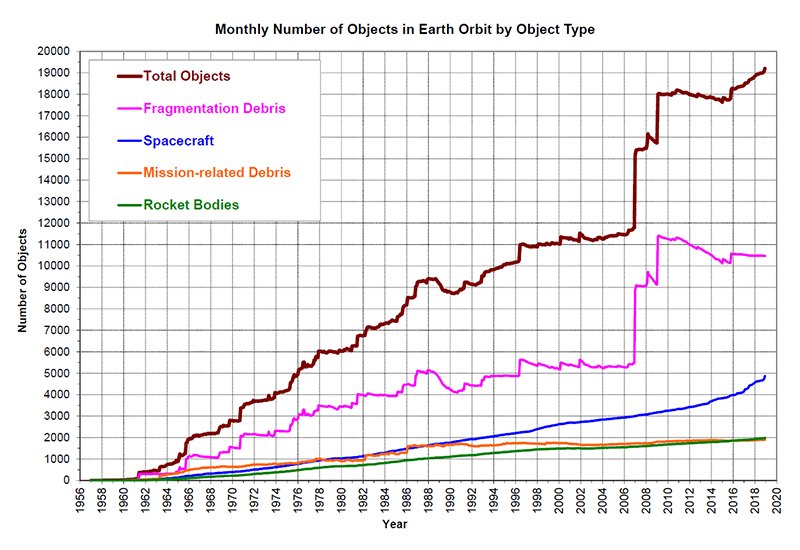
The arithmetic underneath moved more than the headcount did. Reentries over 30 days went from 93 to 97 and over seven days from 11 to 16, the four most recent all Starlinks, on 24 and 25 October GCAT. Launches over the same 30 days fell from 255 to 240; the newest entries are nine WHDW 28-series payloads orbited by China on 25 October. Fifty-four objects now have a perigee below 250 kilometres, led by the Electron 98 second stage at 167 kilometres and the 1973 Soviet satellite Aureole 2 at 188. Low orbit holds 28,387 objects, and the crowding is where it always is: 10,433 between 400 and 500 kilometres, of which 10,248 are working payloads, against 2,757 between 800 and 900, of which 2,494 are debris. ESA's statistics page, updated 23 October, puts 17,440 tonnes and about 47,263 catalogued objects in orbit, after more than 660 break-ups, explosions and collisions ESA Space Environment Statistics.
Close approach of the day
There is none, for the nineteenth day, and the reason is still ours. Our close-approach pages rest on the CelesTrak SOCRATES Plus screening of 8 October 2026. Today's refresh was refused at the connection before a request reached CelesTrak, and the script paused itself rather than retry CelesTrak SOCRATES Plus. Sixty-seven passed encounters remain marked as checking, because settling one needs orbit data from after the event. An empty forward list means no screening, not a quiet sky.
Object of the day: the three objects of 17 August 1996
One H-II launch from Tanegashima that morning put three objects into orbit, and 30 years later all three are still there GCAT. Two of them sit in the McKnight ranking of the derelicts most likely to start a cascade.
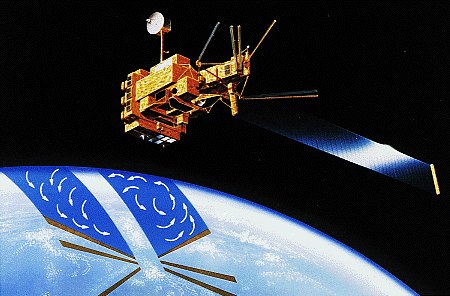
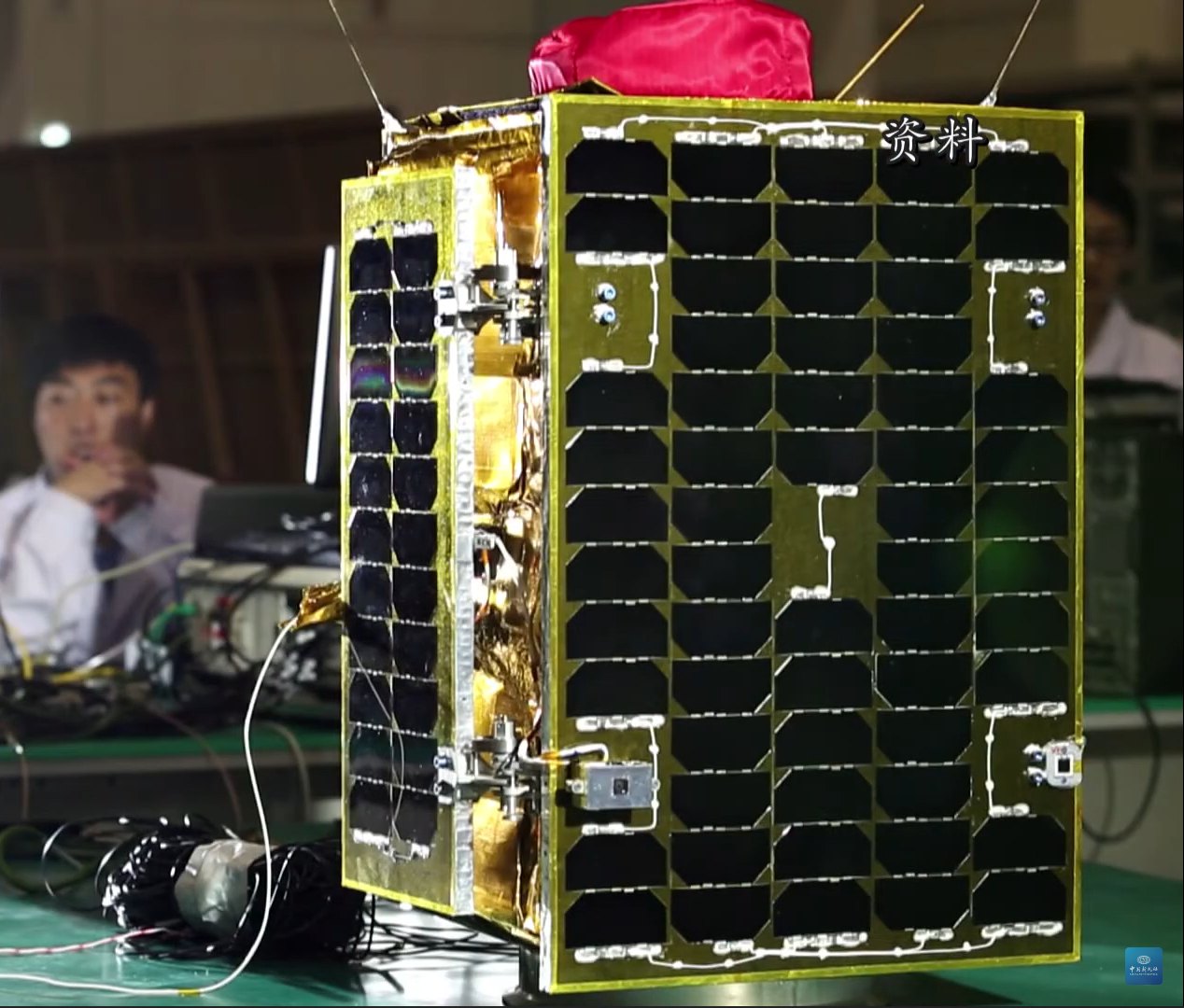
The payload was Midori, catalog number 24277, better known as ADEOS: about 3,560 kilograms at launch, a five-metre box with a 19-metre span, which returned data for roughly ten months before it "suddenly got out of control on June 30, 1997 because of the structural damage in its solar array paddle" JAXA. Its elements of 24 October read 788 by 791 kilometres at 98.78 degrees, a sun-synchronous shell it shares with Envisat, 28 kilometres below. The H-II second stage that delivered it, catalog number 24279, is 11 metres long, four across and 2,700 kilograms empty, and sits in a far worse place: 858 by 1,304 kilometres, a stretched orbit that crosses every shell between those heights twice an orbit. The third object, the amateur radio satellite Fuji-OSCAR-29, is at 799 by 1,321 and is the only one of the three GCAT still marks active.
ClearOrbit's view
A single launch is the honest unit of this problem. Nobody did anything wrong that morning by the standards of 1996, and the result is two multi-tonne derelicts in long-lived orbits, one a satellite that worked for ten months and has been dead for 29 years.
That ratio — ten months of service against three decades of hazard — is what disposal rules exist to break, and why the orbital clock matters more than the launch rate. ClearOrbit vision: count a mission's cost in object-years left behind, publish that number at launch, and aim the first removals at the stranded upper stages, where the mass is largest and nobody's operator is left to argue.
Reader mail
Have a better idea?Spotted something we got wrong?
We publish in public so the numbers can be checked. If a figure looks wrong, a source is missing, or you know something this piece should have said, send it over. One box, no sign-up.
Send an idea or correctionQuick question
Who should pay for cleaning up orbit?
Anonymous. You will see how others answered after you vote.