Daily briefing · · 3 min read
Orbit on 29 October 2026: 273 of the 357 objects below 250 kilometres have month-old orbits
GCAT lists 357 objects with perigees under 250 kilometres. Only 84 were measured in the past month, and the lowest of them all was last seen on 6 August.
What changed
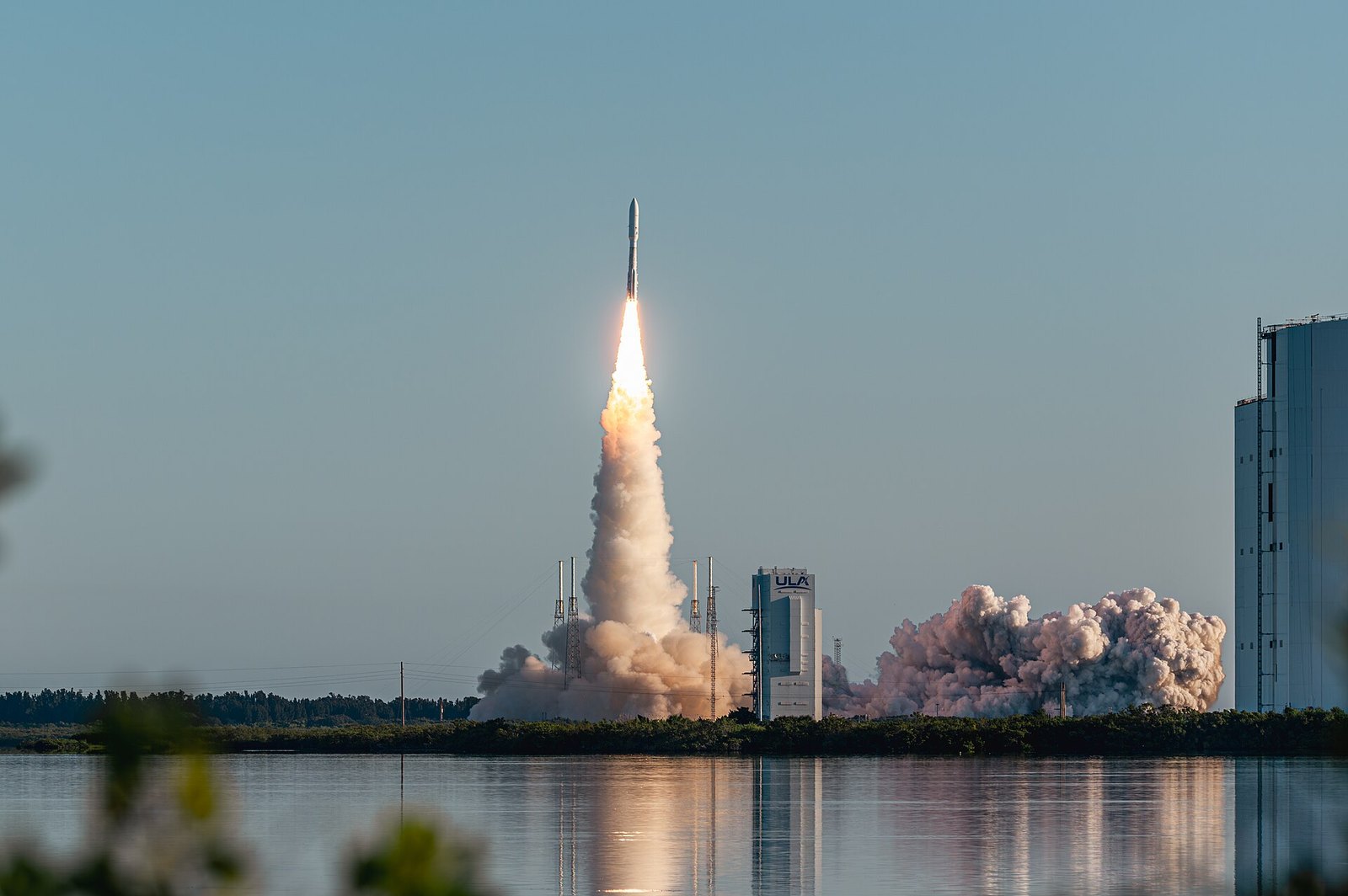
The catalog grew by 28 objects overnight, to 33,842 in orbit: 19,760 payloads and 14,082 rocket bodies and debris fragments. Twenty-seven newly catalogued Starlinks from a 27 October launch account for essentially the whole move, and over the last thirty days 245 objects were added by launch while 92 came down, 15 of them this week (GCAT).
The shells are unchanged: the 400-to-500-kilometre band holds 10,463 objects, 10,278 of them working payloads and 9,492 of them Starlinks, while the 800-to-900-kilometre band holds 2,753, of which 2,498 are debris (GCAT). ESA's catalogue tracks about 47,300 objects, and its model puts 68,450 larger than ten centimetres (ESA DISCOS, 23 October 2026).
The real finding today is in the element epochs. GCAT lists 357 objects in Earth orbit with a perigee below 250 kilometres and an apogee below 2,000 kilometres — the altitudes where drag decides everything — and only 84 carry an orbit measured in the last thirty days. For the other 273 the median element set is 63 days old (GCAT). The decay queue on our orbit page shows the 84, because a two-month-old orbit at 200 kilometres is not a position; it is a memory.
Close approach of the day
There is no close approach of the day from current data, for the fourteenth morning. The screening behind our close-approach pages is still the CelesTrak SOCRATES Plus run of 8 October 2026; today's refresh again could not reach CelesTrak and the tool paused its own requests, which is correct under CelesTrak's usage policy. That run found 174,512 conjunction pairs, 7,834 inside one kilometre and 111 inside 100 metres (CelesTrak SOCRATES Plus). Those numbers are 21 days old and should be read as a record of that morning, nothing more. Sixty-seven earlier predictions remain queued for outcome follow-up and none can be closed until the screening is live again.
The object of the day: an orbit last measured on 6 August
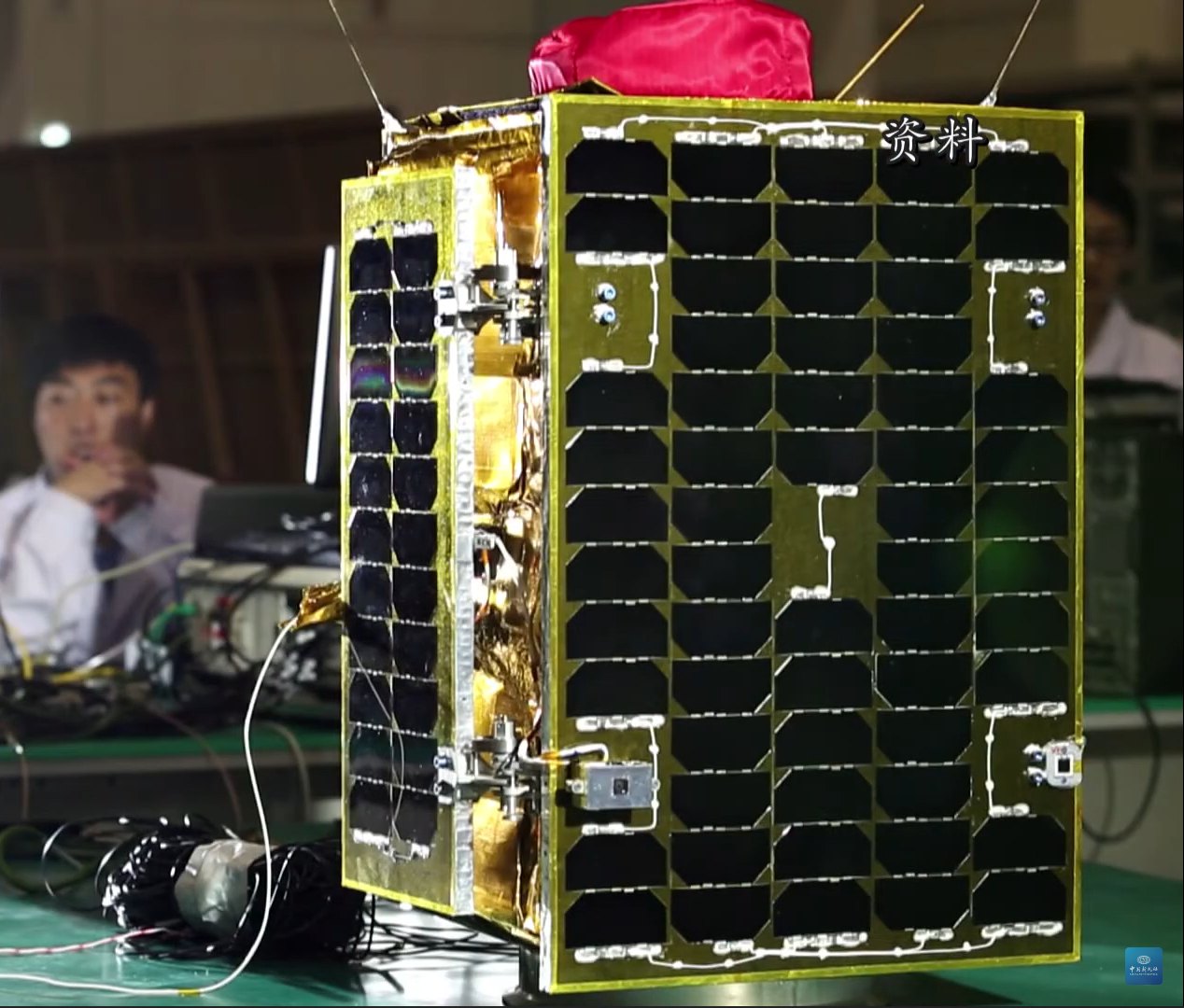
The lowest perigee in GCAT's on-orbit list is not Aureole 2, yesterday's 146-kilometre Soviet derelict, whose elements have not been refreshed in two days. It is Xingshidai 21, a Chinese Earth-observation smallsat in a 134-by-154-kilometre orbit, with an epoch of 6 August 2026 — 84 days ago (GCAT).
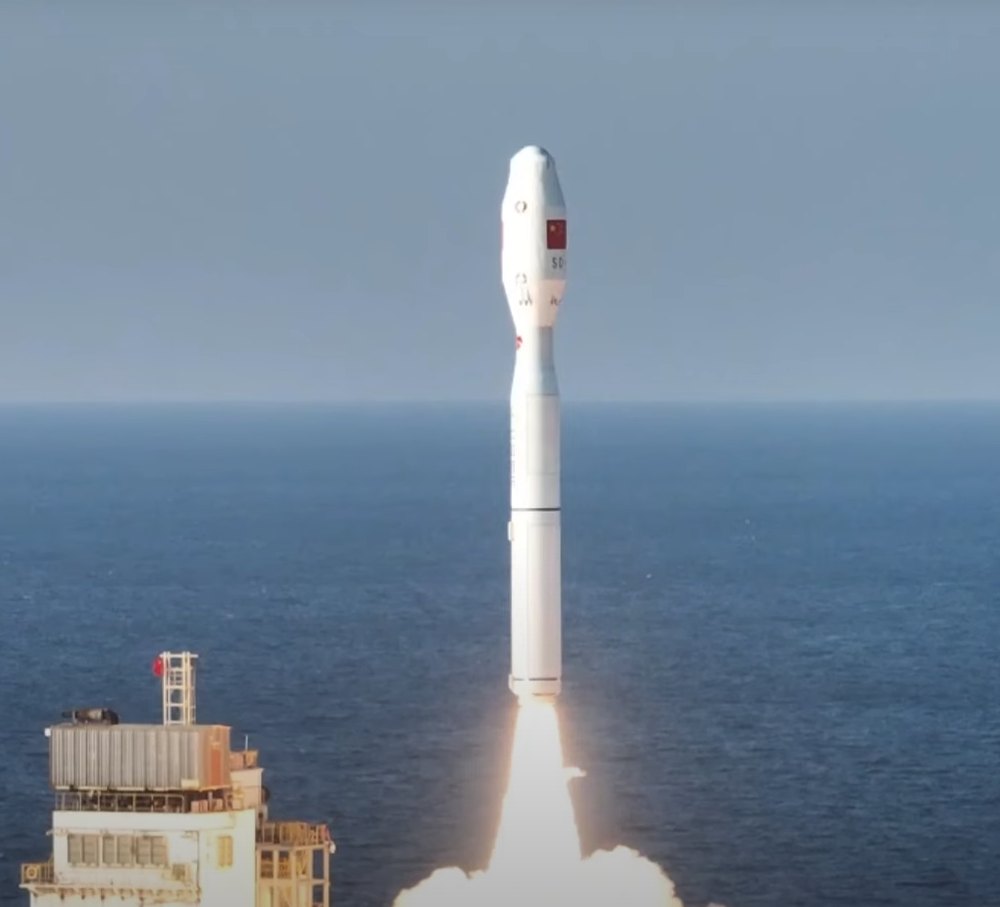
It went up as 2024-173F on 24 September 2024, one of eight payloads on a Jielong-3 flying from a sea platform in the Yellow Sea (launch record). Two years later it still has no US catalog number: GCAT marks it NNA, meaning the object should be in the SATCAT and is not, or cannot be matched to an entry that is (GCAT column definitions).
Nothing at 134 kilometres survives 84 days, so the honest reading is that the record is unresolved rather than that the satellite is still flying: no decay has been booked and no one has remeasured the orbit, and confirming a decay needs exactly the tracking an unnumbered object does not get. It is not alone. A CZ-3B third stage carries a listed perigee of 82 kilometres on elements from February 2025, and an Electron second stage sits at 138 kilometres on elements from April 2025 (GCAT). Entries like these quietly inflate every count of what is up there, and they cluster among the unowned objects on our derelict watch.
ClearOrbit's view
A catalog makes two claims: that an object exists, and that it is where the file says. The second decays far faster than the first, and at these altitudes it decays in days. We think the fix is unglamorous and overdue: publish the age of every element set beside the element set, and treat an object below 250 kilometres with a two-month-old orbit as a gap in the record rather than a line in the inventory.
That matters for removal because a removal mission is bought against a target list. Any serious programme will find that some of the lowest, cheapest-looking targets are objects nobody can currently locate, and that the unnumbered ones are hardest of all to confirm. Fixing the ledger will not take anything out of orbit. It is the first thing that has to be true before anyone can.
Reader mail
Have a better idea?Spotted something we got wrong?
We publish in public so the numbers can be checked. If a figure looks wrong, a source is missing, or you know something this piece should have said, send it over. One box, no sign-up.
Send an idea or correctionQuick question
Who should pay for cleaning up orbit?
Anonymous. You will see how others answered after you vote.