Daily briefing · · 3 min read
Orbit on 30 October 2026: four fragments are left of the 2021 anti-satellite test
GCAT lists 1,810 catalogued Kosmos-1408 fragments. 1,800 have reentered and four are still up, and nobody has measured the highest of the four since March 2024.
What changed
Three payloads joined the catalog overnight and nothing came down. The on-orbit count stands at 33,845 — 19,763 payloads and 14,082 rocket bodies and debris fragments, against 33,842 yesterday — and the all-time reentry ledger is unchanged at 37,505, so no decay was booked at all (GCAT). Over thirty days the balance is 248 objects added by launch against 89 that came down, 14 of them this week.
The shells are where they were: 10,473 objects in the 400-to-500-kilometre band, 10,288 of them payloads, and 2,754 in the 800-to-900-kilometre band, 2,501 of them debris (GCAT). Eighty-three objects carry a perigee below 250 kilometres on an orbit measured this month, the lowest still Aureole 2 at 146 by 159 kilometres. ESA's model puts 68,450 objects larger than ten centimetres in orbit (ESA DISCOS, 23 October 2026).
Close approach of the day
There is no close approach of the day from current data, for the fifteenth morning, and today the reason changed. The screening behind our close-approach pages is still the CelesTrak SOCRATES Plus run of 8 October 2026 — 174,512 pairs, 7,834 inside a kilometre, 111 inside 100 metres — numbers 22 days old, a record of that morning and nothing more. The pipeline has now moved to USSPACECOM's public conjunction data on Space-Track.org, which ran today and produced a fresh screening. None of it is on the site: we are waiting for written confirmation that redistributing events derived from that feed is permitted. A fortnight of staleness is the cheaper mistake.
The outcome ledger did move. All 67 encounters queued since the screening went stale were closed today, every one as unknown: our only post-encounter orbit data for each falls more than three days after the predicted approach, too late to judge a miss distance. Those are our failures to record, not quiet escapes.
The object of the day: 1982-092SW, at 211 kilometres
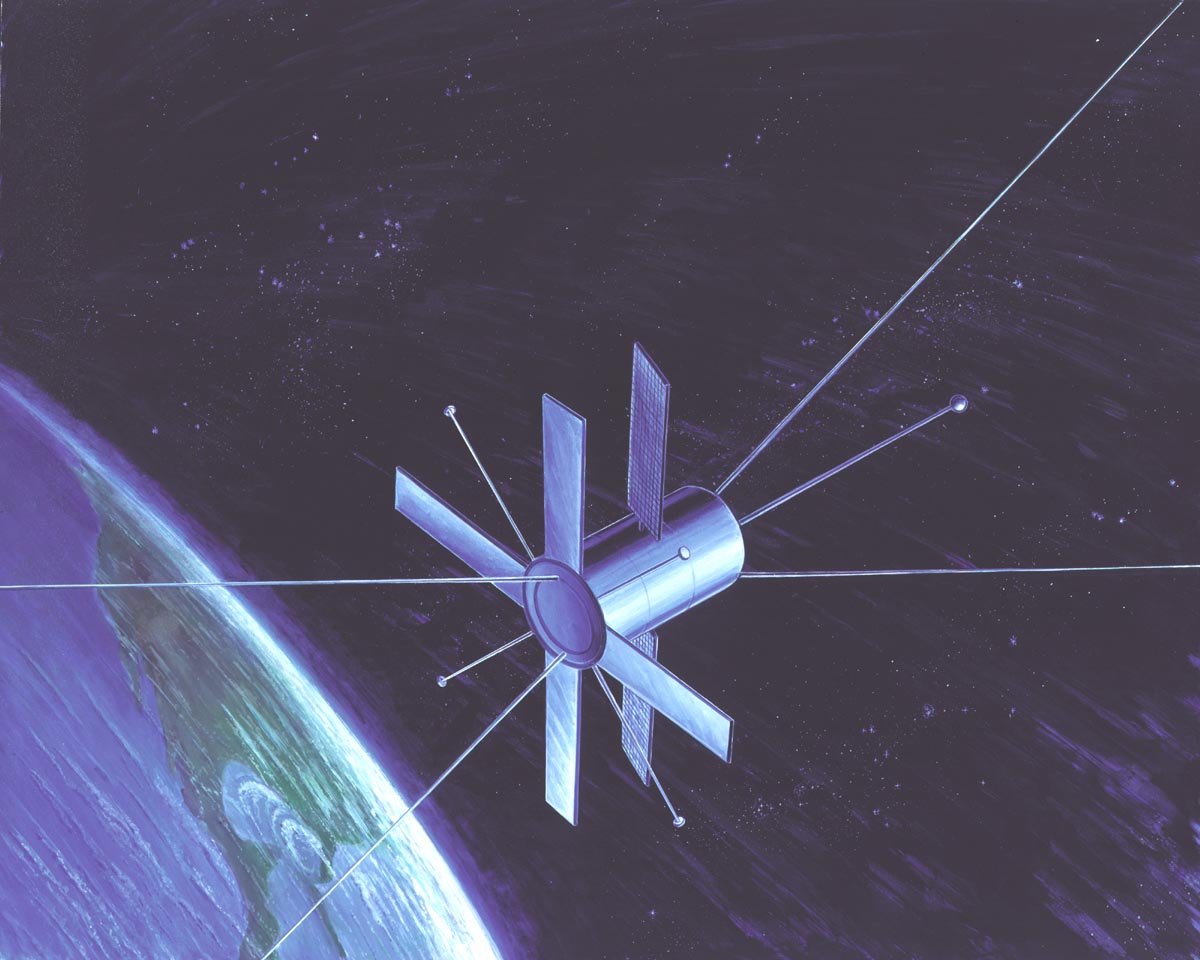
On 15 November 2021 a Russian interceptor destroyed Kosmos-1408, a Soviet signals-intelligence satellite launched on 16 September 1982, in an orbit decayed to 490 by 465 kilometres. Flight controllers had the station crew shelter in their spacecraft for two passes (NASA, 15 November 2021), and NASA expected more than ninety per cent of the fragments to reenter within five years (NASA ODQN 26-1).
Five years less a fortnight later, GCAT lists 1,810 catalogued fragments: 1,800 reentered, six marked lost, four still in Earth orbit (GCAT). The lowest is 1982-092SW at 211 by 220 kilometres on elements from 28 October, with weeks left in it; above it sit fragments at 316 by 336 and 409 by 431 kilometres. The fourth, 1982-092CCG, reaches 697 kilometres on an orbit epoch of 3 March 2024 — 971 days old, on the one survivor that is not coming down soon (GCAT). The target outlasted most of its own cloud: the main surviving piece of Kosmos-1408 was booked as reentered on 27 October 2024.
The forecast was right, and it was right because of where the test happened, not any restraint in how it was done. What four anti-satellite tests left in orbit sets today's count beside the 2007 test at 860 kilometres, which still has 2,121 fragments up; the survivors also sit on our derelict watch.
ClearOrbit's view
Kosmos-1408 is the one ASAT cloud the atmosphere has nearly finished clearing, and it is worth saying why. The target was already down at 480 kilometres, where drag does in four years what it cannot do in a century two hundred kilometres higher. Nothing was cleaned up; the debris was put somewhere that cleans itself.
That is the argument for removal in one object. Drag is the only debris removal system that has ever worked at scale, it only works low, and the shells that matter most are the ones it cannot reach. We think the 453-by-697-kilometre fragment deserves more attention than the one at 211: drag will take longest to collect it, and nobody has measured it in two and a half years. Objects we stop measuring quietly leave the target list, and a target list is what a removal programme is bought against.
Reader mail
Have a better idea?Spotted something we got wrong?
We publish in public so the numbers can be checked. If a figure looks wrong, a source is missing, or you know something this piece should have said, send it over. One box, no sign-up.
Send an idea or correctionQuick question
Who should pay for cleaning up orbit?
Anonymous. You will see how others answered after you vote.