Daily briefing · · 3 min read
Orbit on 25 September 2026: nineteen decays booked in a week, after a column that had read zero
33,646 objects on orbit, a net gain of three. Underneath it, payloads fell by 13, spent hardware rose by 16, and the reentry ledger finally caught up.

Today's catalog refresh counts 33,646 objects in Earth orbit: 19,556 payloads and 14,090 rocket bodies, fragments and discarded components (GCAT). Against yesterday that is a net gain of three. The net is the least informative number on the page.
What changed
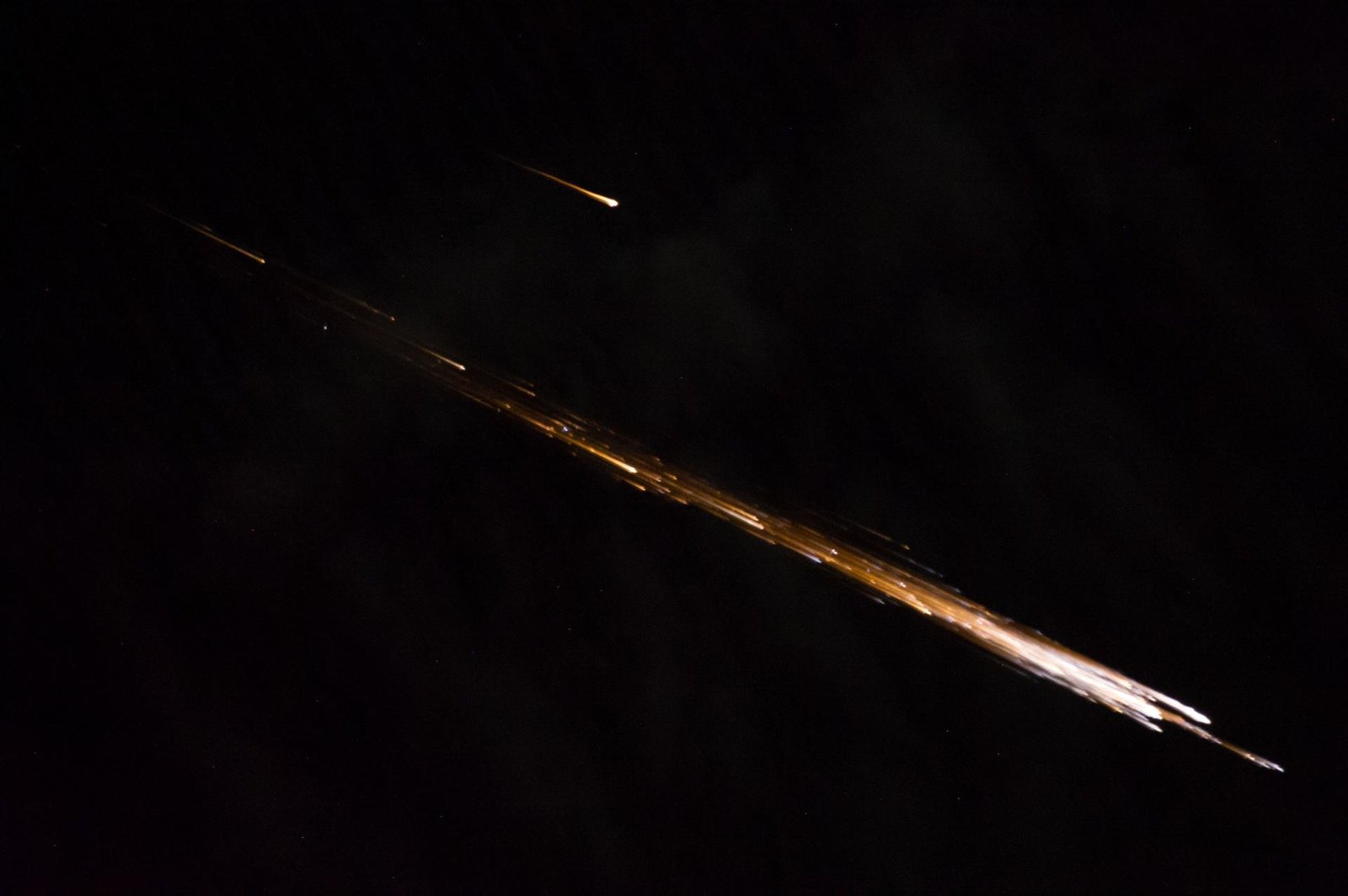
The reentry column moved, a long way. On Wednesday the most recent decay on file was 14 September and the seven-day reentry count read zero. Today the latest decay is dated 23 September, 19 objects are booked as re-entered in the last seven days, and the 30-day count has risen from 56 to 87 (GCAT). Nothing unusual happened overnight: the bookkeeping caught up with what the atmosphere had already finished, closing a nine-day gap to two.
Composition is the other half. Payloads fell by 13 while spent stages, fragments and discarded components rose by 16 — a net of plus three that conceals a real shift in what is up there. The all-time total gained 40 to 70,173 and the highest catalog number issued stands at 100,828; the 30-day launch window reads 232 new objects, down from 248 (GCAT).
The queue is shorter too: 141 catalogued objects now have perigees below 250 kilometres, against 197 on Wednesday, and 179 objects have re-entered across 60 days, 49 of them Starlink spacecraft (GCAT).
Object of the day: the twin that went first
Among those 19 decays is SNAP-3 ALICE, catalog number 40970, which came down on 19 September after ten years and eleven months in orbit (GCAT). It did not go up alone: it was one of three identical spacecraft — ALICE, EDDIE and JIMI — launched together on an Atlas 5 from Vandenberg on 8 October 2015: 3U CubeSats of roughly 5 kg, built for the US Army Space and Missile Defense Command to test software-defined radios for beyond-line-of-sight communication (Gunter's Space Page).
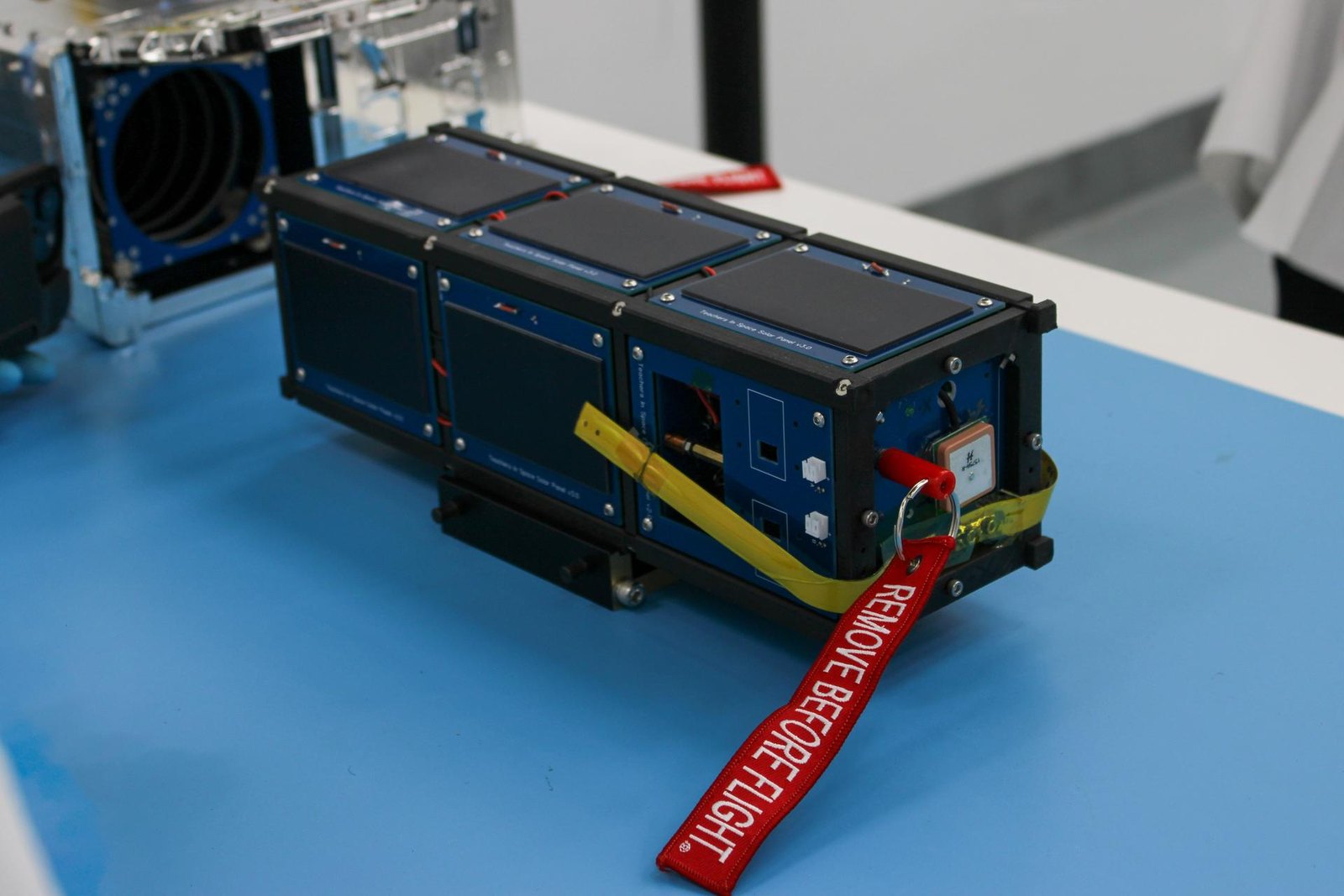
SNAP-3 EDDIE, catalog number 40972, is still up. Its 16 September elements put it at 164 by 183 kilometres, fifth-lowest in the catalog and weeks from following its twin down (GCAT). Same launch, same bus, same mass, same orbit — and a separation of weeks after eleven years.
That divergence is a warning about prediction. Decay rate depends on ballistic coefficient — mass divided by the area presented to the air — and for a passive 3U CubeSat that area depends on how it happens to be tumbling. Density at these altitudes also swings with solar activity, which is why NASA offers only the coarse rule that objects below 600 km come down within a few years (NASA ODPO). Two identical boxes on one orbit can share a forecast and still arrive a month apart.
Below the catalog
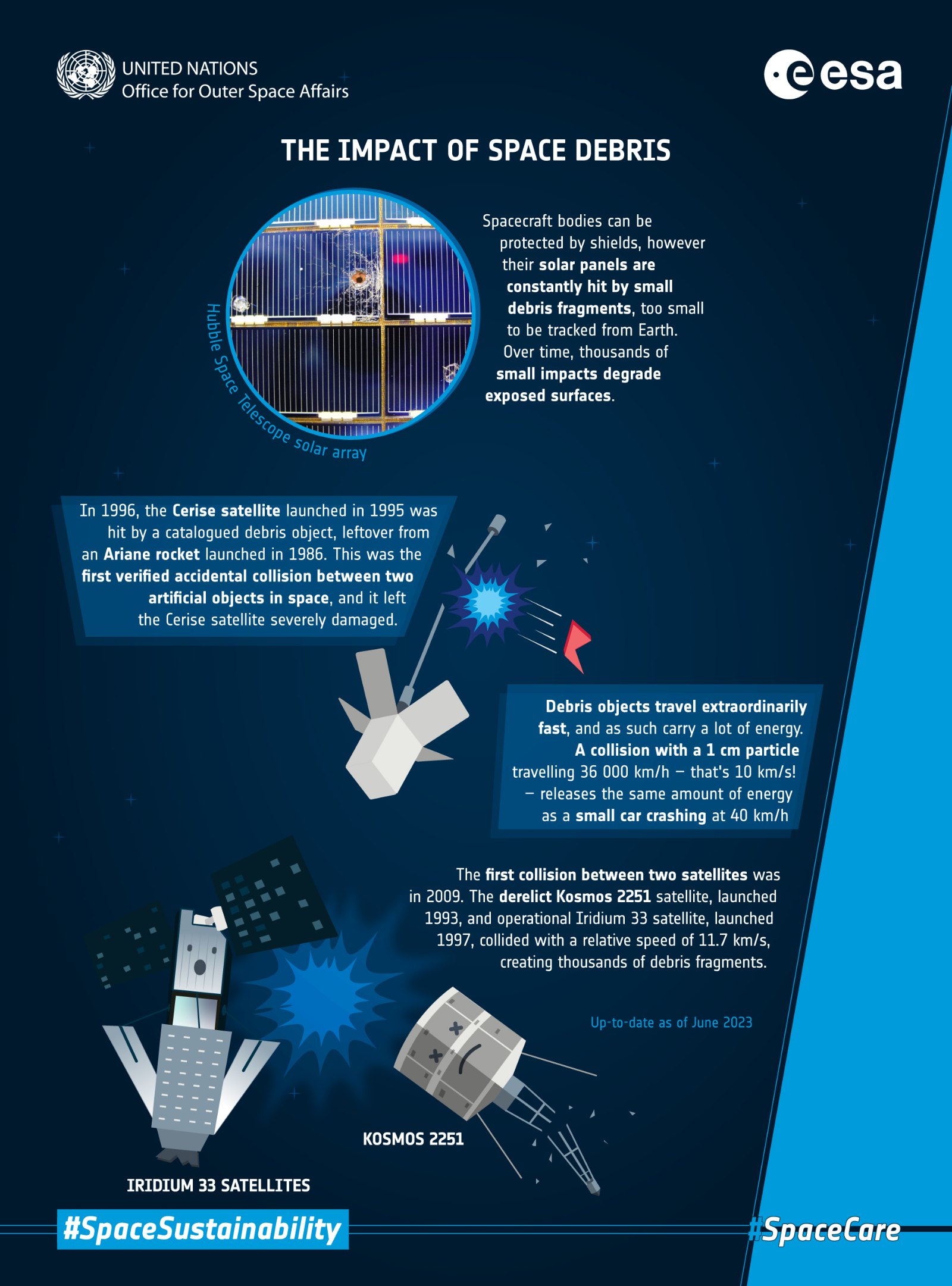
ESA's MASTER-8 model (reference population February 2026) estimates 68,450 objects larger than 10 cm and about 1.5 million between 1 and 10 cm, against more than 17,000 tonnes in orbit (ESA DISCOS).
ClearOrbit's view
SNAP-3 ALICE is what success looks like when nobody has to do anything: five kilograms, launched low, passive throughout, gone inside eleven years at no cost to anyone. Most of this week's 19 decays are of that kind — the atmosphere doing free disposal on the objects it can reach.
The catalog's shape is the problem. Today payloads fell and spent hardware rose, and the hardware that accumulates sits where the air does not reach — 2,497 of the 2,769 objects in the 800 to 900 kilometre shell are debris or derelict stages (GCAT). No bookkeeping catch-up touches those. They are the removal problem, and the reason the orbital clock is the only number that matters when choosing an altitude.
We would also like the industry to stop treating reentry as a cost-free answer (ClearOrbit vision). It is usually the right answer, and designing hardware to come down on its own remains the cheapest intervention. But 179 objects in 60 days is a material flow, not a disappearance, and it flows into the upper atmosphere — which is the other end of the problem, and much less measured than the orbit it solves.
Reader mail
Have a better idea?Spotted something we got wrong?
We publish in public so the numbers can be checked. If a figure looks wrong, a source is missing, or you know something this piece should have said, send it over. One box, no sign-up.
Send an idea or correctionQuick question
Who should pay for cleaning up orbit?
Anonymous. You will see how others answered after you vote.