Daily briefing · · 3 min read
Orbit on 27 September 2026: the lowest object in the catalog also reaches 1,823 kilometres
The catalog has not moved since its 24 September stamp. The movement is in the element sets, where a ten-day-old Chinese third stage now holds the lowest perigee on file at 133 kilometres.
Today's refresh counts 33,646 objects in Earth orbit: 19,556 payloads and 14,090 rocket bodies, fragments and discarded components (GCAT). None has moved in a day, and the catalog file still carries its own update stamp of 24 September, so these are Thursday's totals. The sliding windows keep shrinking as the ledger holds still: 203 new objects in 30 days against 205 yesterday, 82 reentries in 30 days against 83, ten in seven days against eleven (GCAT).
What changed: a queue that shortened without anything falling
The motion is in the element sets, which refresh on their own schedule. The list of catalogued objects with a perigee below 250 kilometres has fallen from 141 to 114 (GCAT). That is not 27 reentries; only ten are recorded in the past week. It is what happens when stale element sets are replaced and objects that looked like they were skimming turn out to sit higher. What survived is a shorter death row, and its bottom entry is new.

Object of the day: KZ-11 Y3 Stage 3, 133 by 1,823 kilometres
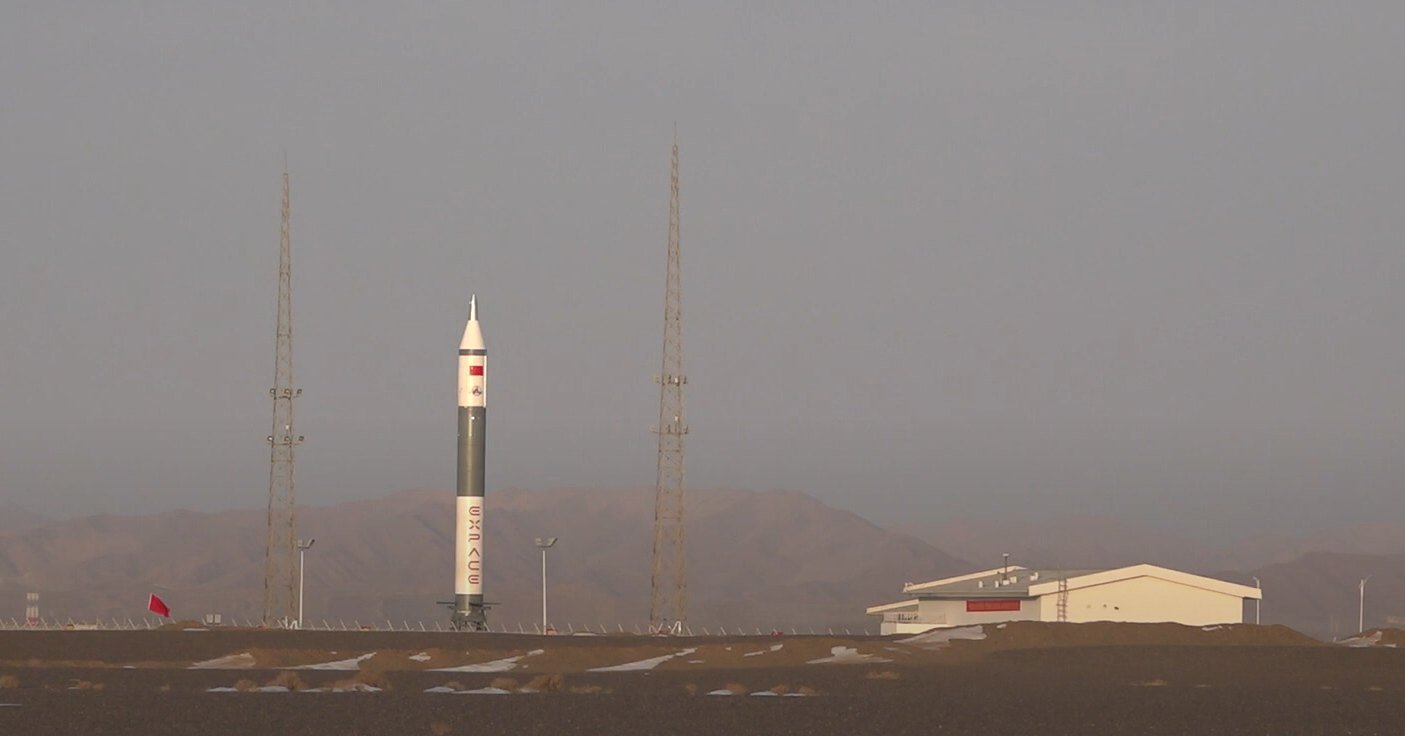
Catalog number 100743 is the third stage of a Kuaizhou-11, launched by ExPace on 17 September 2026 and listed at about 1,000 kilograms, an estimate flagged as such, in a cylinder 2.5 metres long. Its elements from the day of launch put it at 133 by 1,823 kilometres, inclined 55.02 degrees (GCAT). No catalogued object has a lower perigee.
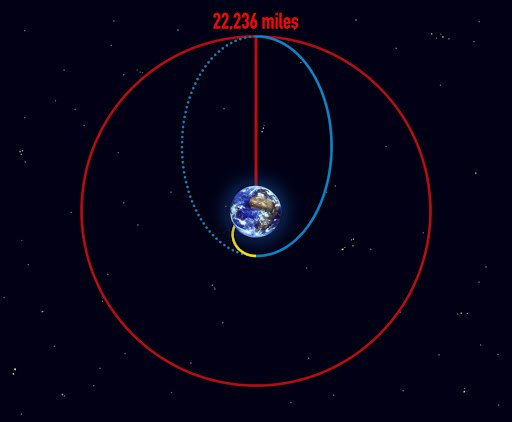
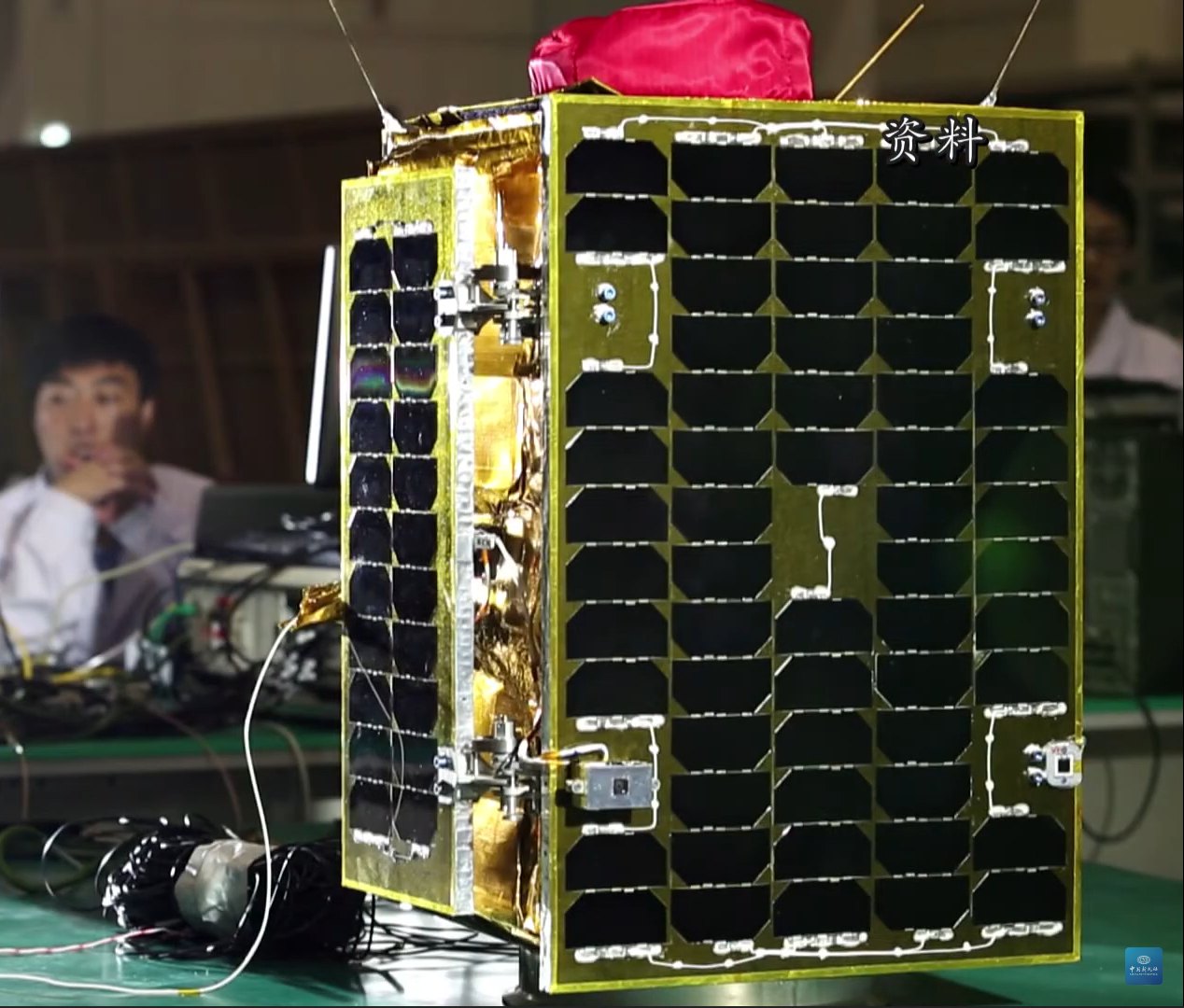
Its two payloads, Caiyun SAR01 and Xinglianti Tianyuan YG01 at 500 kilograms each, sit in a near-circular orbit near 500 kilometres at the same inclination (GCAT). The stage took a far more lopsided path: nearly four times higher at apogee, and more than 350 kilometres lower at perigee. Most of each lap is high and quiet; a few minutes are in air thick enough to matter.
The same stage, four different clocks
ExPace has left this stage in orbit repeatedly, so the catalog holds a near-controlled experiment. Y8, dropped at 139 by 1,366 kilometres in December 2025, re-entered 12 days later. Y13, at 185 by 889 kilometres in June 2026, took 59 days. Y2, at 279 by 808 kilometres in December 2022, took 887 days. Y7, at 284 by 1,059 kilometres, is still on orbit after 195 days (GCAT).
Same hardware, same mass, a spread from twelve days to years. Apogee barely enters into it: Y8 flew 550 kilometres higher at apogee than Y2 and died seventy times faster. Perigee is the clock — the mechanism the orbital clock sets out.
What it crosses on the way down
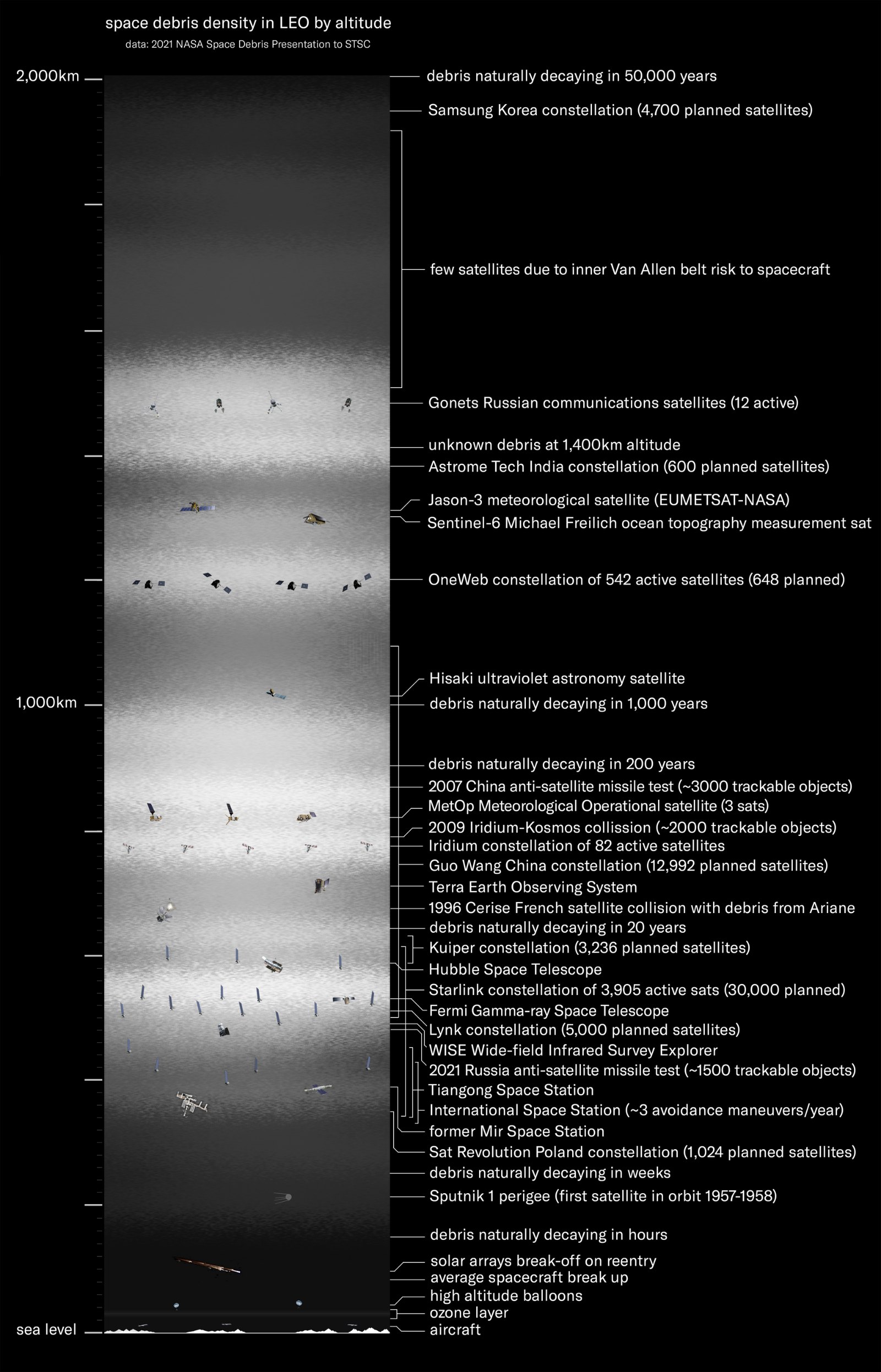
An eccentric object on its way out is not only a reentry; it is traffic. Climbing from 133 kilometres to 1,823 and back twice an orbit, Y3 crosses the 400 to 500 kilometre band, which holds 10,197 objects, and the 800 to 900 band, where 2,497 of 2,769 are debris or spent hardware (GCAT). It has company: Electron 96 Stage 2 at 173 by 559 kilometres, and Zhuque-2E Y5 Stage 2, five tonnes, now at 197 by 602 (GCAT).
ClearOrbit's view
The Kuaizhou stages are the cheapest good news in the catalog, and nobody paid for it: the ones left with a low perigee cleared themselves in weeks, because a launch profile put them where the atmosphere could finish the job. NASA returns anything below 600 kilometres within several years and needs a thousand for anything above 1,000 kilometres (NASA ODPO). That is a design decision wearing the costume of physics.
So the first ask is the dull one, and it costs a burn rather than a mission (ClearOrbit vision): every upper stage should be left with a perigee low enough to come down on its own, as end-of-life disposal is already expected of satellites.
For the stages nobody left that way, and for the 2,497 pieces in the 800 to 900 kilometre shell — part of the 68,450 objects larger than 10 centimetres in ESA's MASTER-8 model (ESA DISCOS) — the answer has to be built. We think the honest order is to stop adding to the high shells, require something a future spacecraft can grip on anything that will outlive its mission, and treat the eccentric leftovers as the near-term test cases they are.
Reader mail
Have a better idea?Spotted something we got wrong?
We publish in public so the numbers can be checked. If a figure looks wrong, a source is missing, or you know something this piece should have said, send it over. One box, no sign-up.
Send an idea or correctionQuick question
Who should pay for cleaning up orbit?
Anonymous. You will see how others answered after you vote.